Stop Treating All Brake Pads the Same
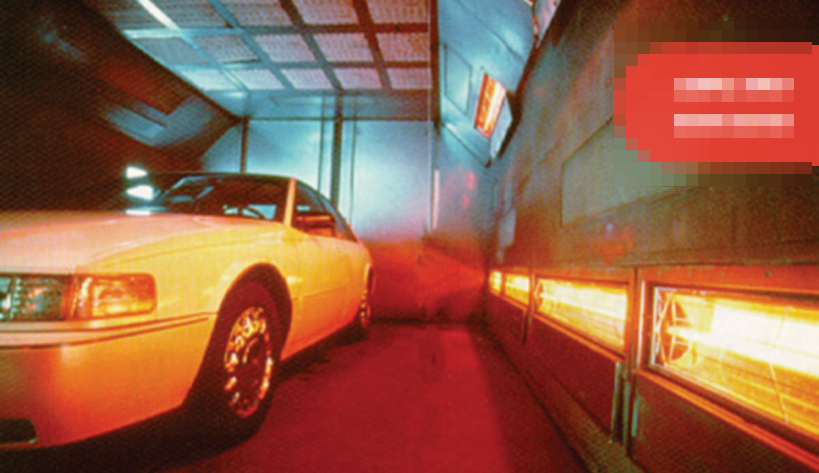
Here’s the problem: most people run their coating ovens as if ceramic and semi-metallic pads are basically the same thing. They aren’t. If you treat them the same, your oven is going to fail. Why? Because these materials absorb heat differently. If your IR emitters aren’t dialed in for the specific density of the pad, you’re going to end up with a mess—either the surface scorches or the curing is totally uneven.
The Trick to Material Absorption
Ceramic pads tend to bounce energy back, while semi-metallic blends soak it up. To fix this, we tune the emitter wavelength. For those thick semi-metallic pads, we use short-wave IR. It punches deeper into the material so the core actually gets hot. With ceramics, we shift the spectrum to hit the material’s specific absorption peaks. It’s the only way to keep the surface from burning while the underside is still wet.
Picking Your Emitters
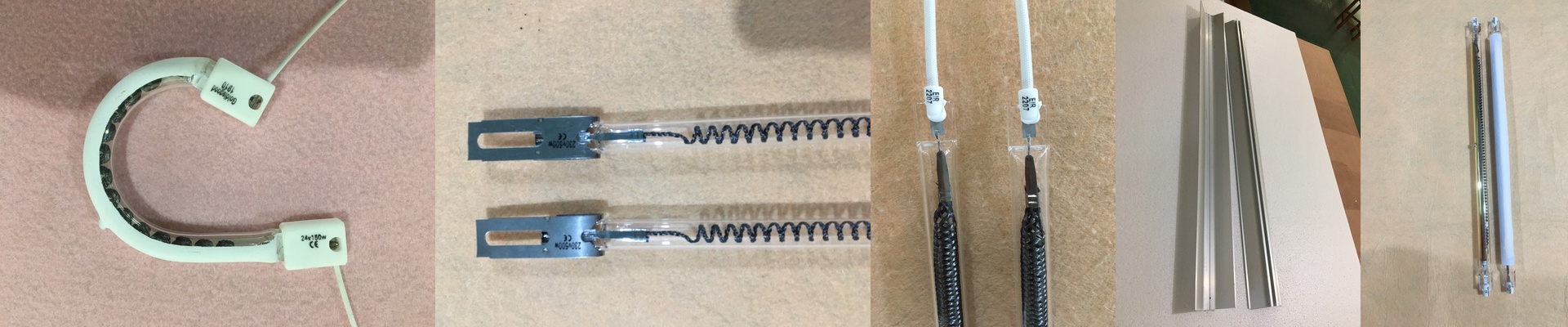
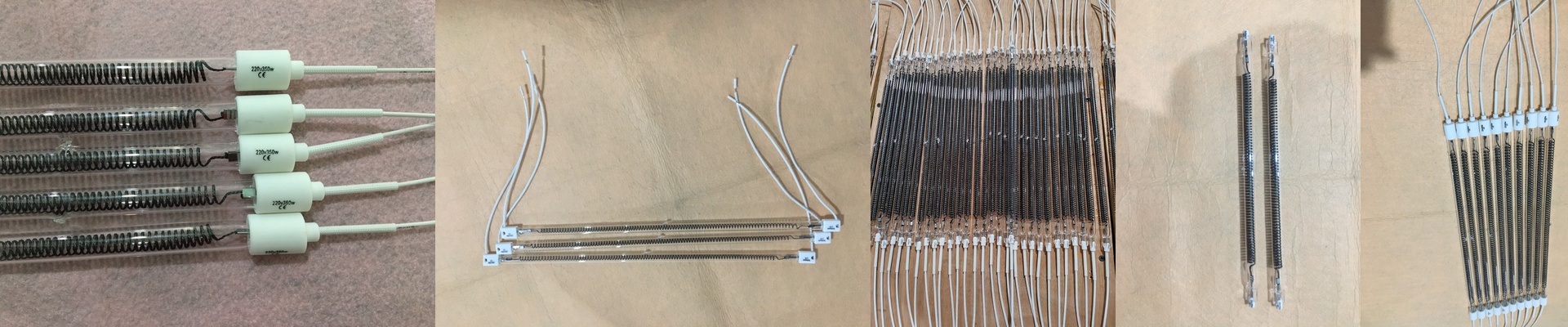
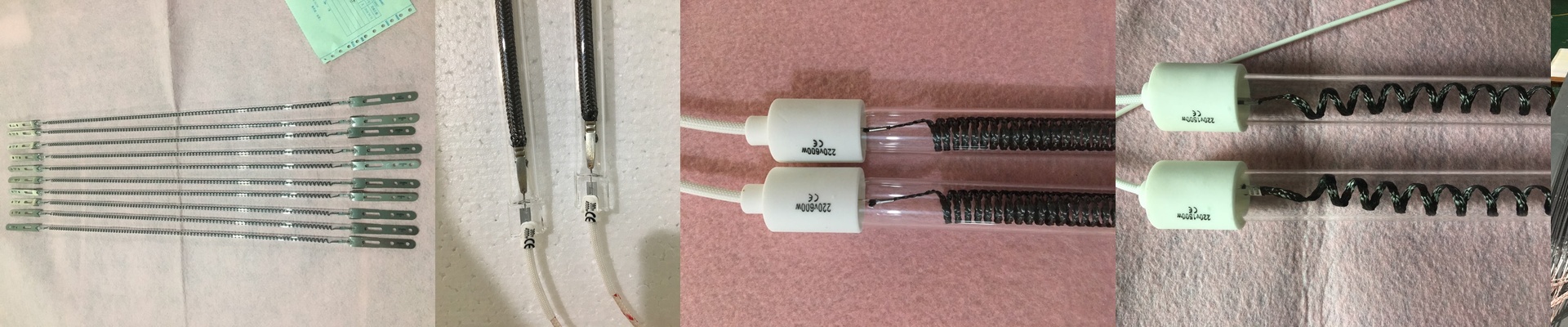
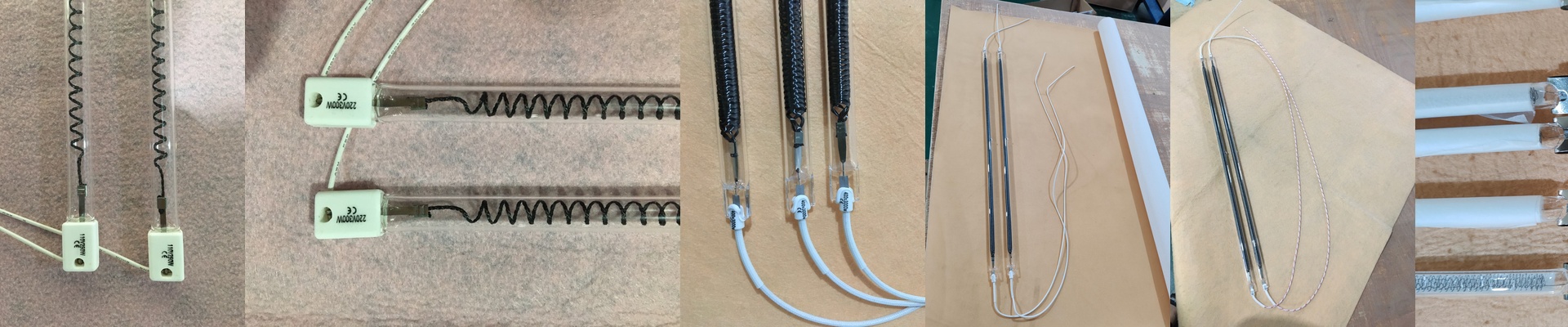
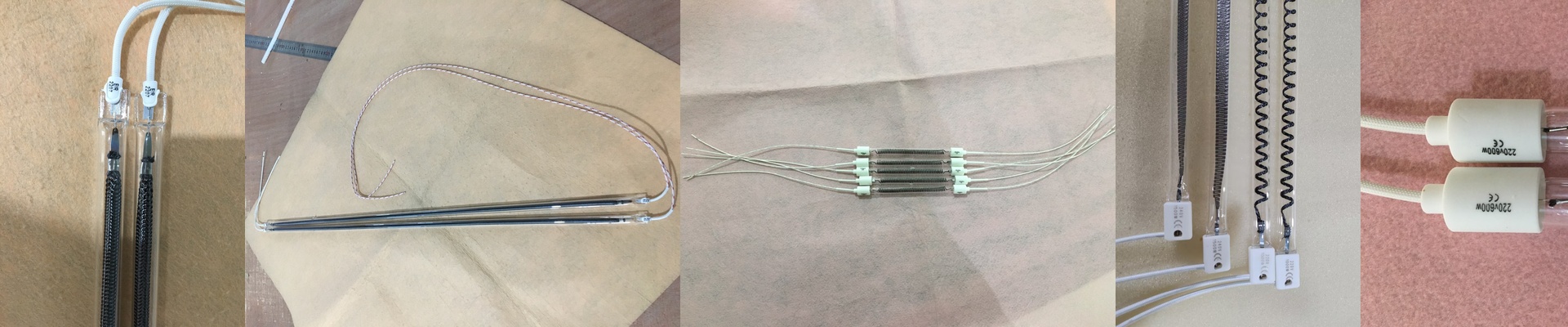
We stick with quartz halogen tubes. They hit their target temperature fast, which is exactly what you want. When we’re designing a system, we look closely at the wattage density per millimeter. High-wattage tubes give you the power you need to keep the line moving quickly. But there’s a catch. That kind of power puts a lot of stress on your wiring. You have to make sure your cables and contactors can handle the draw, or you’re just asking for an overheat.
The Trade-offs
We use standard R7s or Sk15 connectors. It makes the lamps a simple drop-in replacement for most industrial ovens. No fuss, just swap them out and get back to work. But a word of warning: don’t just crank up the intensity to shave a few seconds off your cure time. If you do, you’ll hit “skinning.” That’s when the top layer hardens too fast and traps solvents underneath. It’s a balancing act between lamp power and conveyor speed. If you have to push the heat to hit a tight production window, you’ll probably need to add a cooling zone at the end of the line. It stabilizes the pads before they hit the packing station so you aren’t shipping unstable product.