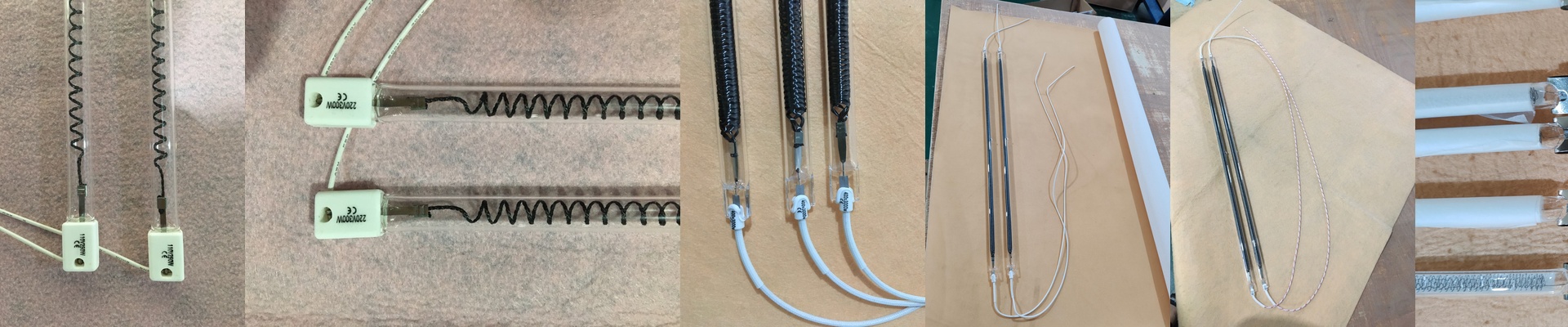
Keeping Your Brake Pad Coating Lines Steady
If you’re curing brake pad coatings, you know the struggle. You need the heat to be exactly right. If your infrared (IR) modules start drifting, you’re in trouble. You end up with patches that aren’t cured or, even worse, scorched surfaces. It’s a headache. That’s why we build our IR modules for the long haul. We’re talking 24/7 operation where “steady” is the only setting that matters.
Why Most Lamps Fail (and How We Fix It)
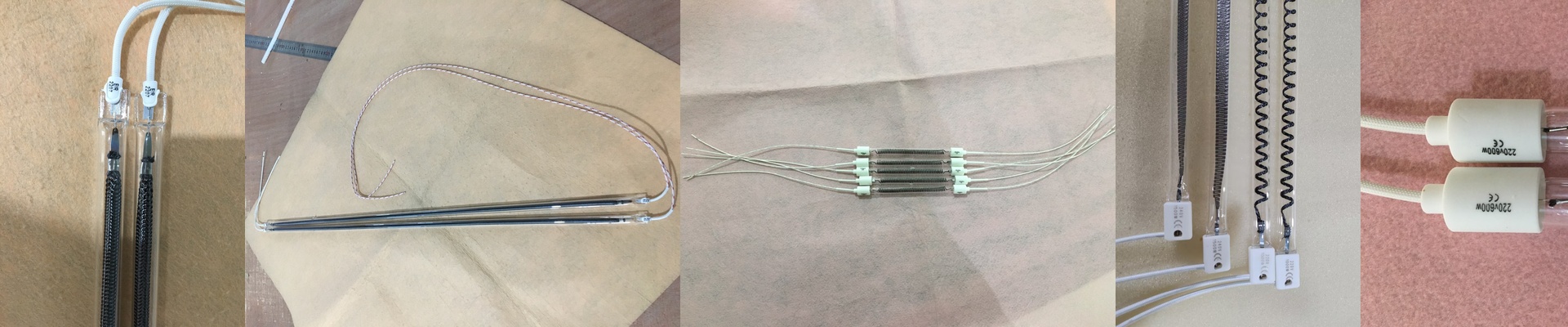
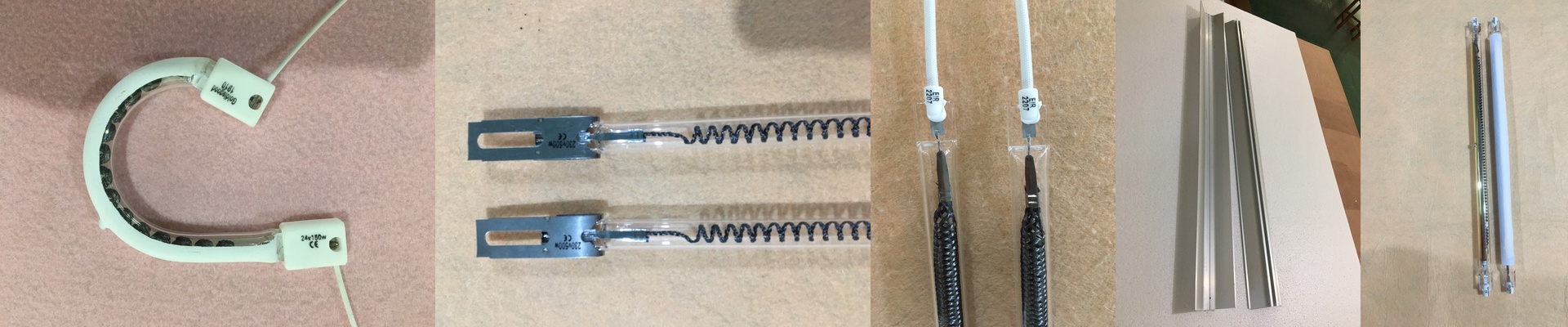
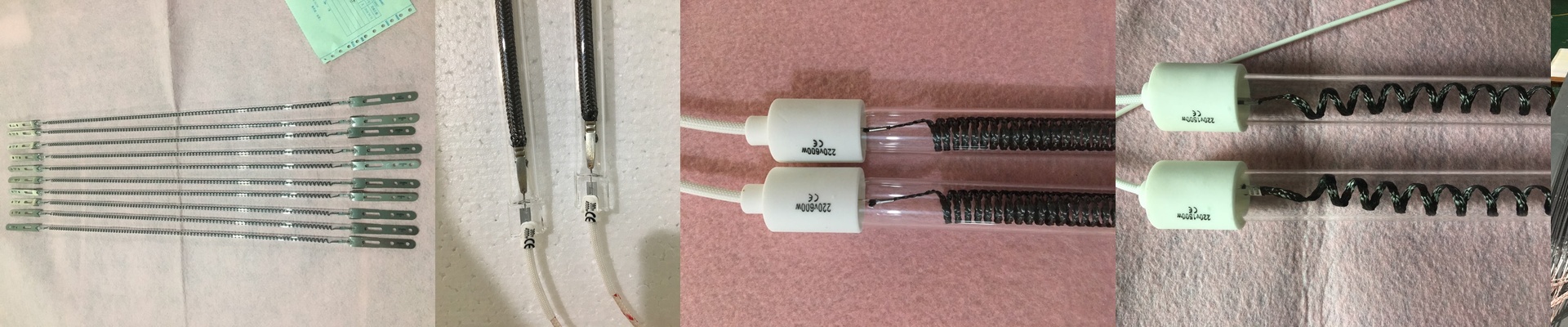
Here’s the thing: power drift usually happens because the filament can’t handle the heat. Cheap lamps are a gamble. The filaments thin out too fast, they sag, and eventually, they just lose their punch. We do things differently. We use high-purity quartz and specialized tungsten. It’s built to resist that evaporation process for thousands of hours. The goal is simple: keep the electrical resistance stable so your output doesn’t wiggle. One quick tip: make sure your power supply actually matches the lamp’s voltage curve. If you’re pushing a lot of wattage, your controllers need to be tough enough to handle that first cold-start spike. Otherwise, you’re just tripping breakers all morning.
Built for the Factory Floor
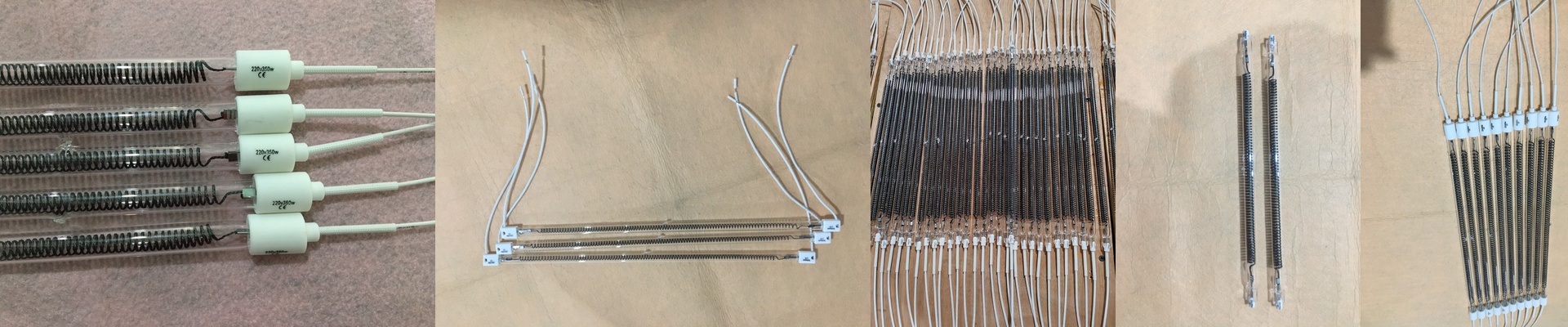
Factories are brutal. We know that. Our quartz is often coated to shift the emission spectrum. Basically, we push the heat onto the coating itself rather than wasting it on the metal carrier. It’s a smarter way to use energy. And we don’t mess around with the connections. We use heavy-duty connectors because oxidation is a silent killer. A loose or rusty terminal creates a hotspot, and a hotspot kills a lamp. We keep the fit tight so the current flows exactly how it should.
Making it Work in the Real World
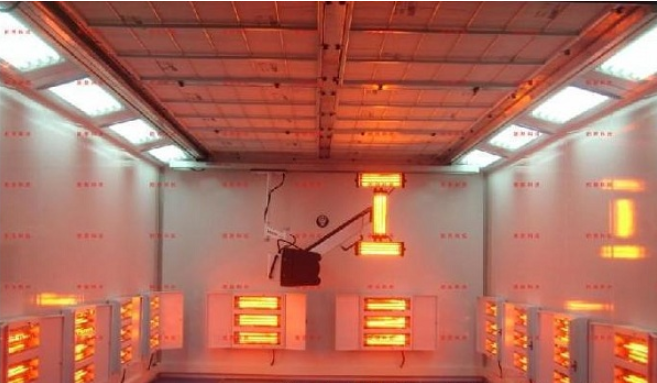
When you drop these into a custom line, you have to think about the heat footprint. A high-density IR array puts out a massive amount of energy. That’s great for the brake pads, but it turns your chassis into an oven. You’ve got to get your cooling fans and ventilation right. If the air around the lamp housing gets too hot, you’re just cutting the life of your equipment short. My advice? Use high-temp cabling. Pair it with a PID controller to keep your temperature window tight. When you do that, the coating on hour 500 looks exactly like it did on hour one. That’s how you stop worrying about your line.