Getting Your IR Lamp Layout Right for Automotive Curing
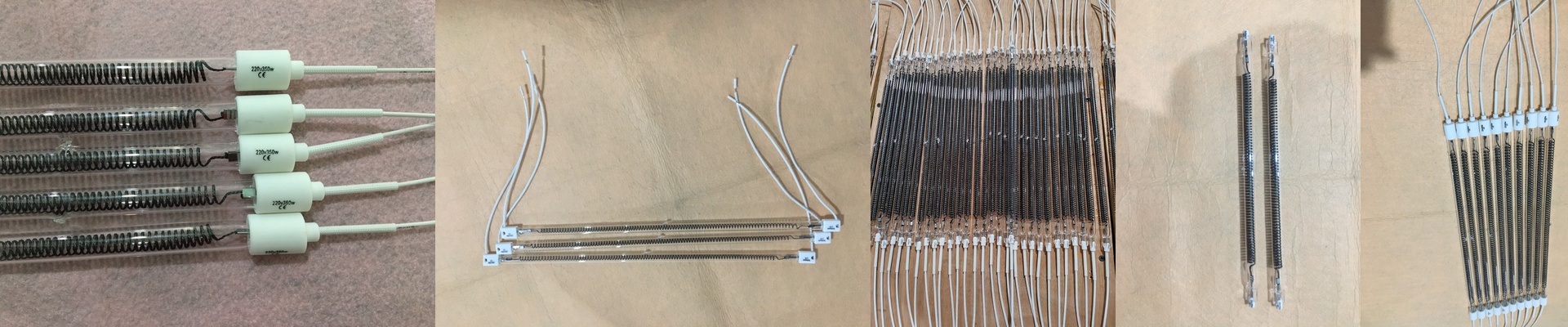
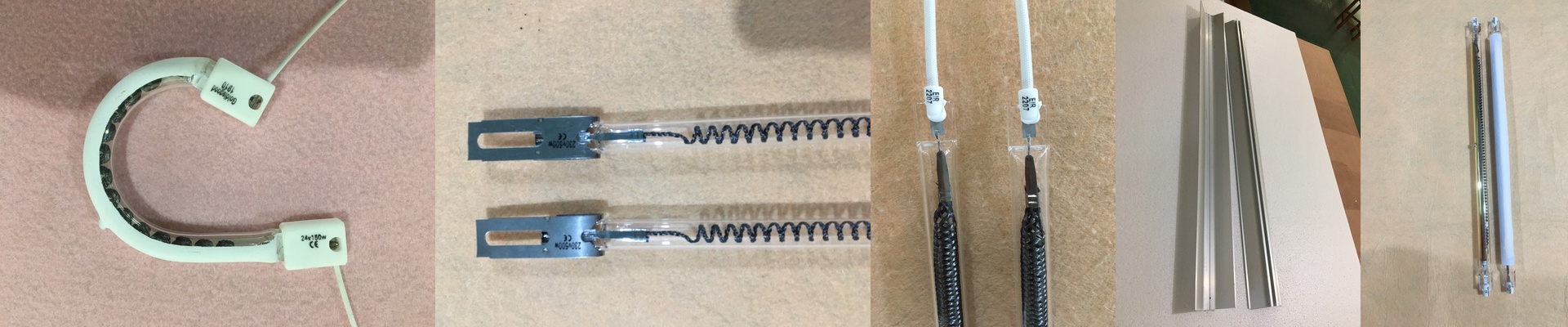
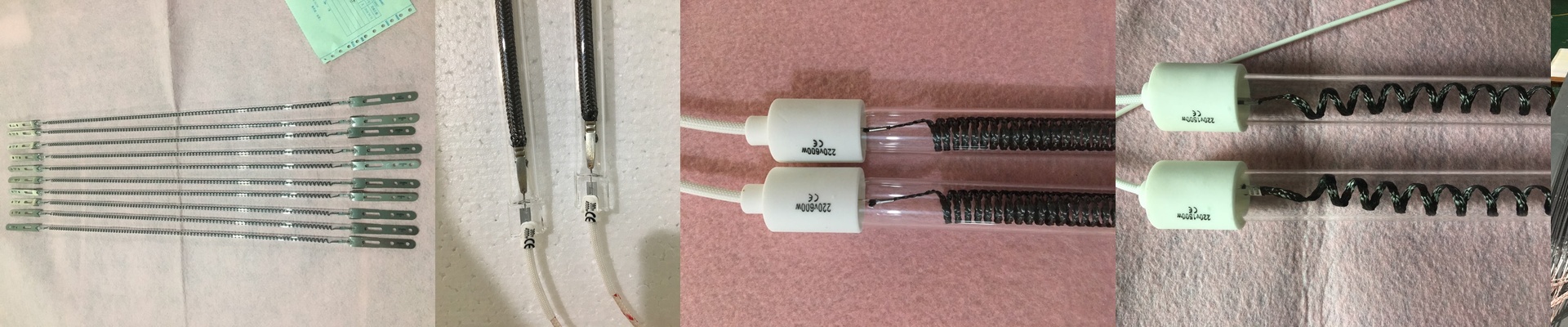
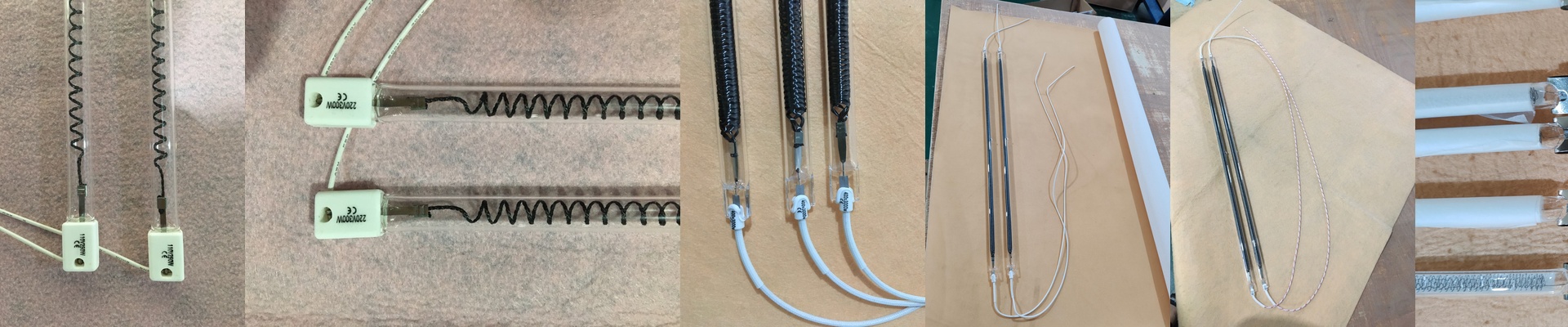
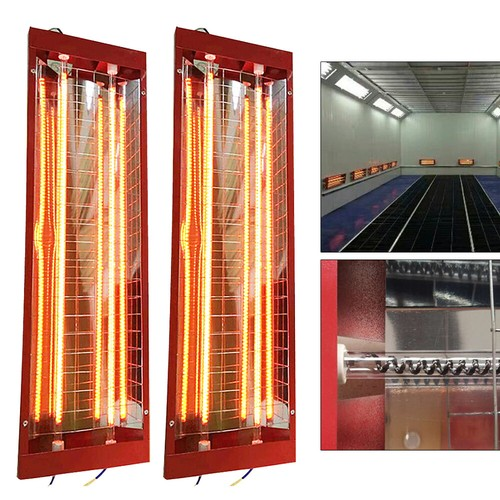
When we’re putting together heating walls for things like brake linings or paint curing, we can’t just toss some lamps on a rack and call it a day. That’s a recipe for disaster. You want the heat to hit the part evenly from top to bottom. The problem is, car bodies and brake parts aren’t one-size-fits-all. If you stick to a rigid, fixed layout, you’ll end up with scorching hot spots in the middle and cold patches on the edges. Not ideal. The trick to the vertical layout Think of each infrared tube as projecting a cone of heat. To keep from getting “stripes” on your parts, we overlap those cones by about 15-20%. And here’s a little pro tip: for big vehicle frames, we usually pack more lamps at the bottom. Why? Because heat loves to sink toward the floor. At the same time, we leave a bit more breathing room at the top so you don’t accidentally fry the roof sections. Dealing with the heat High-wattage shortwave lamps are great because they get up to temperature fast. But there’s a catch. If you cram too many tubes into a small space, you’re basically building a furnace inside your oven shell. You’ve got to make sure your fans and ventilation can actually handle that rise in ambient temperature. If the wall is too dense, the lamps might just trigger their own thermal cut-offs—or worse, they’ll burn out early because they’re soaking in their own heat. Making it work in the real world We like to mount these lamps on adjustable rails. It just makes life easier. If you stop curing compact car parts and switch over to big SUVs, you can just shift the distribution on the fly. Also, do yourself a favor and use high-temperature silicone cabling. Regular insulation will just melt, and nobody wants to deal with that. One last thing to keep in mind: distance is everything. Push the lamps closer to the part, and you get intense heat—but your “sweet spot” for uniform curing gets tiny. You’re trading coverage for speed. If you’re working with heavy brake linings that need a deep, thorough cure, move the lamps back and bump up the wattage to keep the energy flowing.