Stopping the Warp: A Better Way to Handle Automotive Interiors
Ever pull a part out of the mold only to watch it slowly twist or spring back right in front of you? It’s frustrating. You’ve done the work, but the part just won’t stay put. The problem is usually hidden internal stress. When you heat a part uniformly, you’re treating the whole thing the same, but the plastic isn’t. You miss those tiny, stubborn stress points, and the moment the part leaves the mold, it snaps back to where it wants to be, not where you need it to be.
The Trick to Zonal Infrared
Instead of blasting the whole part with one big heat source, we use zonal infrared control. Think of it like this: you split your heating array into independent zones. Now, you can crank up the energy for the thick, chunky sections and dial it way back for the thin edges. This means the core of the plastic actually hits the glass transition temperature without burning the surface. It lets you “freeze” the geometry in place. When you get rid of those thermal imbalances, the shrinking and warping just… stop.
Getting it Working on the Floor
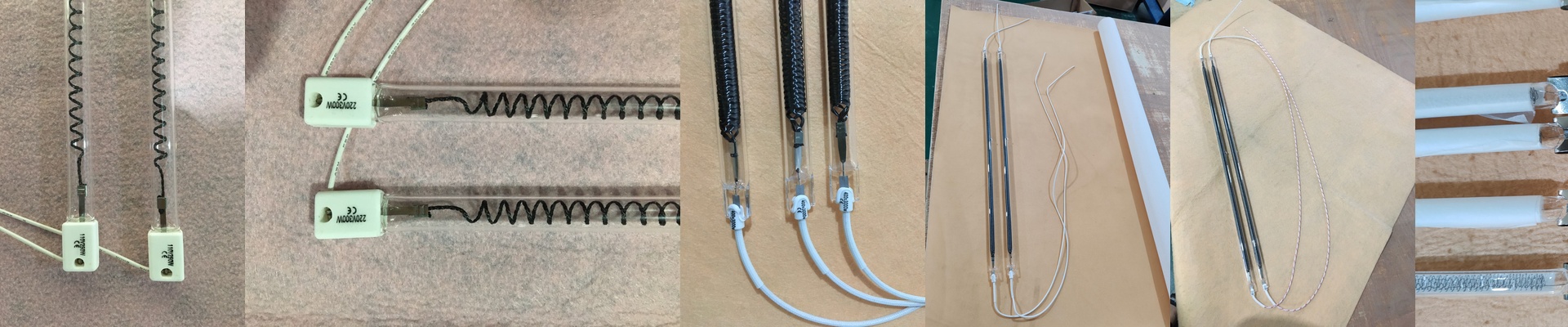
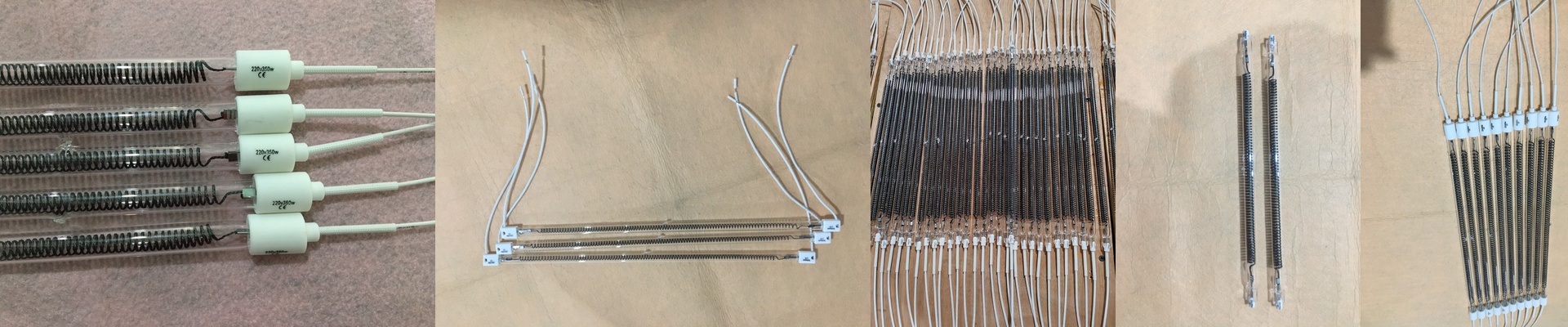
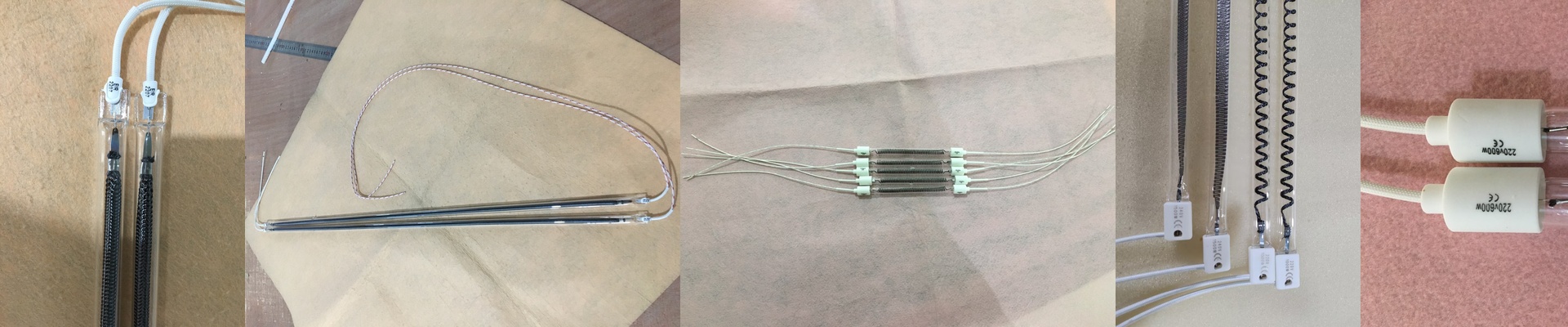
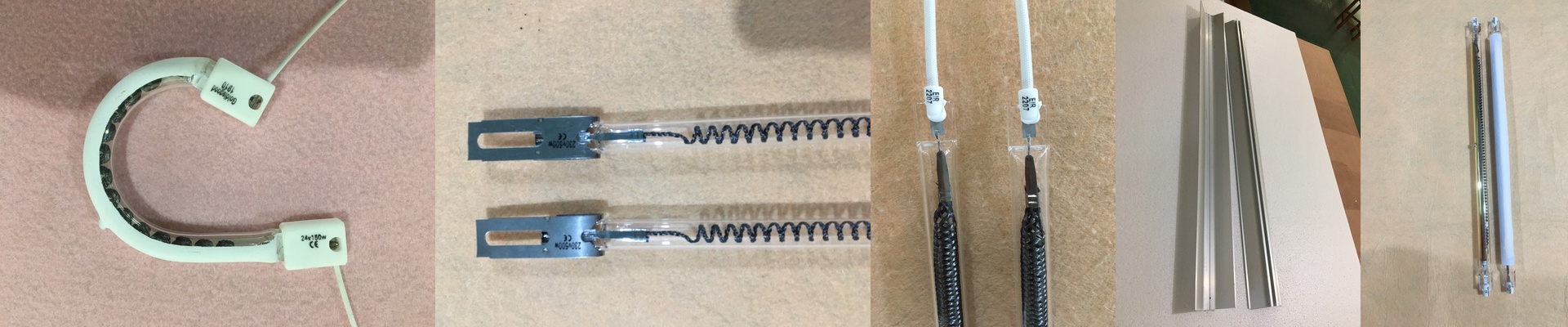
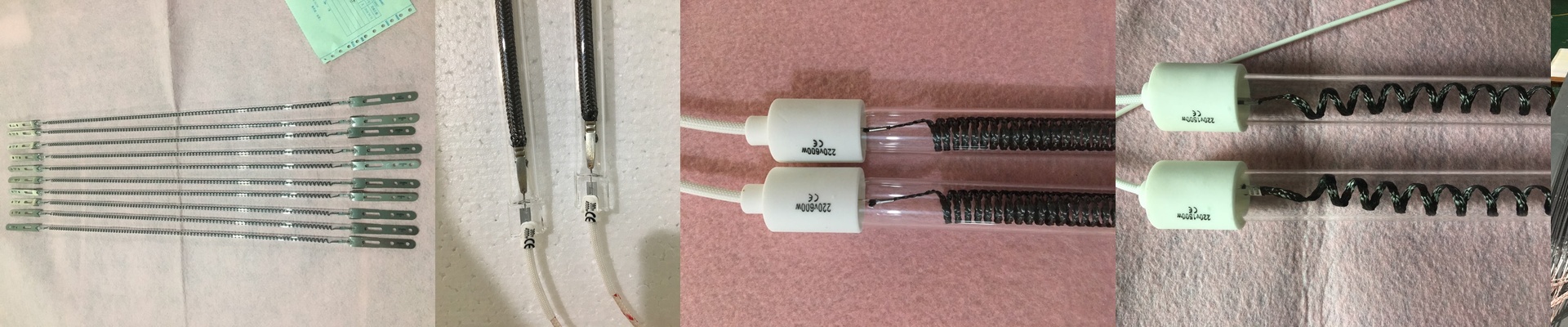
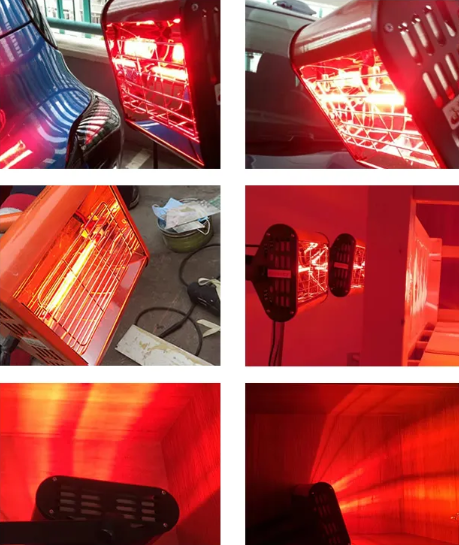
To make this happen, you can’t use sluggish gear. You need a controller that switches fast and sensors that react in real-time. We usually go with short-wave IR lamps because they actually get deep into the polymer rather than just heating the skin. You’ll have to map out your part’s shape and decide how much power each zone needs. For a complex dashboard piece, the center might need 30% more juice than the edges. One heads-up: these high-density arrays gethot. Really hot. If your cooling fans and vents aren’t up to the task, you’re going to trip your thermal breakers and kill your momentum.
No More Guesswork
The best part? You stop fighting the material. Instead of crossing your fingers and hoping the part holds its shape, you’re actually in control. Your tolerances stay tight, your scrap pile shrinks, and you can finally stop spending hours manually trimming or reheating warped parts just to save them.