Stop the Squeak: Why Your Curing Process is Killing Your Brake Pads
That annoying, high-pitched brake squeal? It usually doesn’t start on the road. It starts in the oven. When friction materials don’t cure evenly, you end up with internal stress and weird pockets of density. Once those pads hit the road, they create “hot spots.” That leads to vibrations, and that’s where that piercing noise comes from. Most people use standard hot air ovens, but there’s a catch. They heat from the outside in. By the time the core is actually cured, the surface is basically over-baked. It’s a mess.
Getting the heat where it actually matters
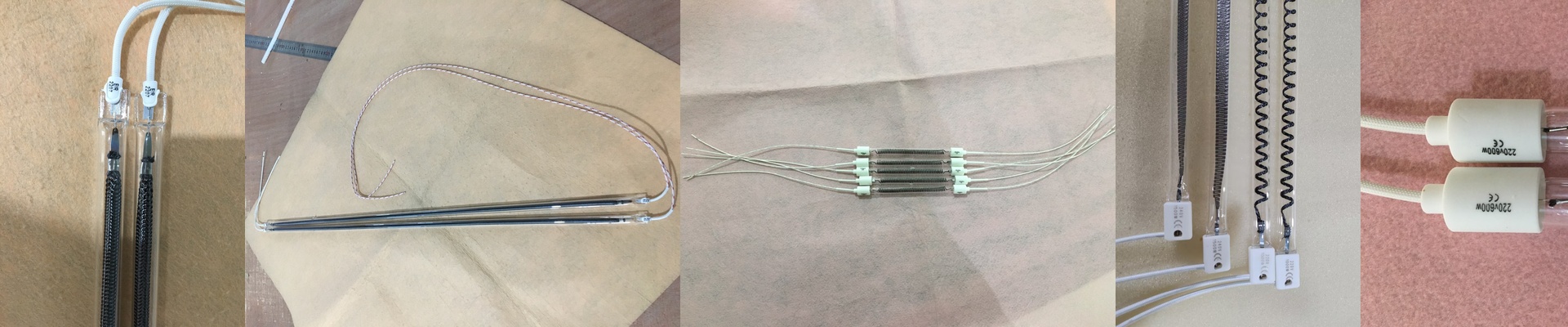
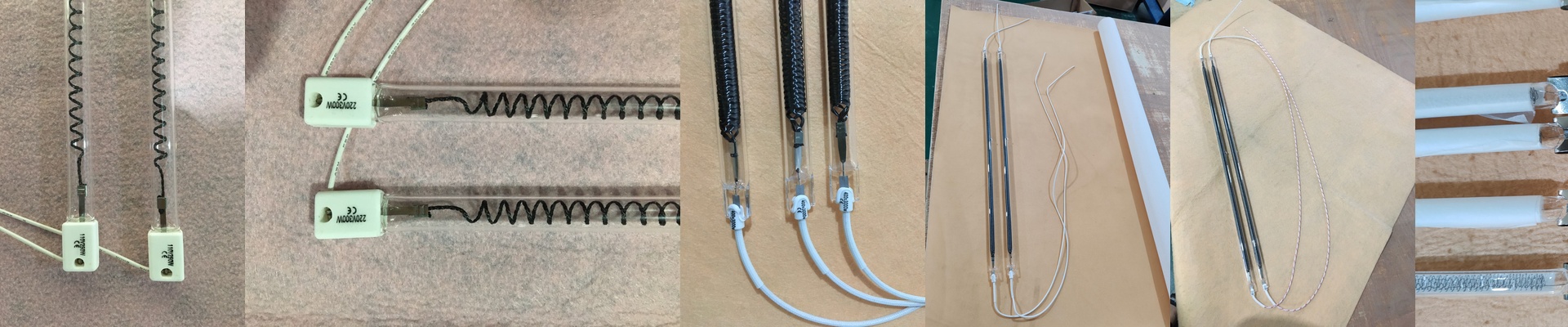
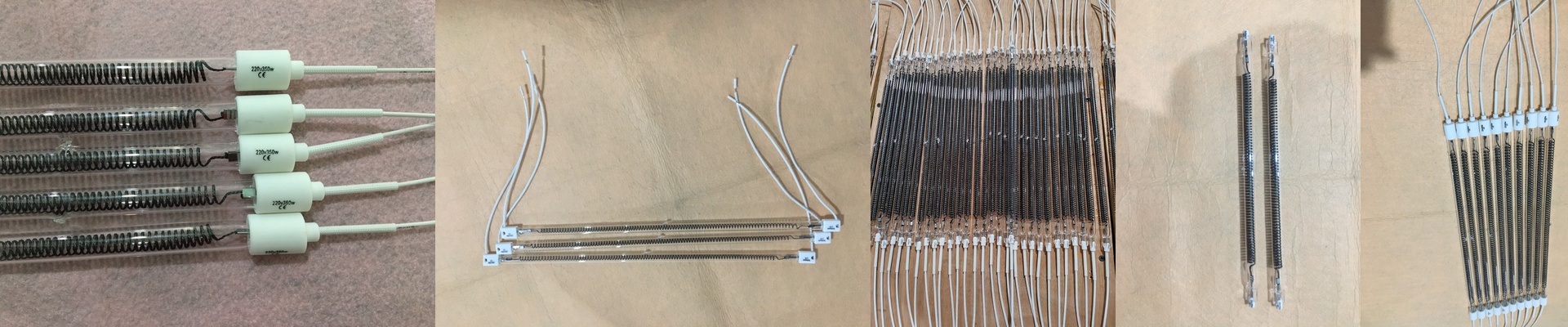
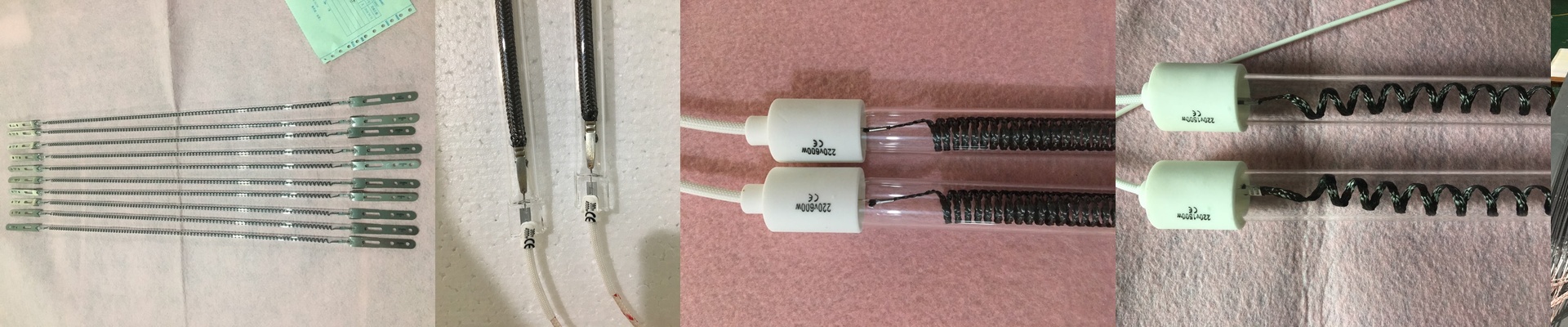
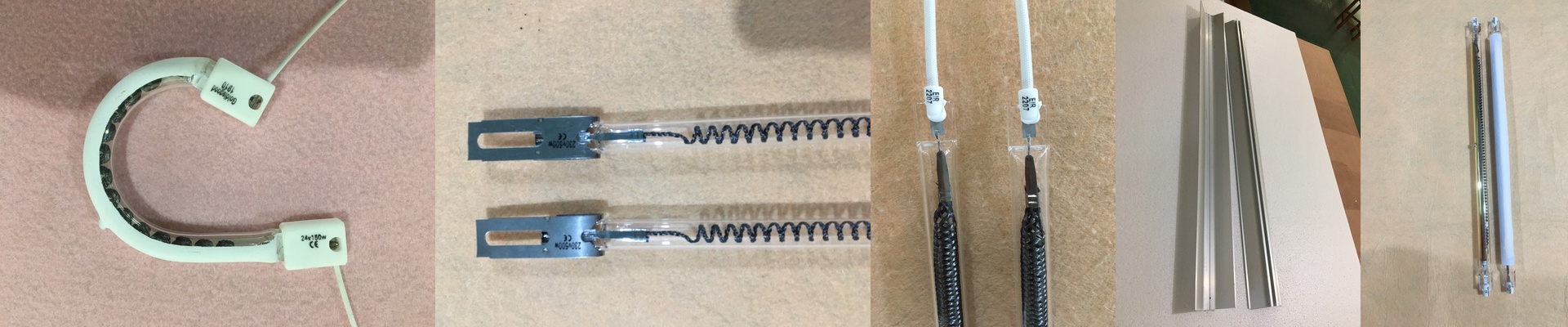
We do things differently. We use short-wave infrared (IR) to hit the material with direct radiant energy. Think of it like this: instead of waiting for the air to get hot, IR photons dive deep into the friction material. They get the molecules vibrating across the entire pad at once. This means the resin cures at the same speed from the surface all the way down to the backing plate. Everything stays consistent.
The trick to getting it right
You can’t just blast it with heat and hope for the best. You need precise wattage control. We use high-density IR emitters to ramp up the temperature fast. This forces the heat inward. But here’s the thing: your spacing has to be spot on across the conveyor. If the emitters are off, you’ll get “zebra striping” on your pads. You’re basically just trading one headache for another.
The trade-offs
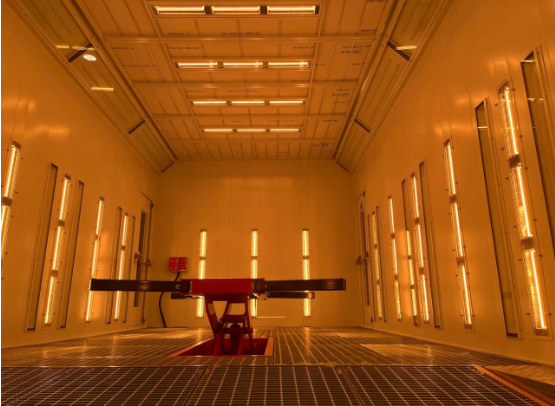
The upside is huge. IR curing slashes your cycle times. You can take a massive, clunky convection oven and shrink it down into a much smaller footprint. It saves a ton of space. But it’s aggressive. Because it’s so powerful, you have to keep a close eye on surface temperatures with pyrometers. If you overshoot, you’ll scorch the resin on the outside before the middle is even set. And you can’t just let them sit there. You need a cooling stage that pulls the heat out quickly the second the pad leaves the tunnel. That’s how you lock in the structure and keep things quiet.