Stop Wasting Shop Space on Giant Brake Pad Ovens
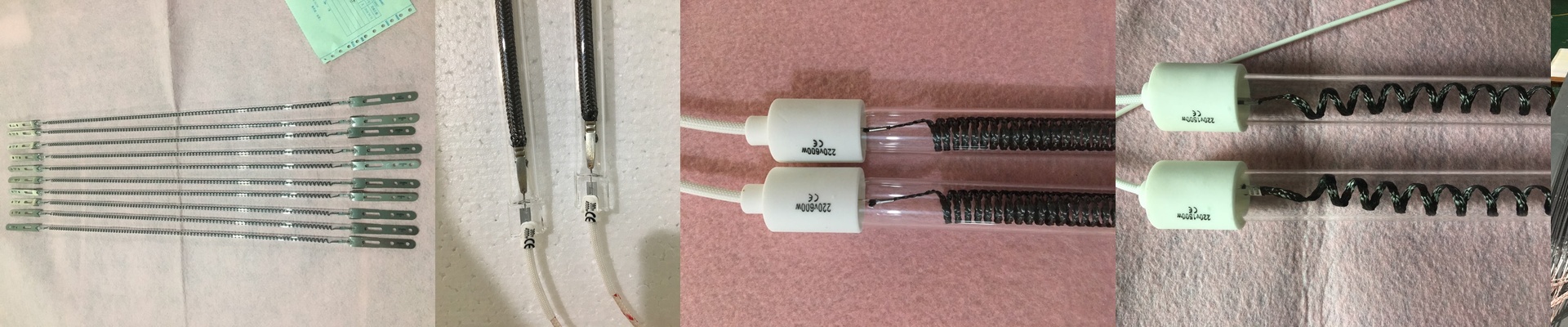
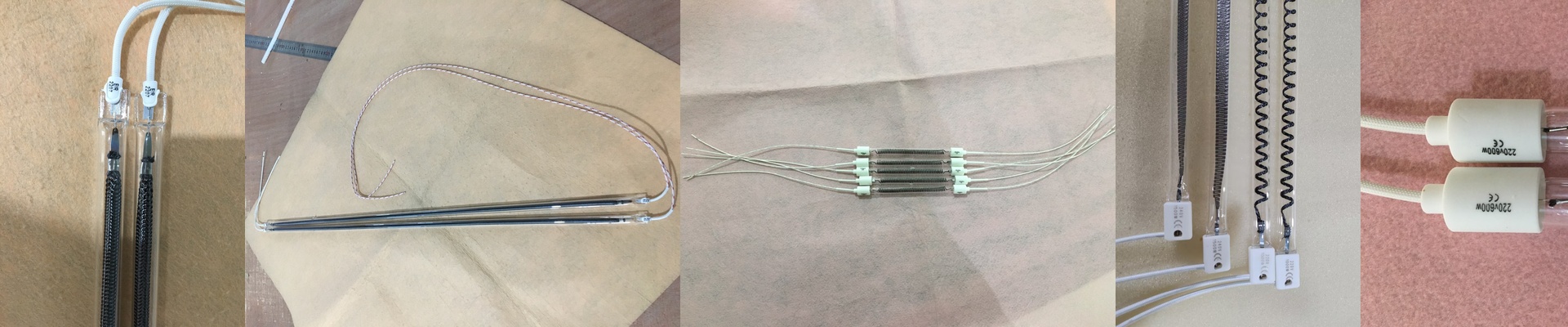
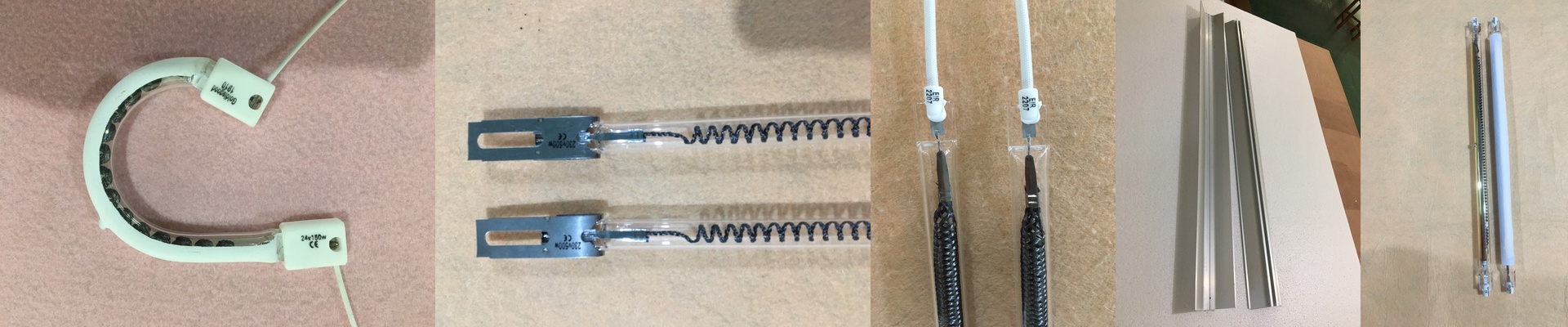
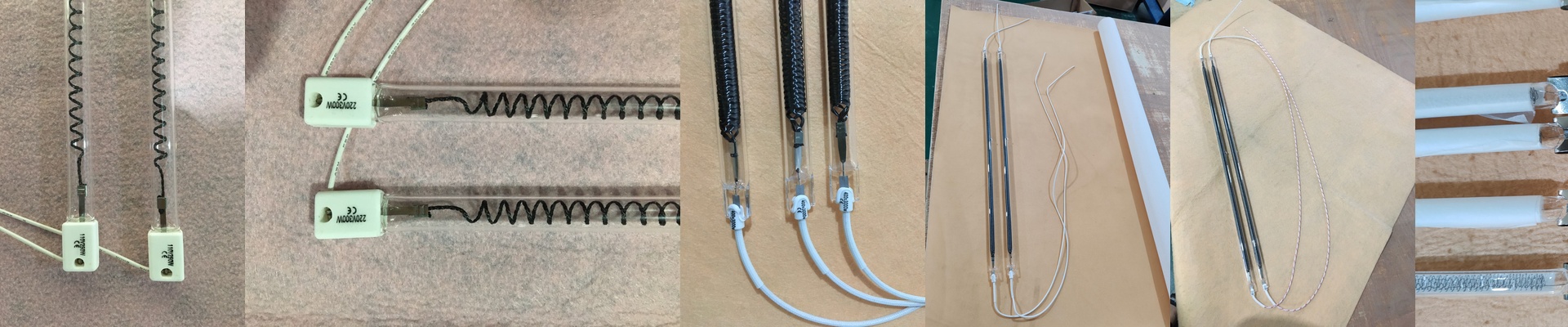
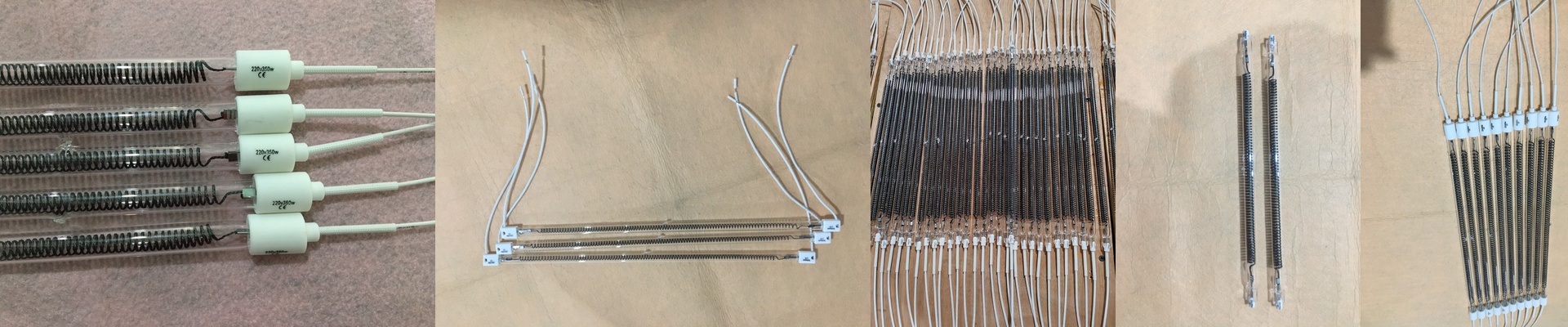
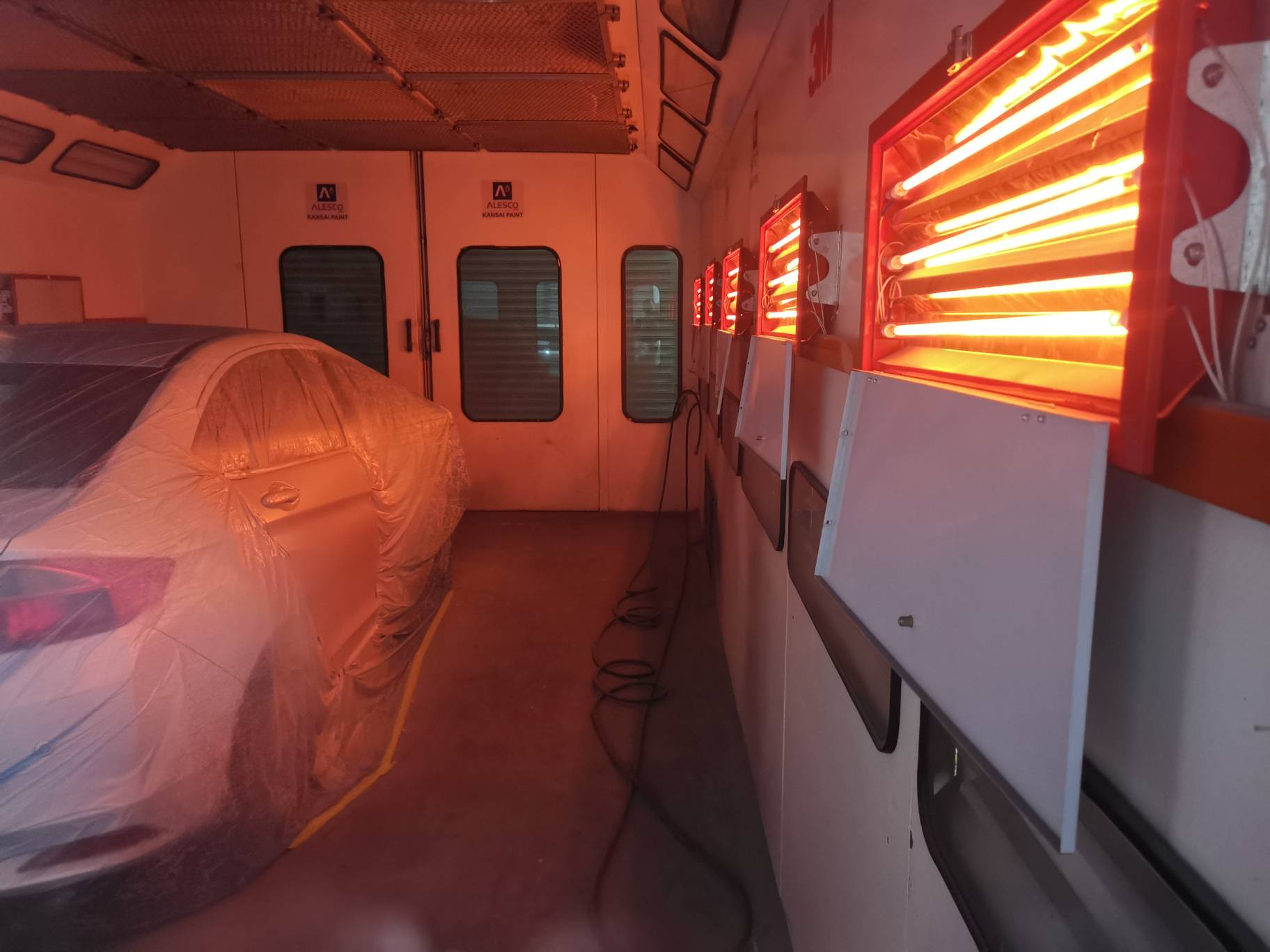
If you’re still using those old-school convection ovens for brake pad coatings, you know the drill. You’re basically heating up a massive amount of air and hoping for the best. It’s slow. It’s inefficient. And let’s be honest—those tunnel ovens are absolute monsters that eat up half your floor space. We do things differently. Instead of heating the air, we use shortwave infrared (IR) lamps to hit the coating directly.
Why it actually works
Here’s the cool part about the physics. Shortwave IR doesn’t just sit on the surface; it sinks right through the coating and hits the substrate. This creates a “bottom-up” heat. When you heat from the top down, the surface dries first and forms a skin. That skin traps solvents inside, which is exactly how you get those annoying bubbles. With IR, the heat pushes the moisture and volatiles out from the base. You get a full, clean cure in a fraction of the time.
Getting the speed you need
If you want to shrink your production line, you need heat density. We usually go with high-wattage quartz halogen tubes. These things are fast. They ramp up to full temp in seconds, meaning you aren’t wasting money keeping an oven idling at 200°C all night long. Because the energy transfer is direct, you can often chop your tunnel length by 50% or even 70%. And if you’re running a fast conveyor, you can set up the IR banks in zones. Use the first zone to flash off the solvents, then let the second zone handle the polymer cross-linking. It’s a much smoother flow.
The reality check
Now, I won’t tell you this is a magic wand. High-density IR puts out a lot of heat. If you don’t get your cooling fans and ventilation right, you’re going to warp your oven housing. And if your belt speed is off? You’ll scorch the coating before it even leaves the tunnel. That’s why we always suggest installing pyrometers. Having real-time surface temperature monitoring means you won’t accidentally burn a batch of parts just because you decided to speed up production. It’s a bit of a trade-off. You get a tiny footprint and way more output, but you have to be a lot more precise with your belt speed and lamp positioning. But once you have it dialed in? It’s a completely different experience.