Getting Brake Pad Bonding Right (Without the Headaches)
When you’re bonding friction materials to a backing plate, the heat has to be spot on. If your thermal cure drifts even a little, you’re looking at uneven curing or, even worse, delamination. It’s a nightmare. That’s why we build our infrared modules the way we do. We want your line running 24 hours a day with zero power flickers. Just steady, reliable heat.
The Balancing Act: Power and Speed
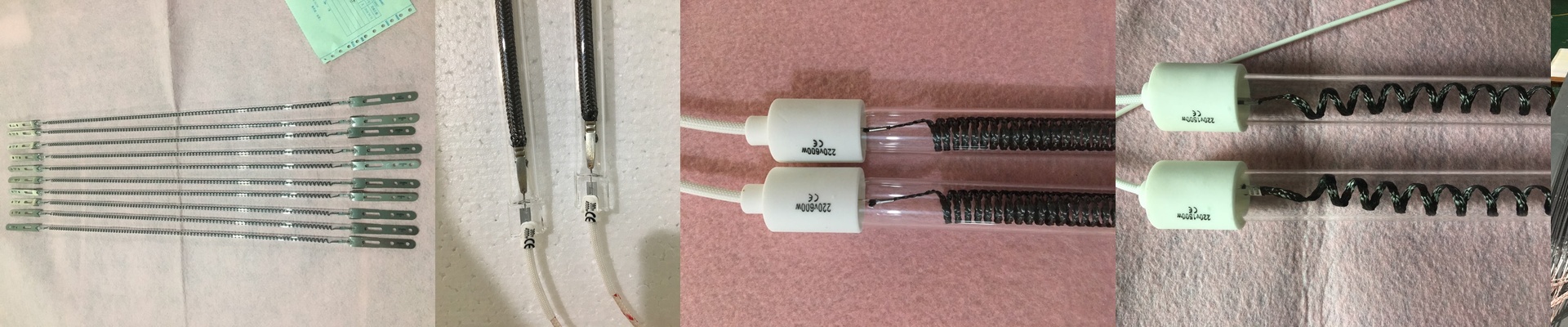
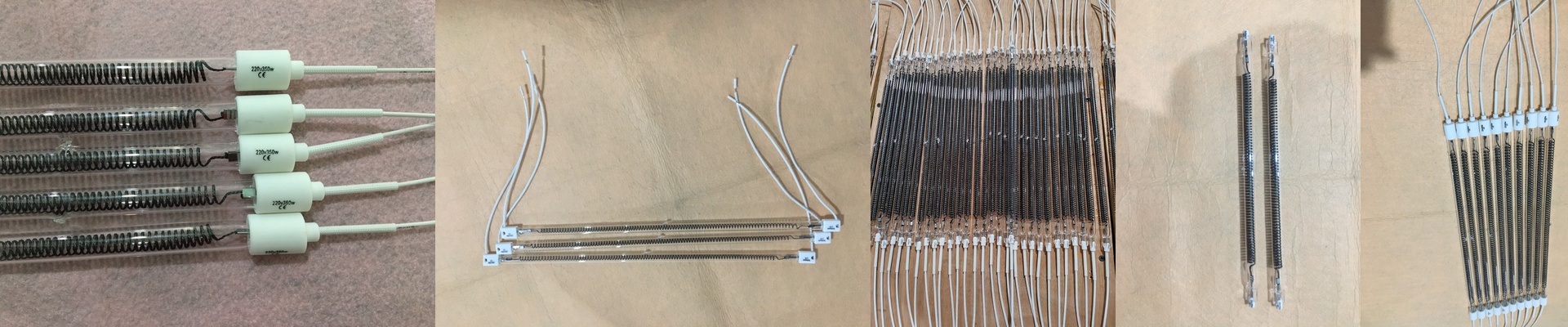
Here’s the thing: you can’t just throw a generic heater at this. We spec out every module based on how fast your line moves and how heavy your pads are. We use high-wattage shortwave lamps because they punch through the material immediately to hit those resins. But we also stabilize the voltage. Why? Because those little dips and flickers you see in industrial shops are exactly what kill lamps. It’s a tight window. If you crank the power too high, you’ll scorch the organic binders. Too low? The bond just won’t hold. We spend the time calibrating the output so the temperature stays flat across the entire width of your belt. No hot spots, no cold zones.
The Gear That Actually Lasts
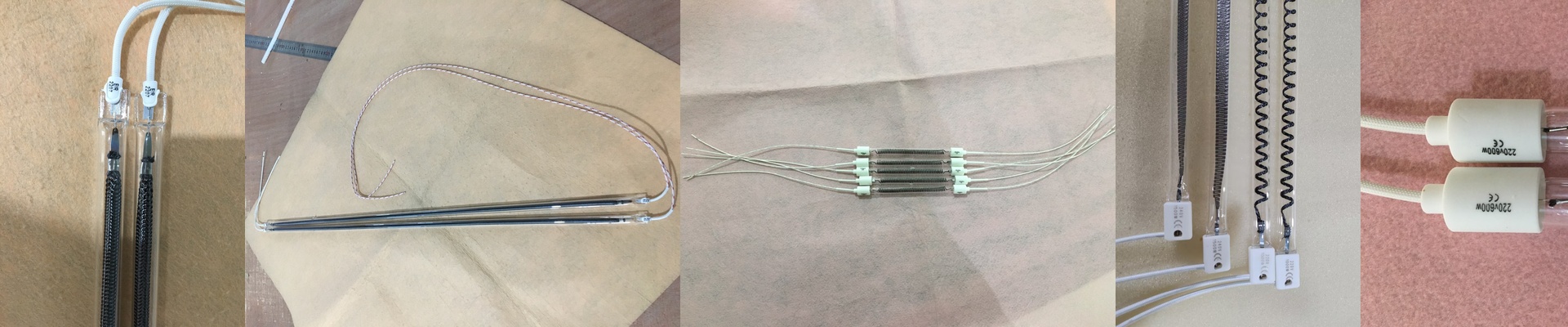
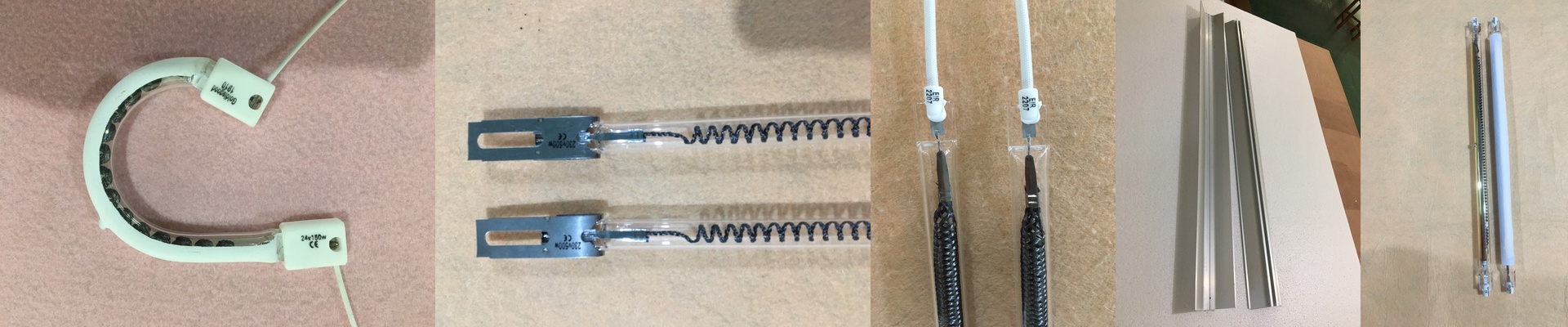
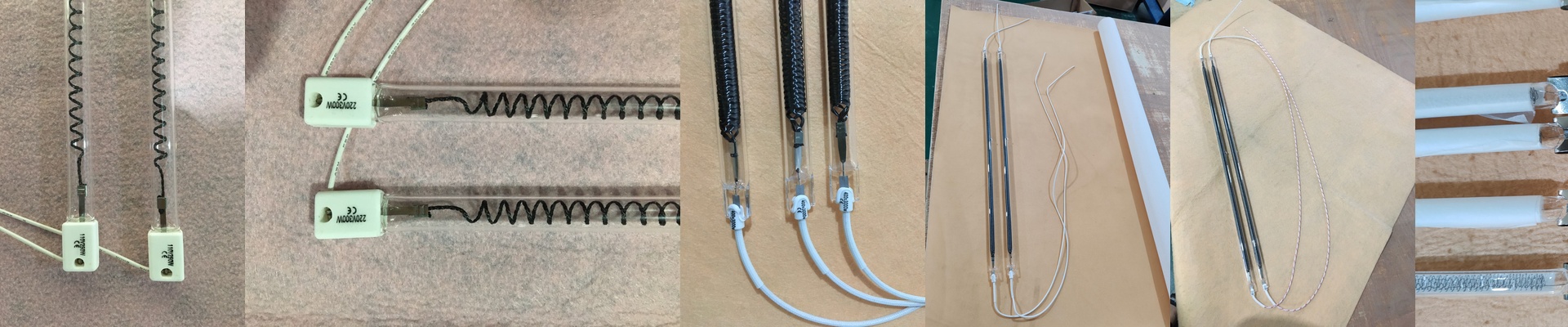
We use quartz glass with special coatings to keep the IR radiation focused on the pads, not the chassis. It keeps the heat where it belongs. We also obsess over the connectors. In a high-vibration environment, a loose connection is a disaster—it creates a hot spot that burns out your terminals. And we stick with shortwave IR. It hits the target directly instead of trying to heat up the air first. It’s fast. Really fast. Your modules hit operating temperature in seconds.
The Catch: Cooling and Upkeep
Now, there’s a trade-off. High-density IR modules put out a massive amount of ambient heat. If you try to run these 24/7 Without a solid cooling system for the wiring and reflectors, your electronics will start to drift. That’s when you lose that rock-solid stability we talked about. One last tip: keep an eye on the reflectors. Give them a quick clean once a week. When dust builds up, efficiency drops, and your lamps have to work harder and run hotter than they should. A little bit of cleaning saves a lot of money on replacements.