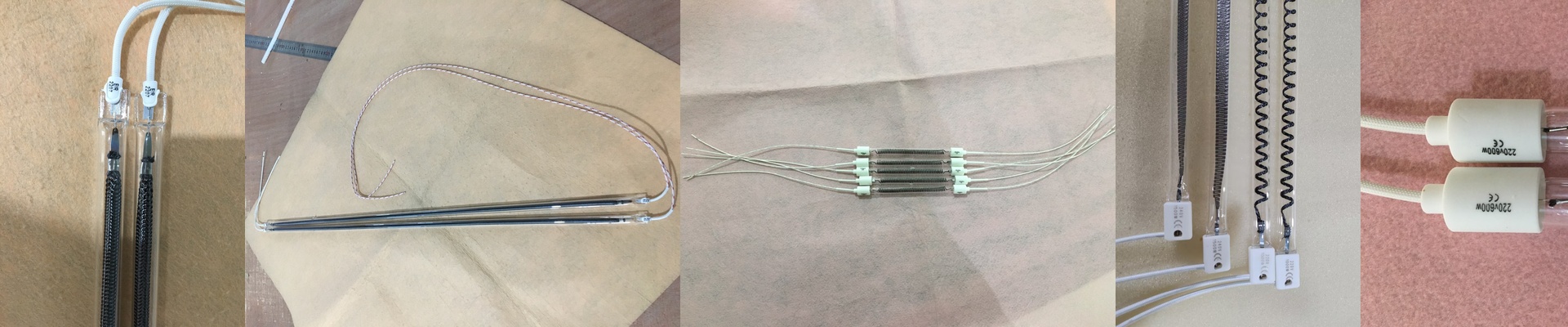
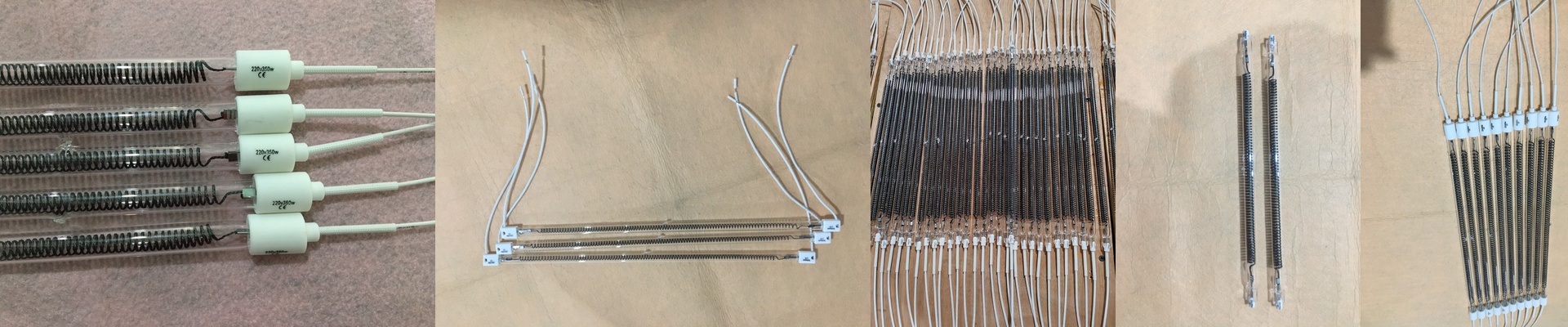
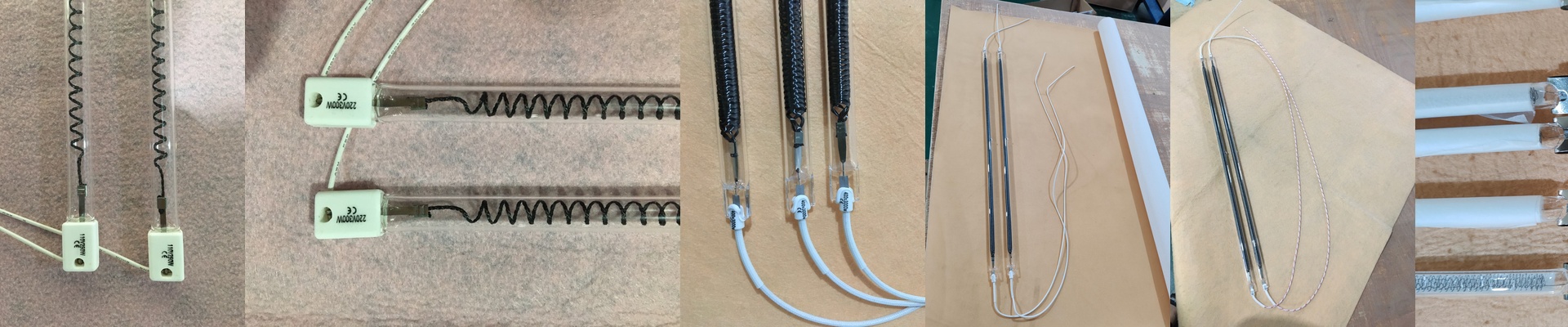
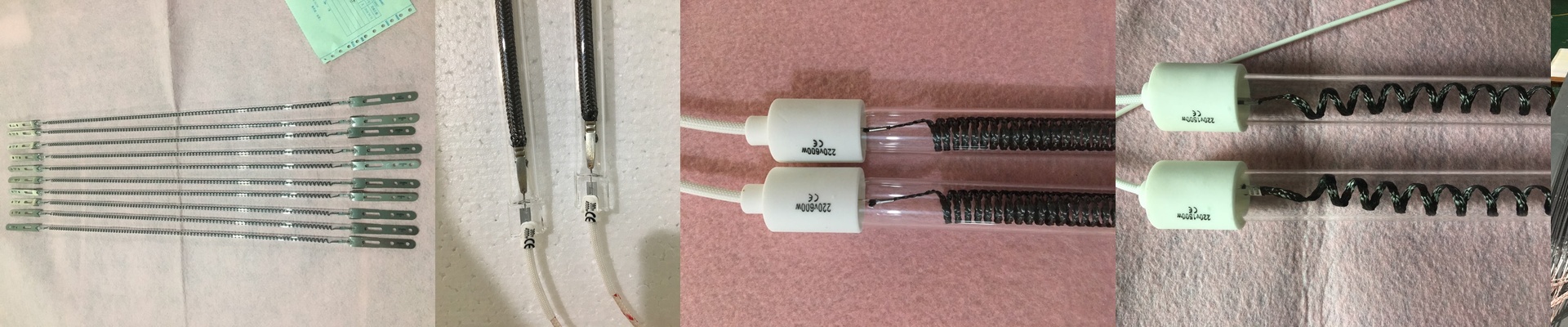
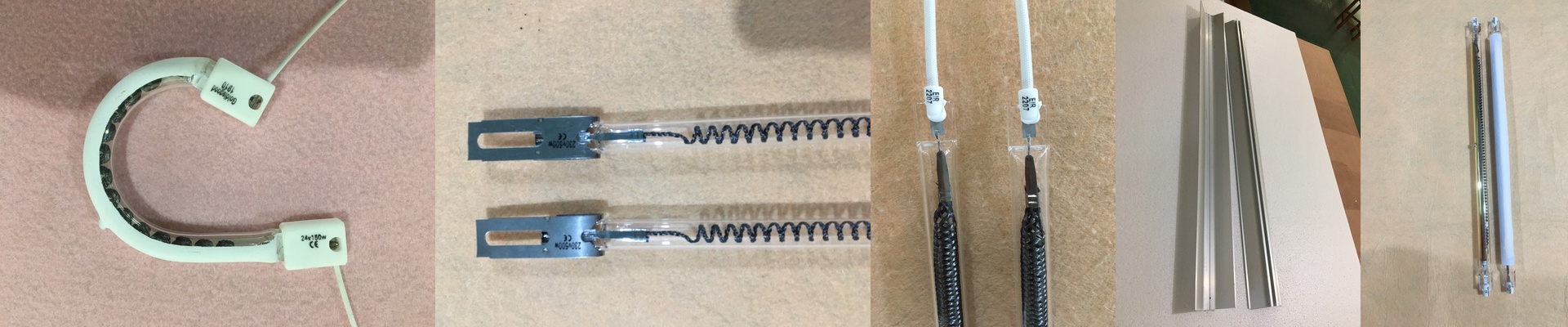
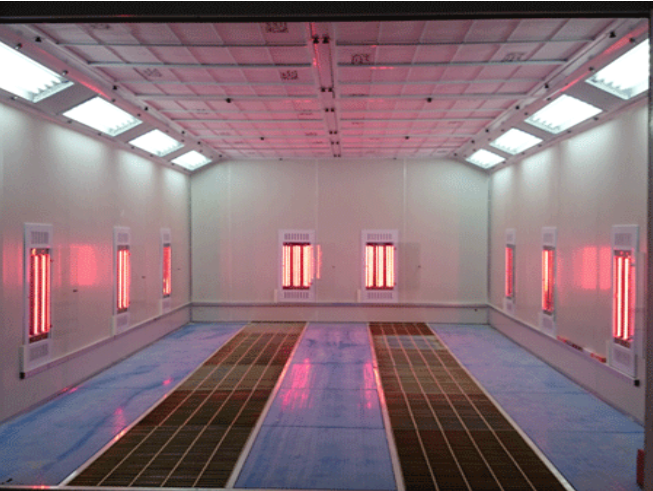
Curing brake pads is a bit of a tightrope walk. If you crank the heat too fast, those organic binders basically explode, leaving a bunch of tiny holes in your friction material. But if you go too slow? You’re just wasting time and money. The real nightmare, though, is uneven heating. When the outside of the pad cures before the middle, you get internal stress. And that’s how you end up with thermal cracks. Not ideal. We handle this with short-wave infrared (IR) heaters and precision zoning. Think of it this way: standard convection ovens just heat the air. IR is different. It goes straight into the material. By using a multi-zone IR array, you get to call the shots on how much heat hits the pad at every stage of the process. It all comes down to the wavelength. Short-wave IR packs a punch, which is exactly what you need to get a heavy pad up to temp quickly. We use quartz-halogen elements because they react instantly. You can tweak the power with SCR controllers to keep the temperature exactly where it needs to be. This stops that “skin effect” where the outside hardens and traps gases inside like a balloon. One thing to watch out for: the footprint. High-wattage IR lamps get incredibly hot. If your reflectors are slightly off or your cooling fans are too weak, you’re going to melt your sockets or warp your jigs. It’s a mess you don’t want to clean up. If you want to kill off that porosity, try a stepped heating profile. Start with a low-intensity soak. This gives the moisture and volatiles a chance to breathe and escape. Once that’s done, kick it into high gear to cross-link the resins. That gradual shift is what keeps the pad structurally sound. And a quick tip on the electrical side: use heavy-duty leads. A full bank of IR lamps pulls a massive amount of current. Make sure your power supply can handle the peak load. If it can’t, you’ll get voltage drops, and suddenly your temperature set-points are all over the place.