Getting Your IR Lamp Layout Right in the Paint Booth
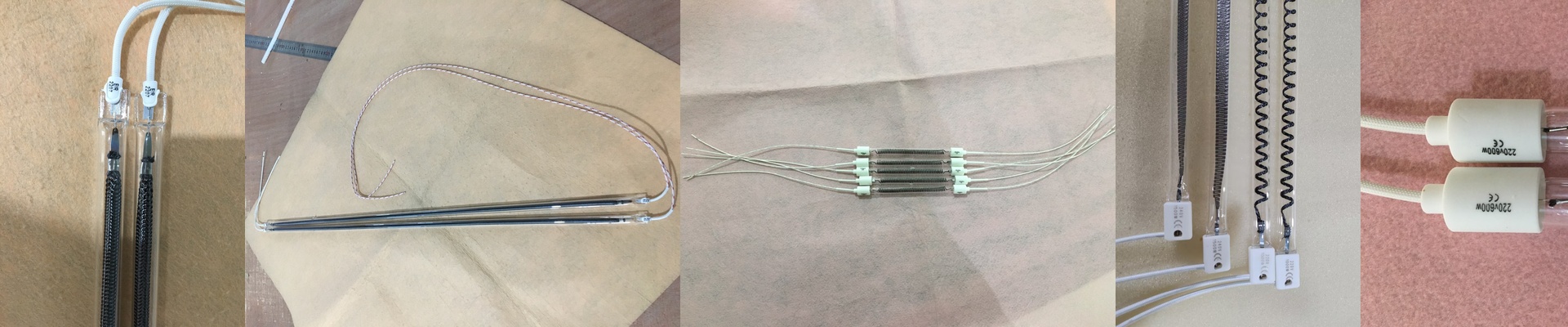
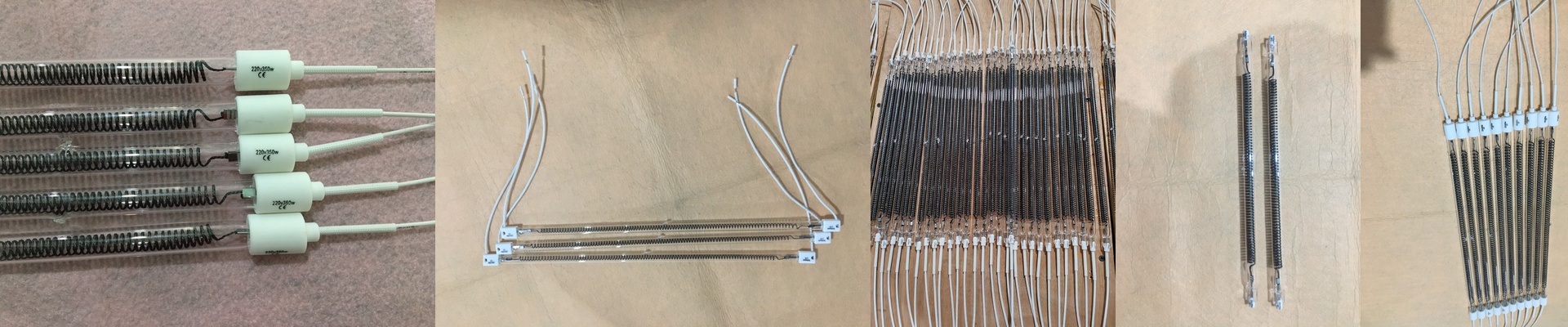
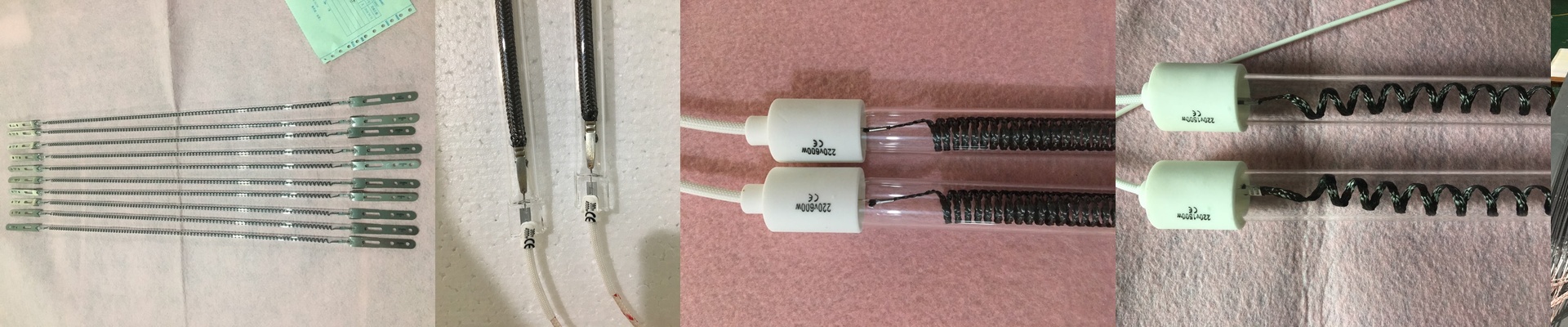
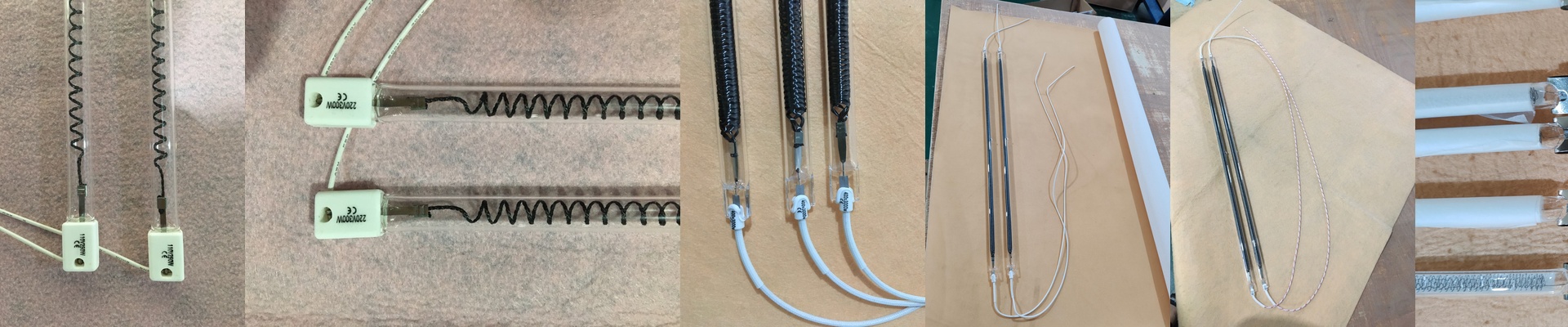
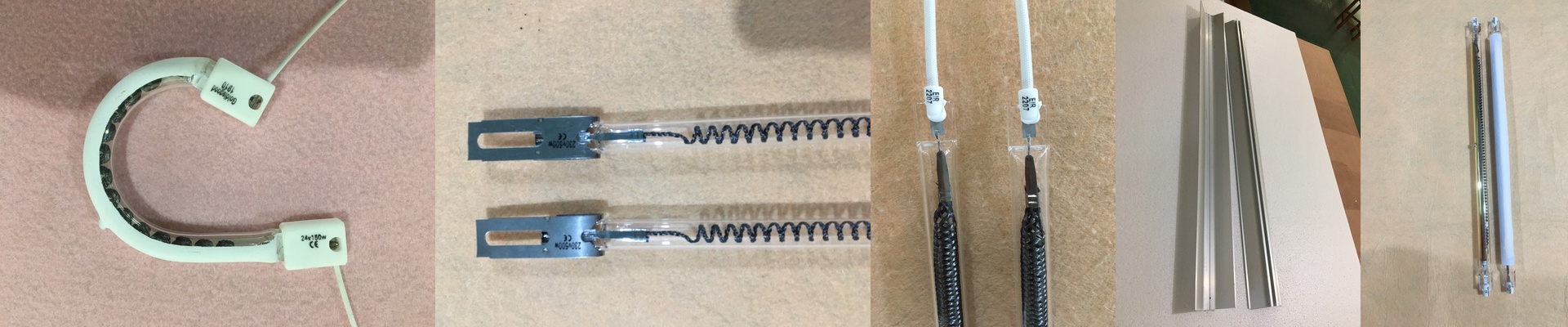
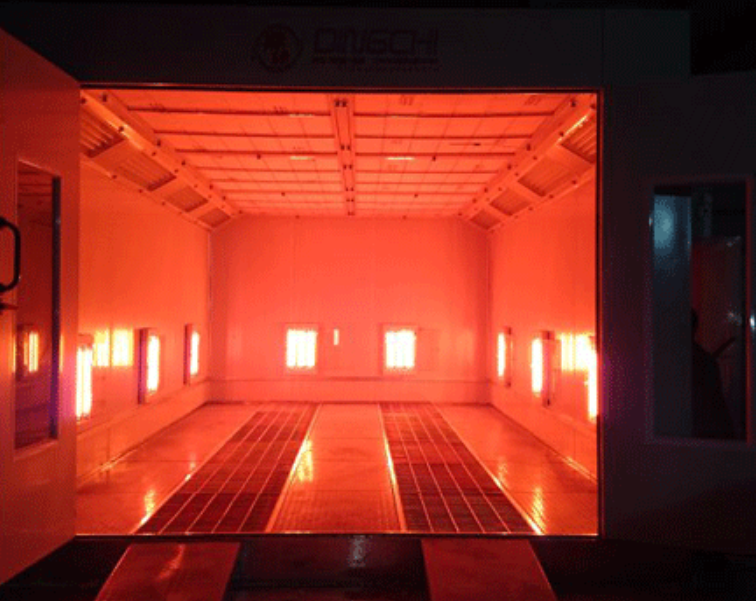
When we’re putting together a custom heating wall, there’s really only one goal: getting the heat to hit the car evenly. No gaps, no surprises. The problem is that cars aren’t one-size-fits-all. A low-slung sports car and a massive SUV don’t absorb heat the same way. If your lamps are just stuck in one place, you’ll end up with fenders that are way too hot and a roof that’s still cold. Not a great look. The trick to vertical spacing We figure out where the lamps go based on how tall the car is and how hot you need the paint to get. Shortwave IR is great because it digs deep into the paint, but if it’s too close, you’ll scorch the finish. If you’re running a mix of different models, don’t bolt everything down. We usually go with a modular rail system. It lets you slide the lamp arrays up or down so the “sweet spot” of the heat hits the middle of the car, regardless of its size. Balancing power and air It’s tempting to just throw in higher-wattage lamps to get cars out the door faster. But there’s a catch. If you cram too many tubes into a small space, you’re basically turning the booth into an oven. Your ventilation has to be able to keep up. If the air can’t pull that heat away from the ceiling, the paint can “skin over” too fast. That’s how you get solvent pop, and nobody wants to spend the day sanding that back off. Keeping things running We use reinforced quartz tubes because they can handle the constant heating and cooling without snapping. And since things eventually break, we use quick-disconnect connectors. It’s a small detail, but it means your team can swap a dead tube in a few minutes. No need to Spend half a shift rewiring the whole wall. One last thing to watch out for: if you put the lamps too close together, the heat zones overlap. While that stops cold spots, it can make the curing uneven if the car isn’t parked perfectly in the center. To fix that, we usually plug in a PID controller with zoned sensors. It basically lets you tweak the power to specific rows of lamps on the fly. It just works better.