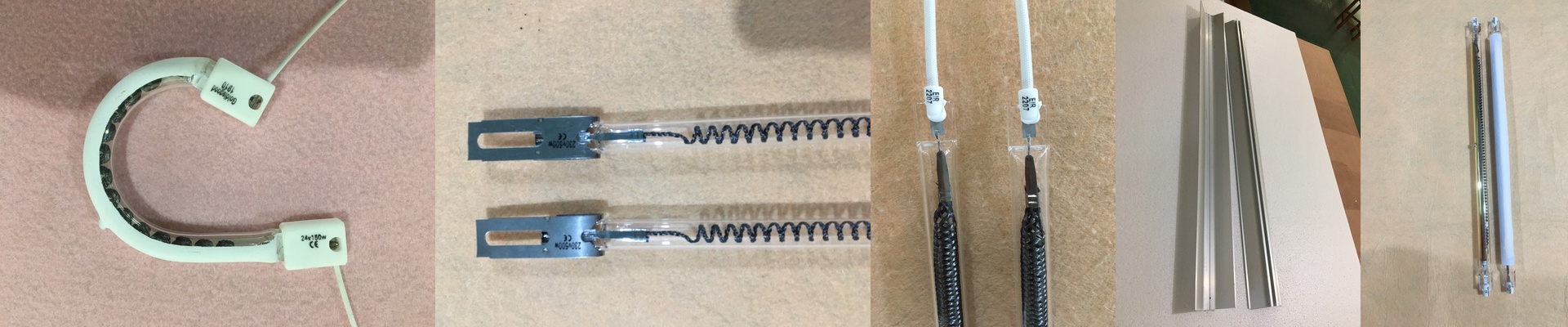
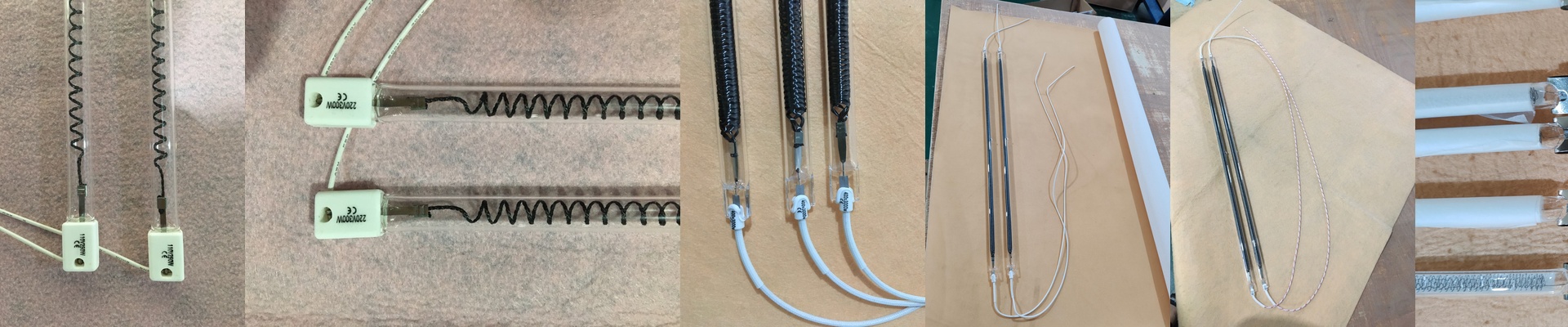
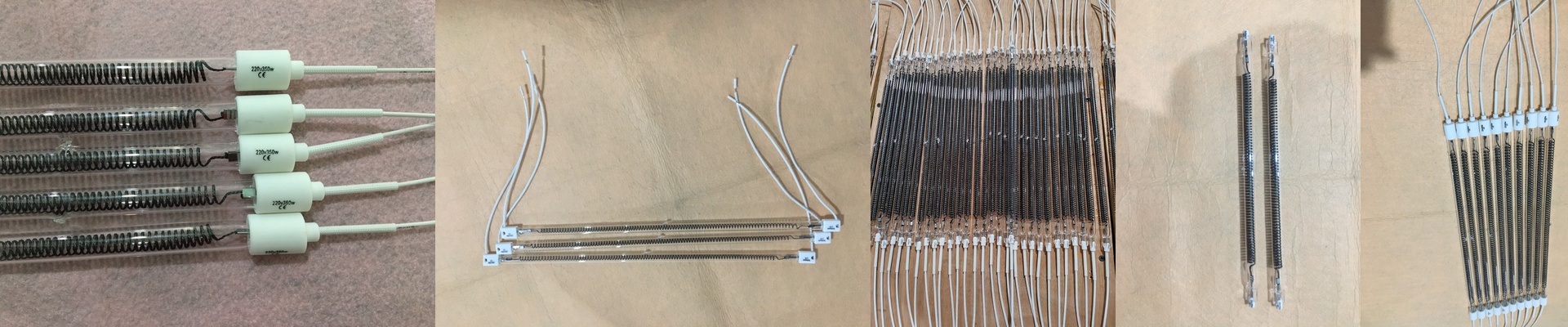
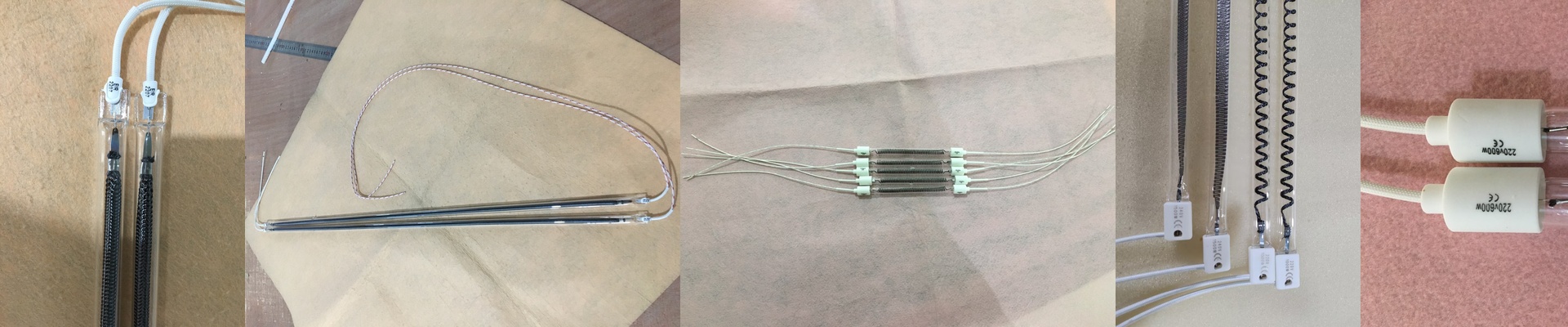
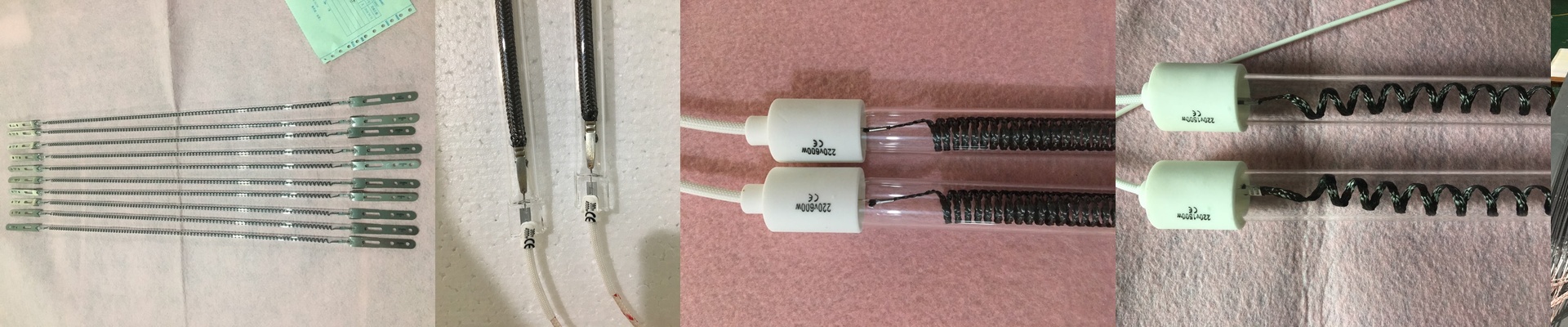
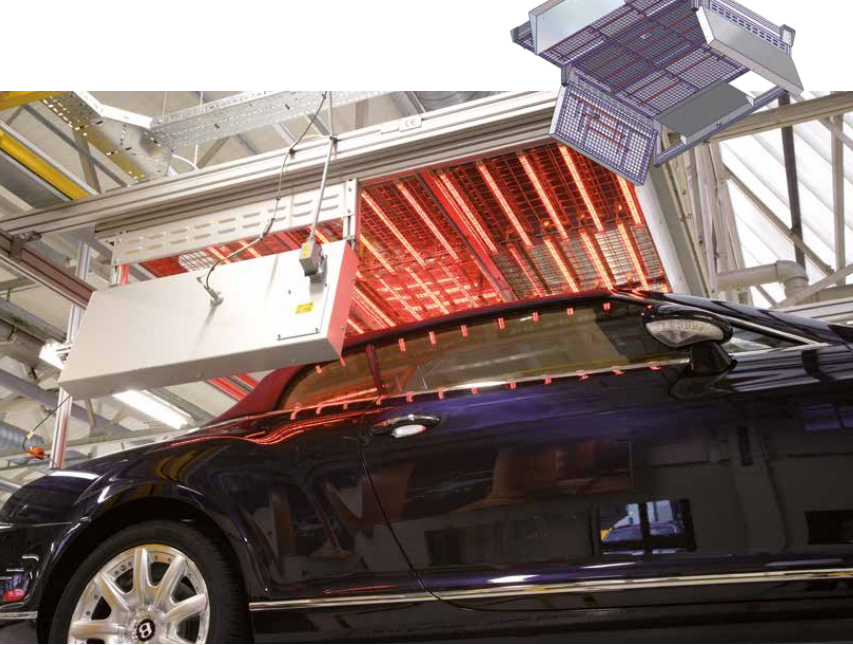
That annoying brake squeal? It usually starts way before the car even hits the road. It actually starts in the curing oven. When your friction materials don’t cure evenly, you end up with internal stress and weird spots of density. Then, the moment that pad hits the rotor, it vibrates. And that vibration is exactly what you hear as a scream coming from the wheels. We fix this by using shortwave infrared (IR) heating. Here’s the thing: standard convection ovens are slow. They heat the outside first and just hope the heat eventually crawls its way to the center. That creates a massive temperature gap between the surface and the core. IR is different. It doesn’t wait around. It penetrates deep into the material and vibrates the molecules directly. Everything heats up at once—core and surface together. To make this work, we use high-wattage quartz lamps. They pack a ton of heat into a small space, meaning you can hit your curing temperatures in seconds. It’s fast. Really fast. And that cuts your batch cycle time way down. But a heads-up on the power side: these arrays pull a lot of current. If your electrical panel isn’t ready for that peak load, you’re going to be tripping breakers every time you ramp up. We usually suggest dedicated circuits for the heating banks. It keeps the voltage steady so you don’t end up with under-cured parts. At the end of the day, it’s all about consistency. We position the lamps to kill off any cold spots on the conveyor. By dialing in the wavelength, we make sure the heat actually hits the resin and metallic fibers in the pad. It takes the guesswork out of the process. You aren’t just crossing your fingers and hoping the heat soaked through; you’re making it happen. You get a solid, stable material with no voids and no uneven shrinkage. Just a quiet brake pad that does its job without making a scene.