Stop Letting Your Curing Tunnel Eat Your Shop Floor
If your brake pad production feels sluggish, it’s probably because you’re relying on convection heat. Let’s be honest: air is a terrible conductor. It’s slow. It’s inefficient. And it’s the reason your tunnel oven is probably taking up half your available floor space. If you’re tired of those long lead times, switching to shortwave infrared (SWIR) is the way to go.
Why it actually works
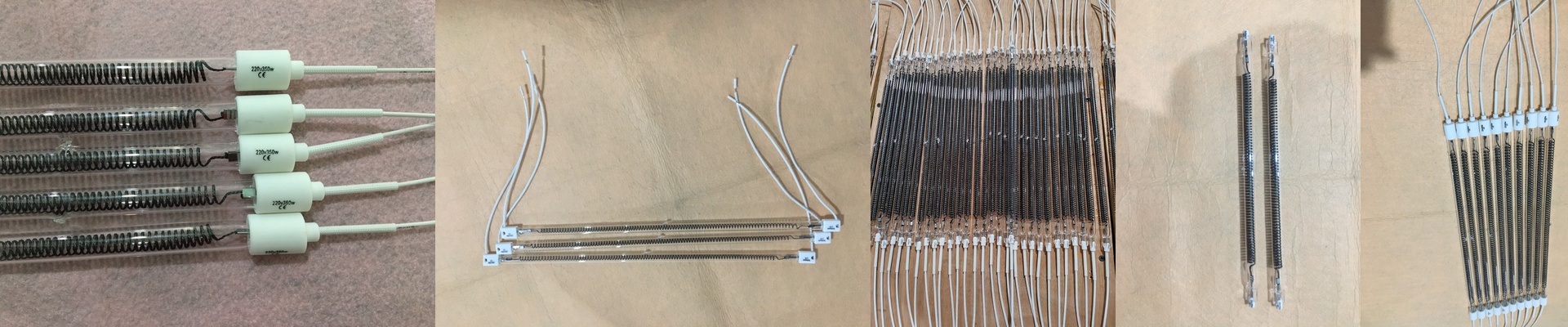
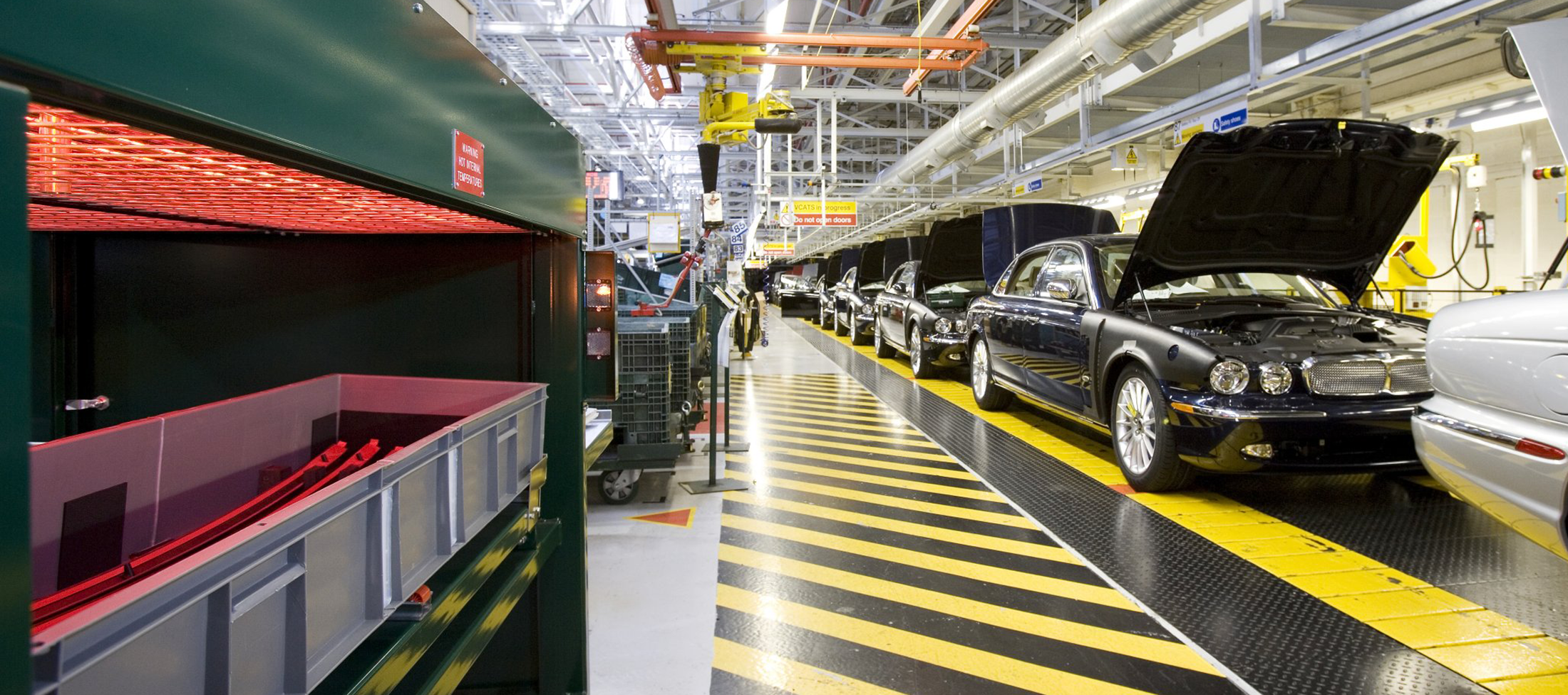
Here is the thing about shortwave IR: it uses radiation, not air. Instead of waiting for the oven walls and the air inside to heat up, the energy hits the coating directly. It’s an immediate transfer. You get to that curing temperature much faster, which means you can seriously shrink the length of your tunnel without losing a single bit of output. In some cases, you might even see your numbers go up.
The nuts and bolts
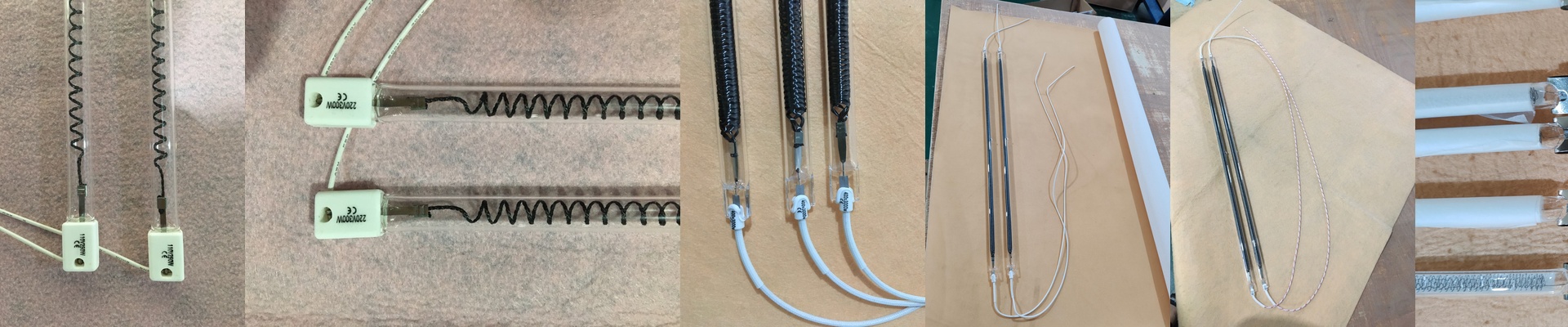
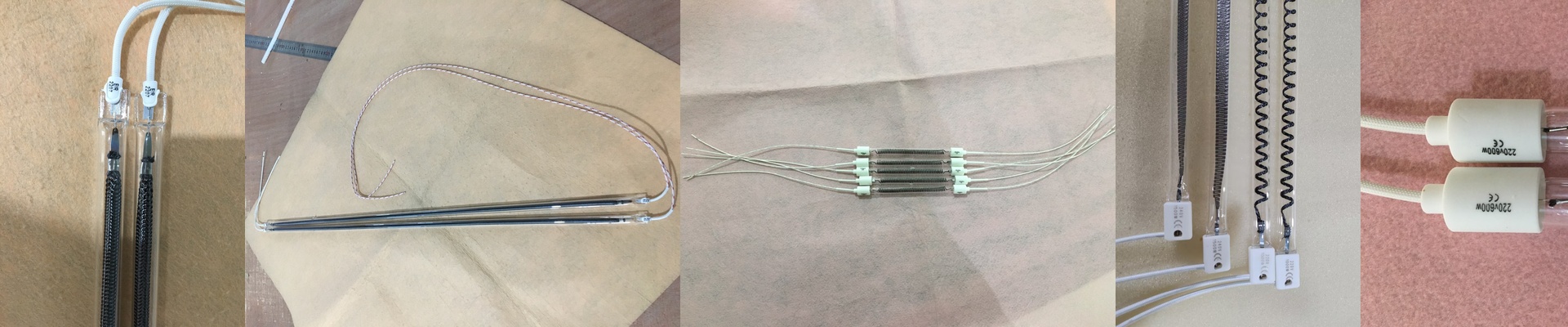
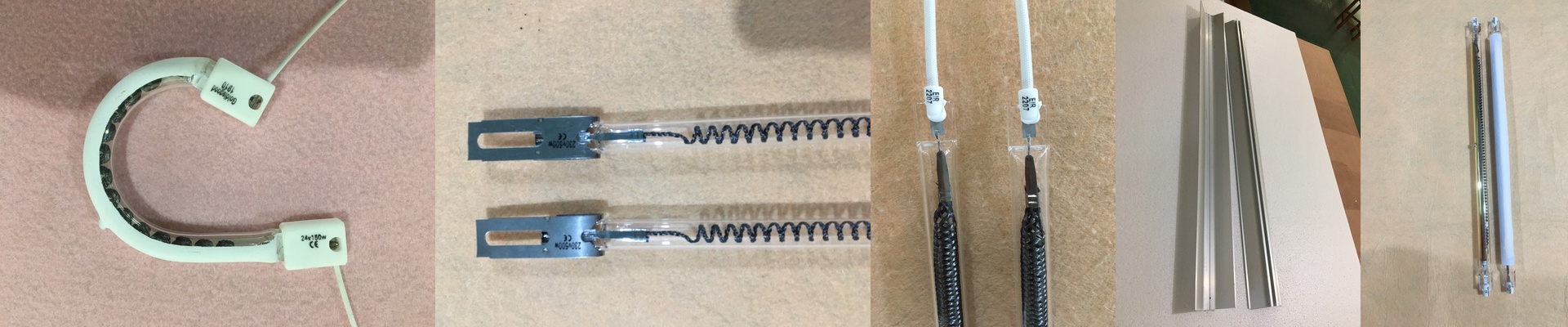
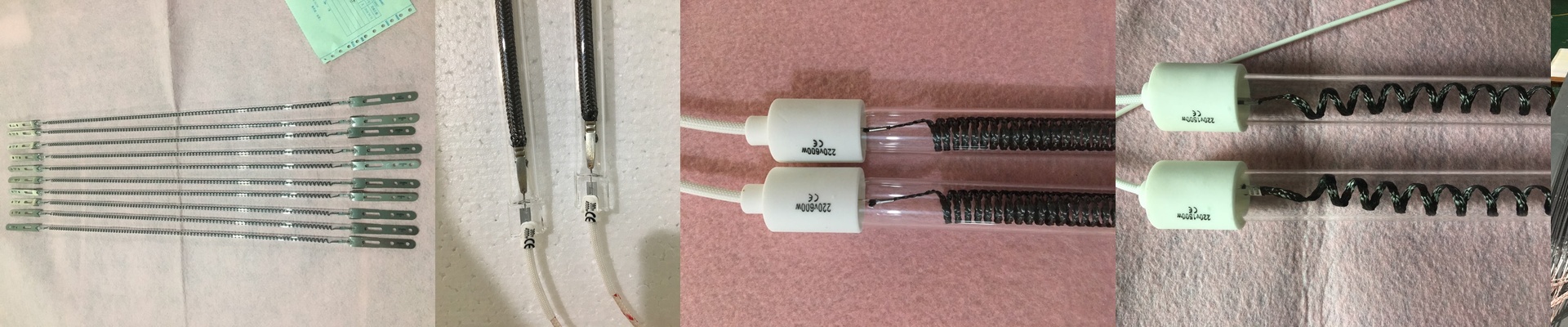
To get the kind of heat density you need for industrial coatings, we use high-wattage lamps that match your voltage—whether you’re on a 230V or 400V system. The more power density you have, the faster those solvents evaporate. We use quartz glass envelopes because they can handle the heat without breaking a sweat. They’re designed to be drop-in replacements for the arrays you already have. You just wire them into your controllers and you’re set. Plus, since they’re halogen IR, they turn on instantly. No more standing around waiting for resistive heaters to warm up.
The trade-offs (because nothing is perfect)
Now, high-intensity IR isn’t some magic trick. You’re pumping a massive amount of energy into a small space. If your belt speed isn’t dialed in just right, you’ll scorch the surface. It’s a balancing act. You have to tune the lamp wattage against the conveyor speed so the core of the coating cures perfectly without burning the top. And one more thing: since you’re pushing through more product, faster, make sure your cooling zones at the end of the line can keep up. You don’t want a bottleneck at the very last step.