Stop the Cracks: A Better Way to Cure Brake Pads
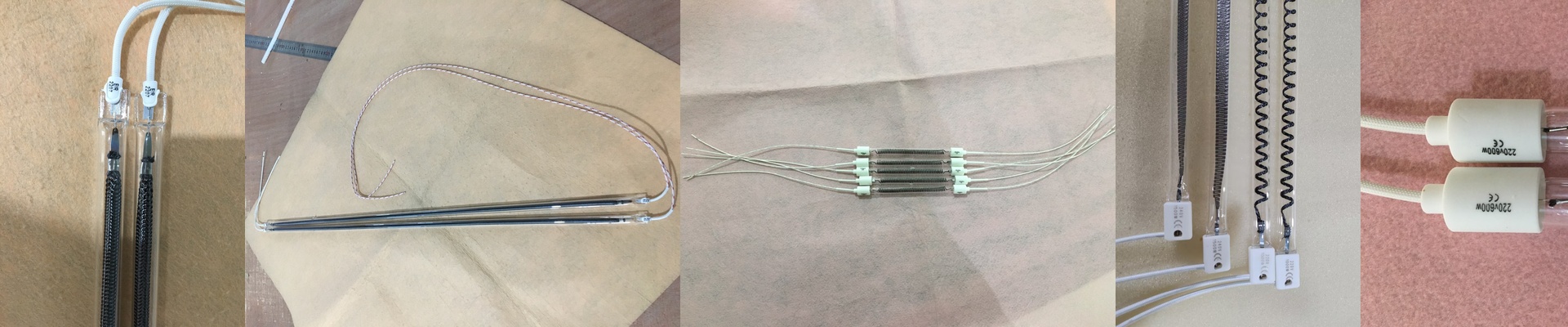
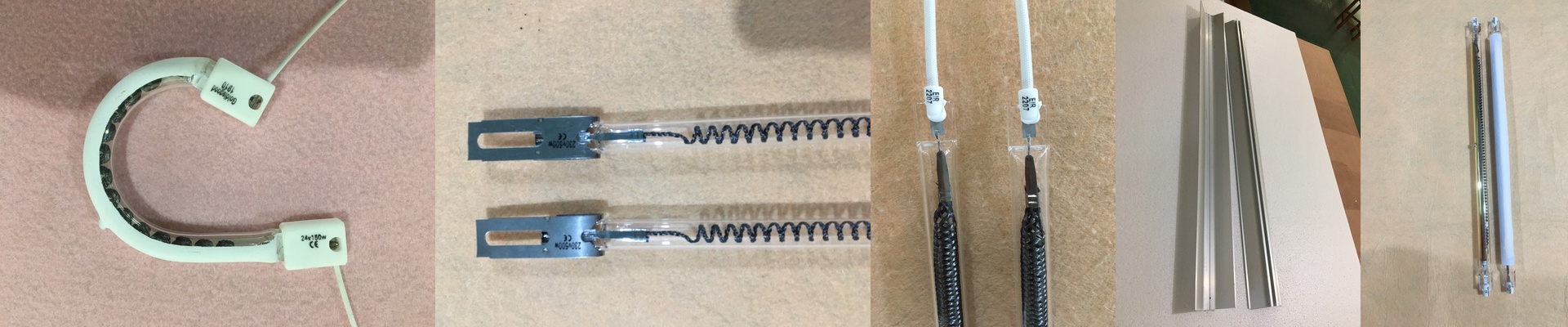
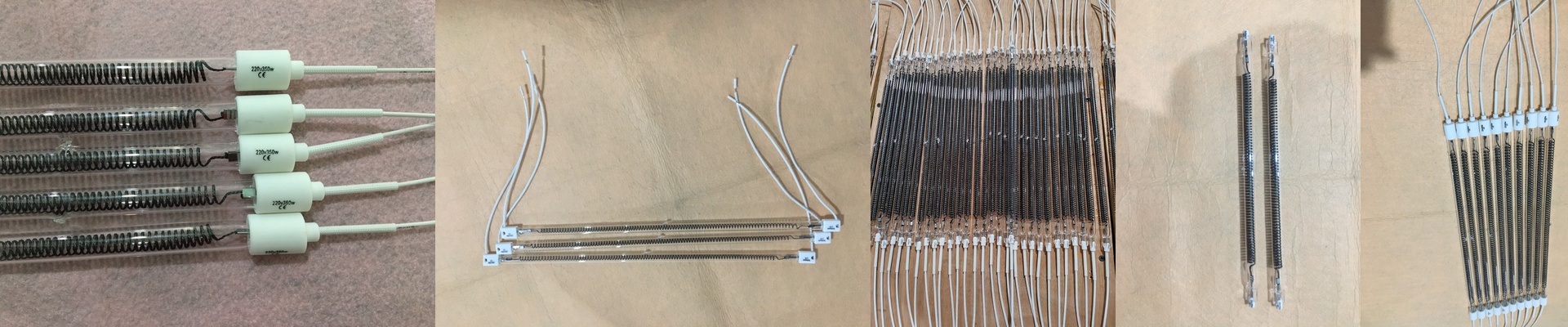
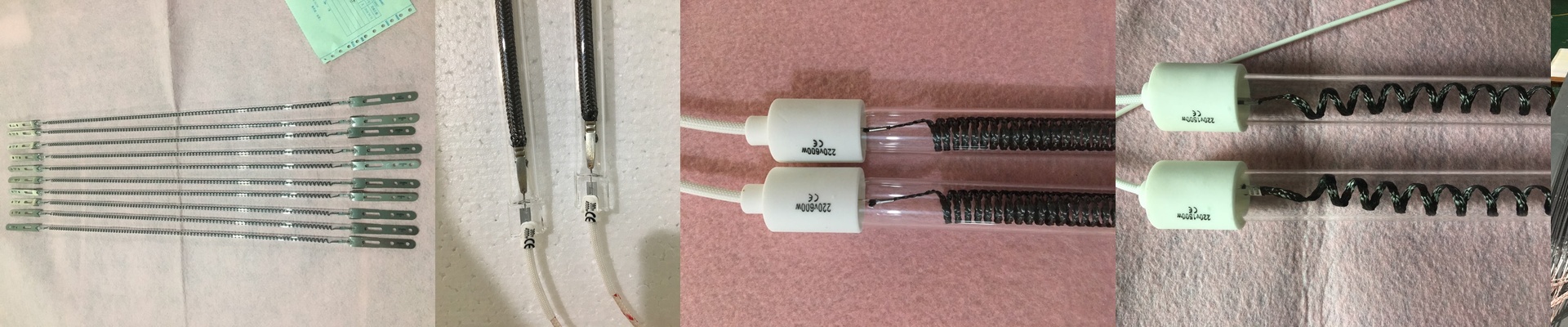
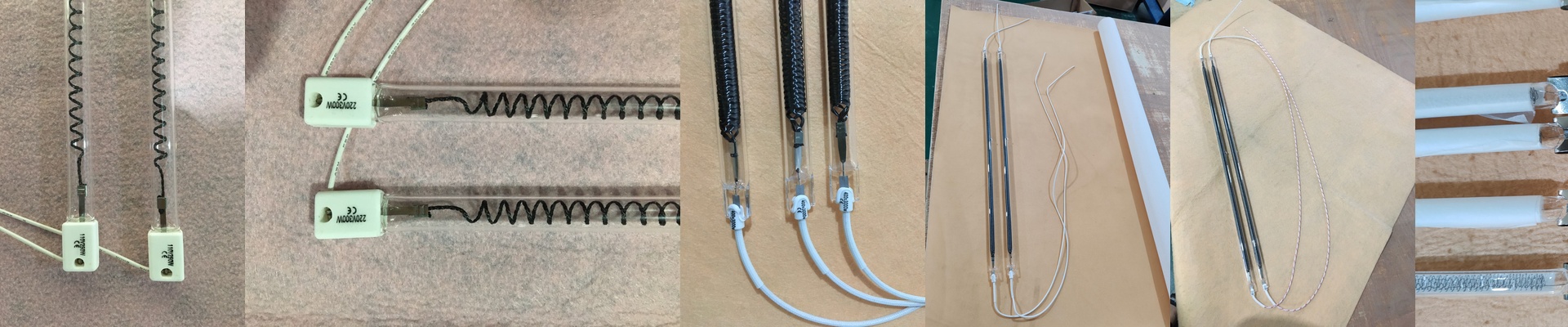
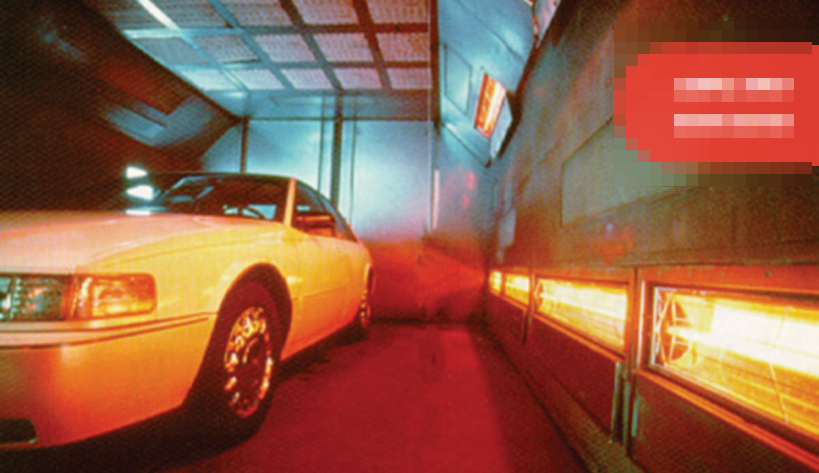
Curing brake pads is a bit of a balancing act. If you crank the heat too fast or hit the surface with uneven radiation, the resin on the outside expands way faster than the core. That creates a lot of internal tension, and before you know it, you’ve got thermal cracks and porosity all over your parts. It’s a headache. But we’ve found a way around it by ditching those old-school convection ovens for precision-tuned shortwave infrared (IR) arrays. Getting the heat where it actually belongs The problem with standard heating is that it’s shallow. You often end up with a surface that’s practically burning while the center is still under-cured. Shortwave IR is different because it actually digs deep into the composite material. By tweaking the wattage and the distance of the lamps, you can make sure the core hits the right temperature without frying the exterior. No more “skin effect,” no more structural cracks. Just a solid, evenly cured pad. Avoiding the shock Thermal shock is basically what happens when the temperature jump is too aggressive. To stop that from happening, we use “ramp-soak” profiles. Think of it like this: instead of just flipping a switch from “off” to “full blast,” we use PID controllers to dial the power in. You start with a low-intensity soak to let the whole part warm up evenly. Once everything is equalized, then you ramp up to the peak temperature. It’s a gentler transition that keeps the pad from falling apart. The catch (because there’s always one) Now, IR control is great, but it’s a bit picky. You need a clean shop. If dust or grit builds up on those quartz tubes, you’ll get hot spots. Those spots can burn out your filaments or leave weird, uneven heat patterns on your pads. You’ve got to be religious about your cleaning schedule. Also, keep an eye on your cooling fans. If they aren’t beefy enough to handle the heat coming off the reflectors, your setpoints will start to drift, and you’re right back where you started.