Stopping the Warp: A Real-World Approach to Automotive Interior Parts
If you’ve ever thermoformed interior car parts, you know the headache of spring-back. You pull a part out of the mold, it looks great for a second, and then—pop—it warps. It shifts. It just refuses to stay put. It happens because the material is still fighting itself. There are internal stresses trapped in the plastic, and the moment it’s free, it tries to snap back to wherever it wants to be. We stopped fighting this by ditching the “blast it with heat” approach and switching to infrared (IR) zoning.
Why “Even Heating” Is a Lie
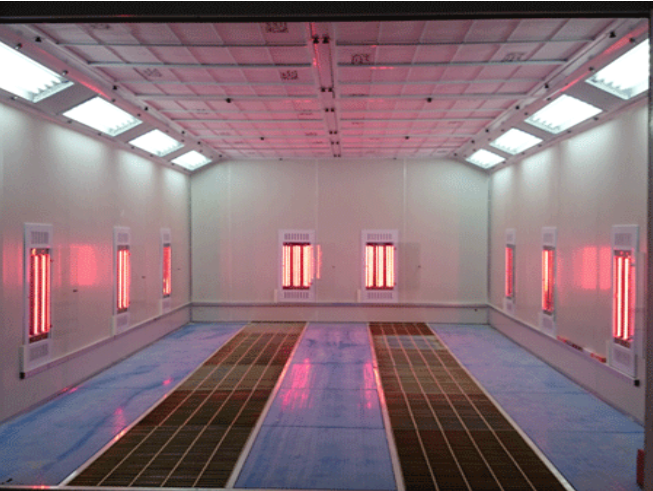
Most people think you want the oven to be one consistent temperature. But for complex car parts, that’s actually a mistake. Think about it. You’ve got thick ribs in one spot and paper-thin edges in another. They don’t soak up heat the same way. If you heat them all the same, the thin parts fry while the thick parts stay cold in the middle. By splitting the oven into independent IR zones, you can actually steer the heat. You pump more energy into those chunky sections and dial it back on the edges. When the material hits that sweet spot—the glass transition temperature—across the whole geometry, the polymer chains finally relax. No more tension. No more snapping back. Just a part that actually stays the shape you designed.
The Power Struggle
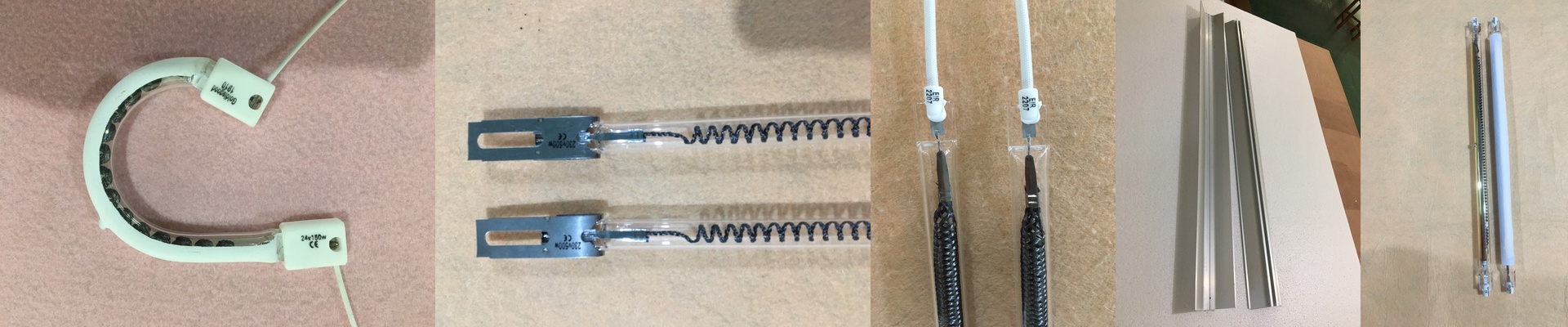
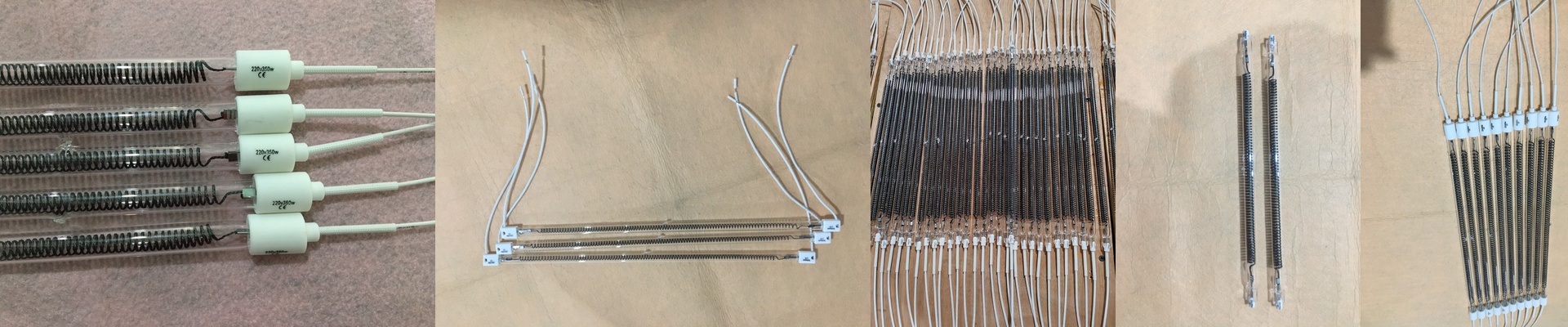
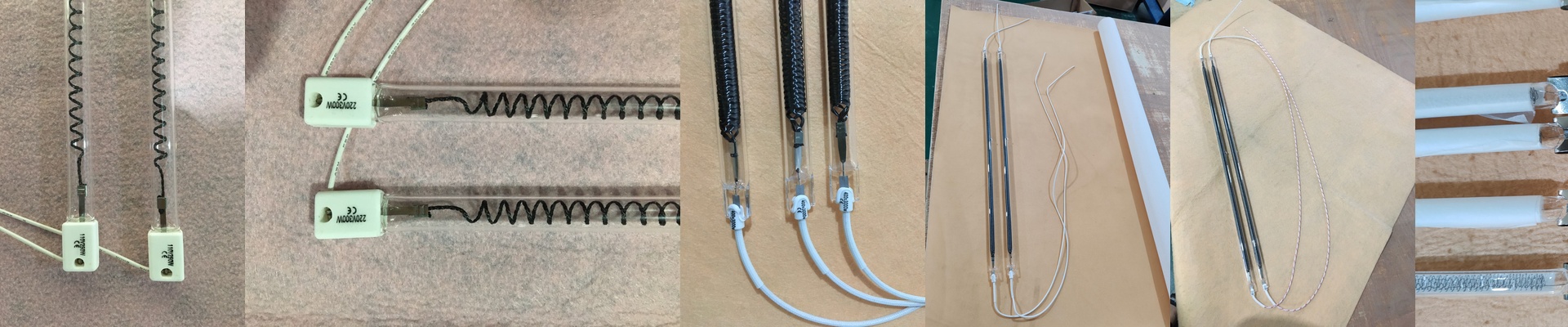
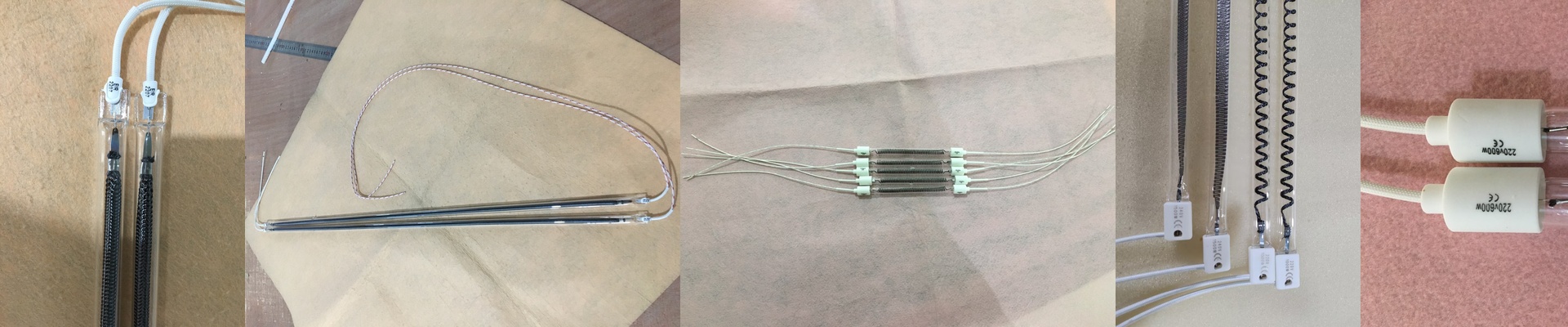
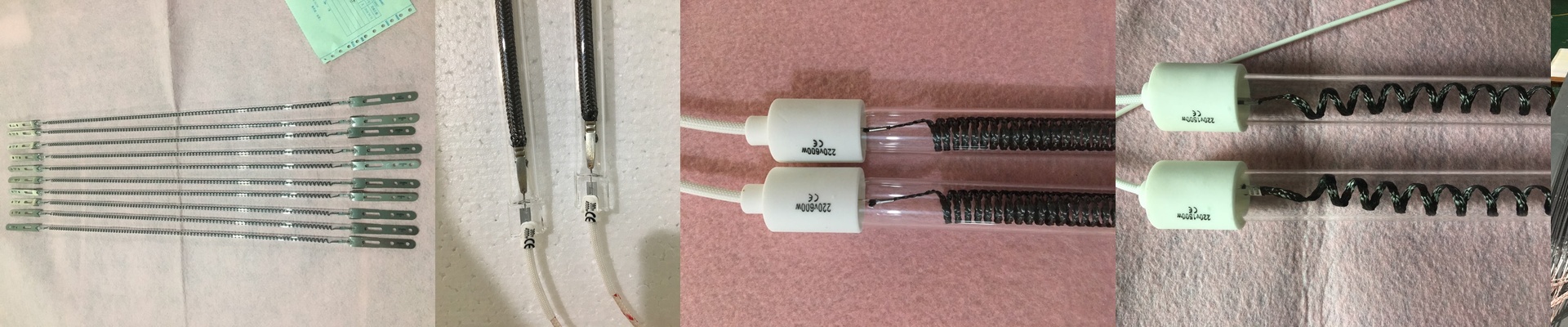
To get that heat deep into the material without wasting time, we use short-wave IR emitters. It’s fast. Really fast. And that’s great for your cycle times. But here’s the catch: this stuff pulls a lot of juice. If you’re running high-wattage lamps across ten different zones, your electrical panel is going to feel it. You have to make sure your wiring is spec’d for that initial peak current. Otherwise, you’ll spend your morning resetting breakers instead of making parts.
The Trade-off
Now, zoning isn’t a magic button. It adds a layer of complexity to your PLC logic. You’re going to spend more time upfront on “heat-mapping”—basically playing with the settings for every single zone until it’s just right. It can be tedious. But look at it this way: you spend a few extra hours on the setup so you don’t have to deal with a pile of scrap on the shop floor. Once you lock in those profiles, the parts just hold. It’s a much better way to work.