Fixing the Bottleneck: Why Shortwave IR Beats Old-School Brake Pad Dryers
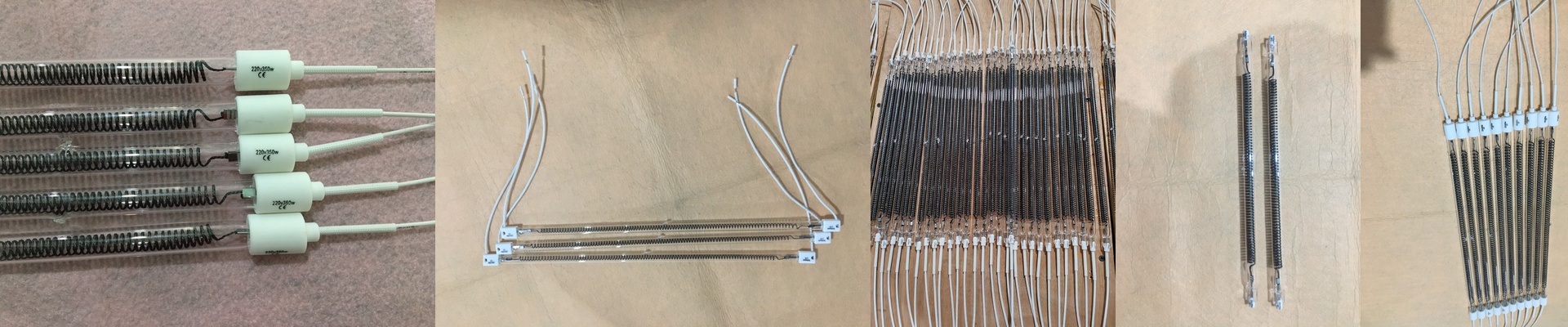
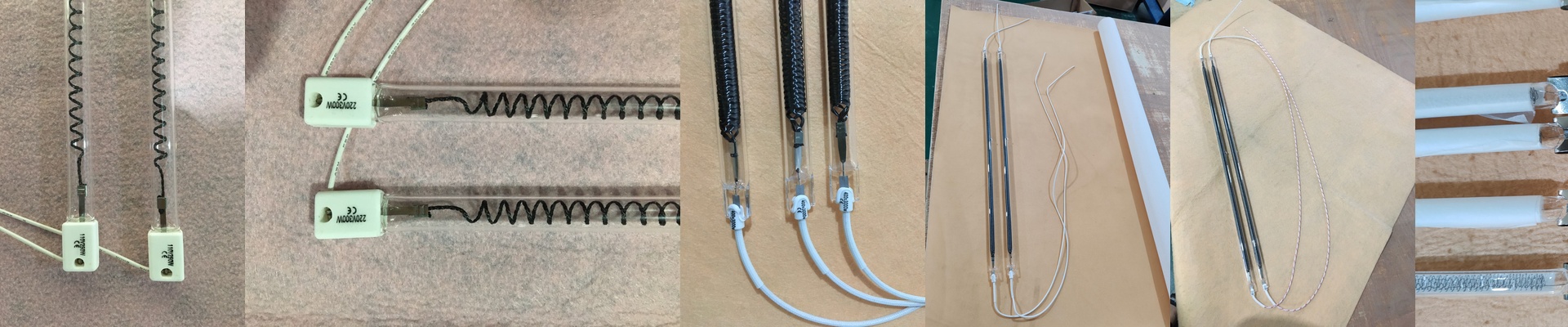
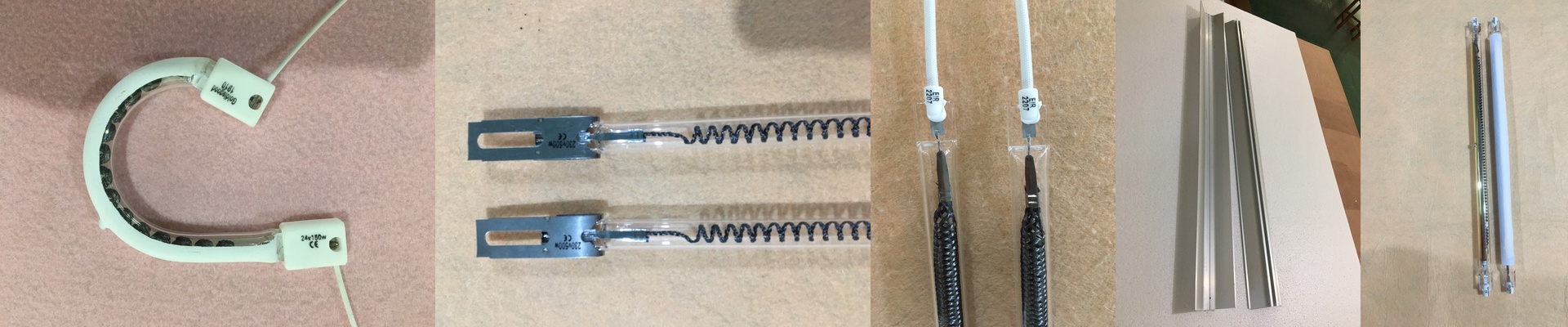
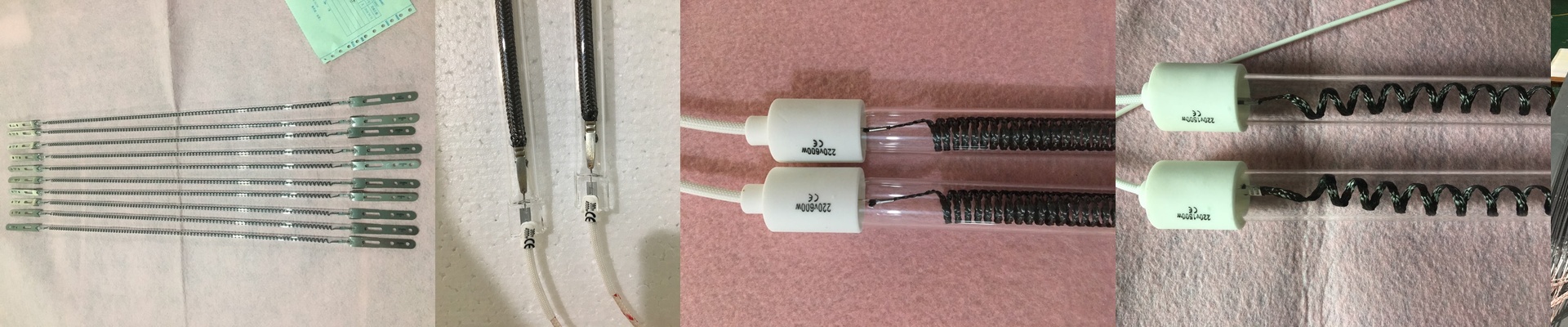
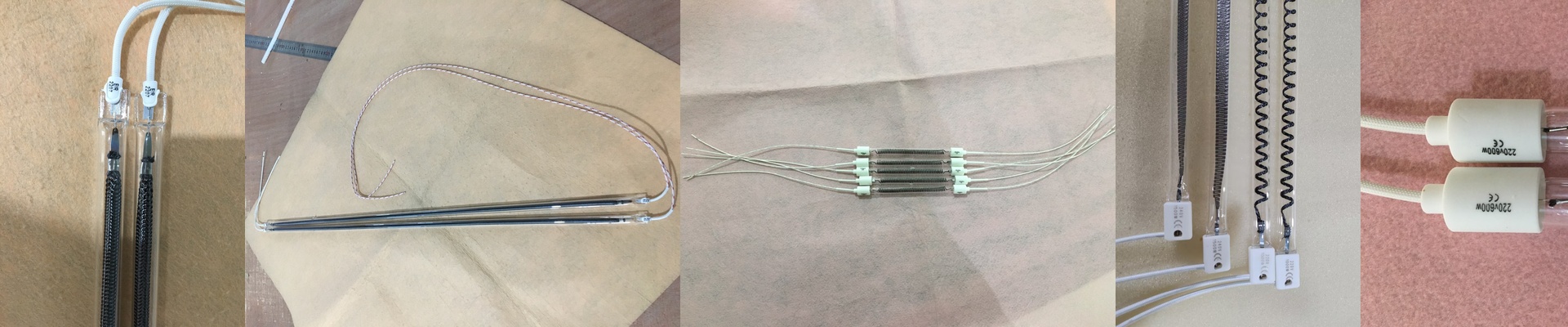
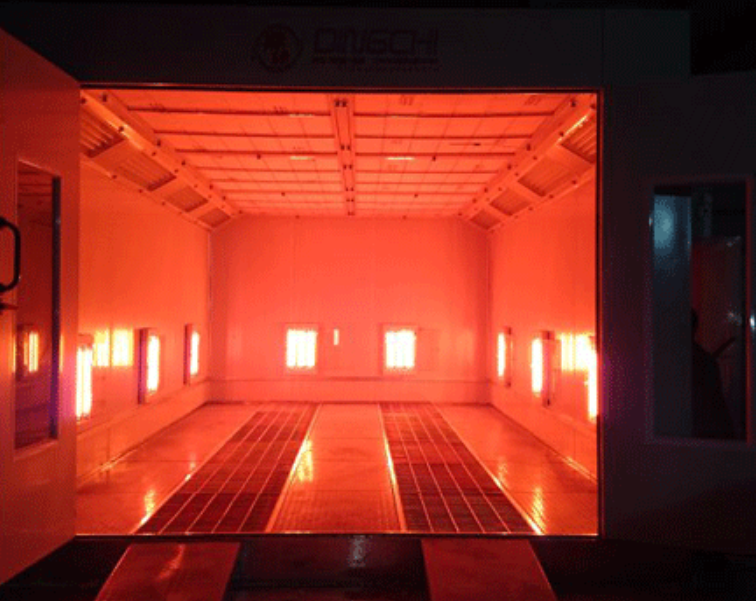
Let’s be honest: standard convection ovens are a drag. They work by heating up the air, which then has to slowly nudge the coating into the right temperature. It’s a waiting game. To make sure the core of the pad actually cures without burning the surface to a crisp, you end up with these massive, sprawling tunnel ovens that take up half the factory floor. We’ve found a better way to handle this using shortwave infrared (SWIR). The secret is in how the heat moves. Instead of waiting for the heat to soak in from the outside, shortwave IR dives straight into the coating and the friction material. The material just absorbs the radiation instantly. It’s fast. Really fast. And that changes everything for your workflow because you can hit your curing temps in a fraction of the time. The best part? You can actually shrink the length of your tunnel oven and still push out the same amount of product. Getting the gear right To make this work, we use high-wattage quartz halogen lamps. They pack a ton of heat into a very small space. If you’re running a high-volume line, just a heads-up: make sure your power supply can handle that initial surge when you flip the switch. One thing to keep in mind: these lamps run hotter than the medium-wave stuff. You’ll want to double-check that your oven housing and conveyor supports can take the heat. If your cooling fans are old or underpowered, you might see the oven frame start to warp. Not a great look. What this actually does for your shop When you switch to IR, the “dwell time”—that annoying window where pads just sit there waiting—drops significantly. You can either crank up your parts-per-hour or reclaim some much-needed floor space. Setting it up isn’t a headache, either. Most of our IR arrays are basically drop-in replacements for those clunky old gas or electric coils. You hook them up to a PID controller to manage the temperature zones. It gives you way more control. No more over-curing, which means your pads won’t get brittle or crack when they’re actually put to work on the road.