Stop the Warp: A Better Way to Handle Spring-Back in Auto Interiors
Ever pull a part out of the mold only to watch it slowly twist or pop out of shape right in front of you? It’s frustrating. That “spring-back” happens because the material is still fighting you. There are internal stresses trapped inside the plastic because it wasn’t heated evenly. If you don’t kill those stresses during the heating phase, the part will always try to return to its original shape. The old way—uniform heating—just doesn’t cut it.
Why Zonal Heating Actually Works
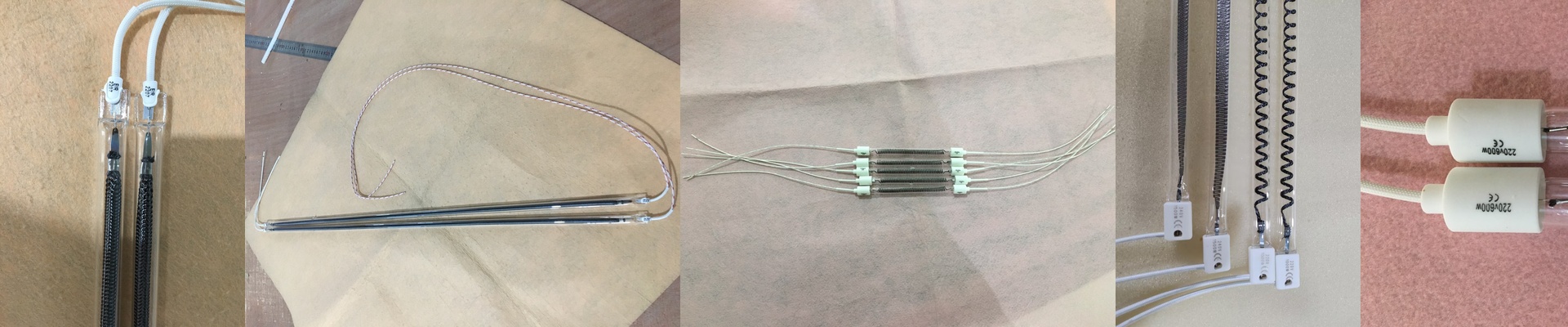
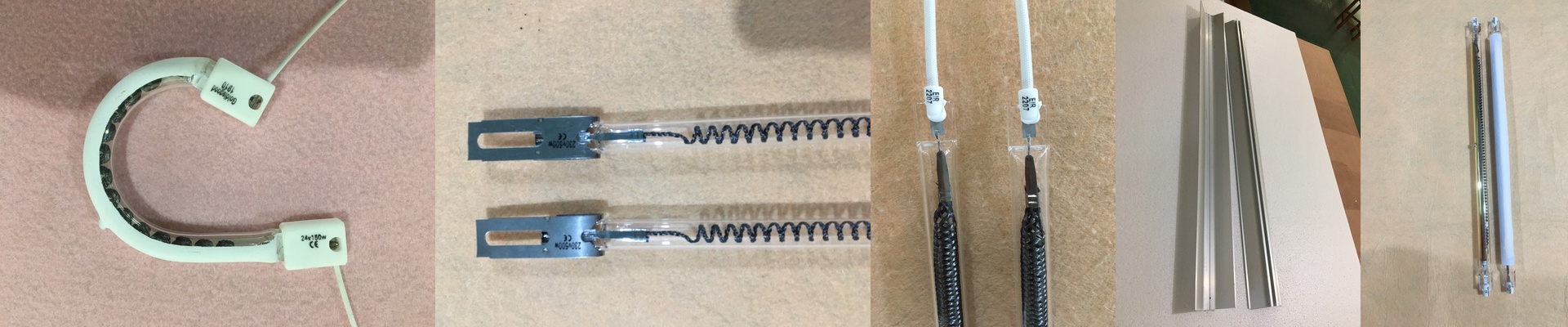
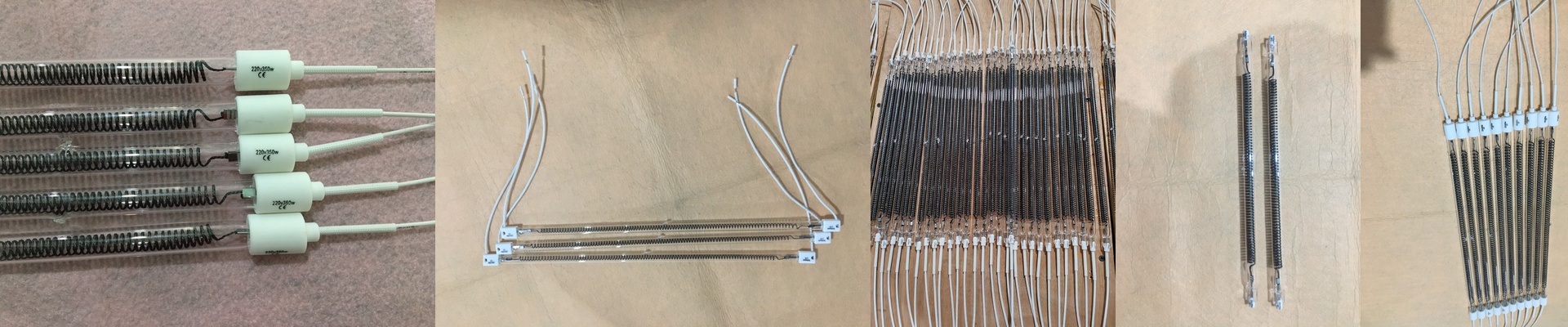
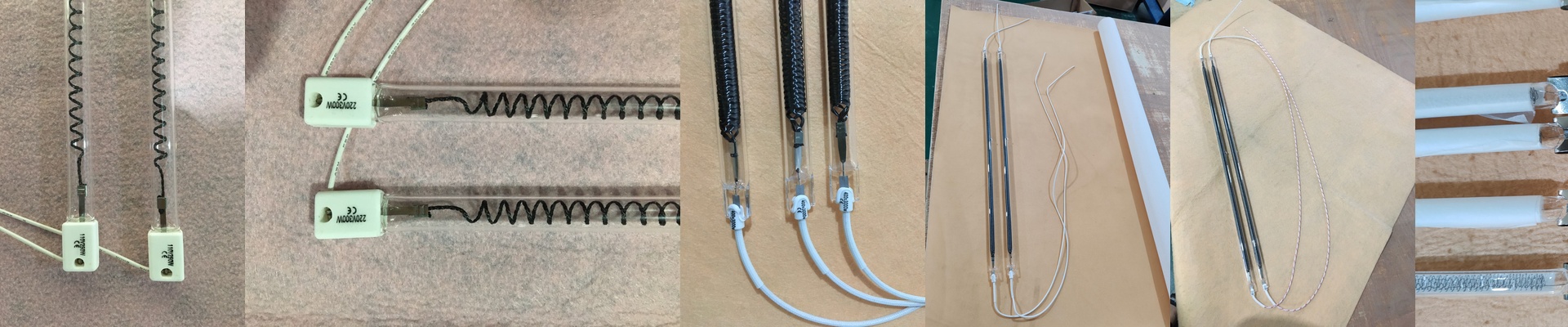
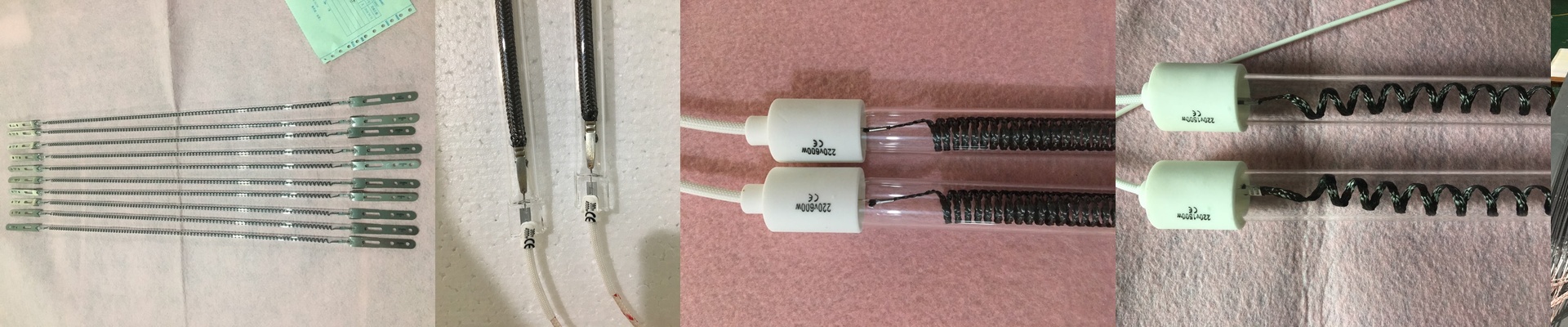
Here’s the thing: standard heaters usually bake the edges while the center stays too cool. That temperature gap is exactly why your parts warp. We tackle this by breaking the heating surface into independent zones. Instead of one big blast of heat, we use custom IR arrays. We can tweak the wattage and pulse frequency for specific lamps, meaning we can put the heat exactly where the stress is highest. We stick with short-wave IR emitters. Why? Because they dig deeper into the polymer. It gets the core of the material up to the glass transition temperature without scorching the surface. You get a deep soak, not a surface burn.
Killing the Stress
To stop a part from bouncing back, you have to make the material relax. Zonal control lets you hold those tricky geometries at a precise temperature. We pair this with fast-response thermocouples and PID controllers so you don’t accidentally overshoot and melt your part. One quick heads-up: pushing more heat density is great for your cycle times, but it hits your power supply hard. Just make sure your electrical panels can handle the peak current when every zone fires at once. You don’t want to trip a breaker in the middle of a run.
The Result: Parts That Actually Fit
When the heat profile is balanced across the whole footprint, the material relaxes uniformly. The result? Your parts stay within those tight tolerances. They just fit. You stop wasting money on scrap and you can finally stop the manual trimming or the “quick fix” reheating. Just a tip: make sure your cooling system can keep up with the new heat input. If the cooling is too slow, you’ll still see some drift. Balance the cooling with the IR output, and you’re golden.