Getting Your Brake Pad Curing Right
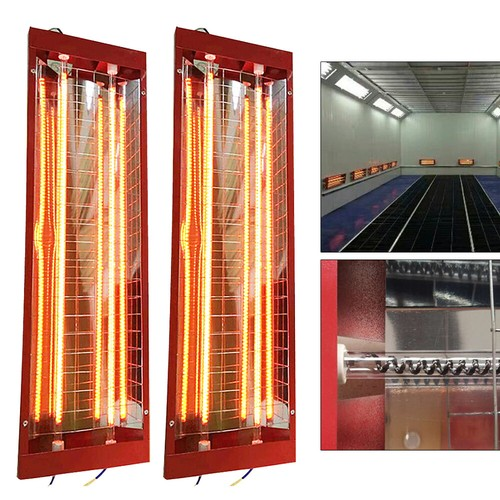
If your heat fluctuates during curing, you’re asking for trouble. You end up with resin that doesn’t set properly, which is a fast track to brake fade or, worse, a total structural failure. Nobody wants that on their hands. To keep a line humming 24/7 without constant stops for dead lamps or power dips, we rely on IR modules built specifically for the long haul.
Dealing with Power Swings
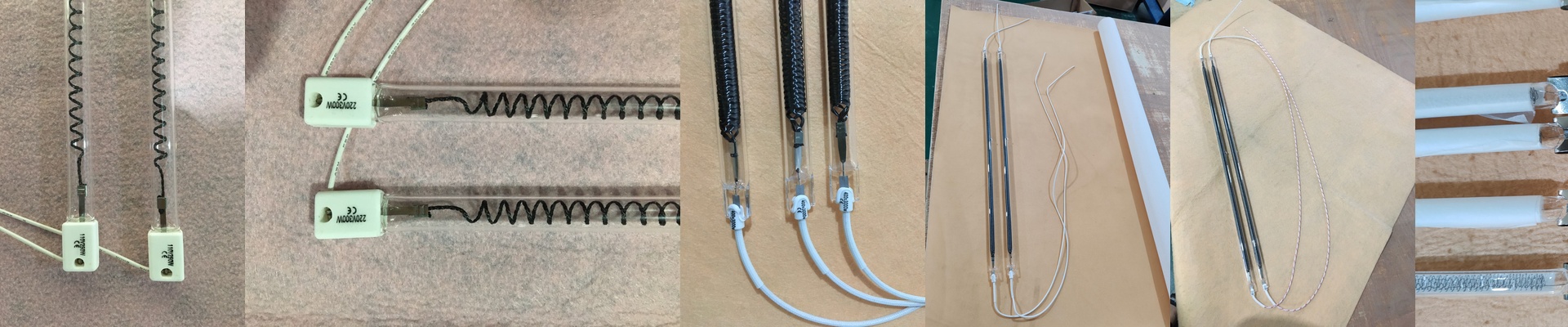
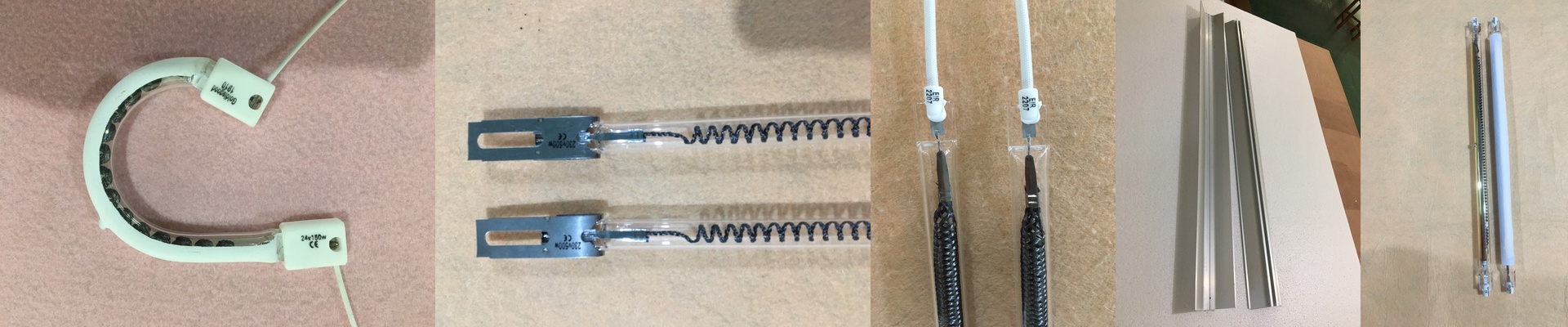
Here’s the thing: most standard IR heaters start to drift as they get older, or they freak out when there’s a voltage spike. It’s a headache. We fix this by using industrial-grade quartz elements with filaments that actually stay stable. When you pair those with a closed-loop PID control system, the wattage stays dead-on. No more “cold spots” in your conveyor ovens. We also go with high-density shortwave IR. It punches through the friction material fast. That means you don’t have to crawl your line speed just to make sure the core of the pad is actually cured.**It’s fast. Really fast.**And that changes your whole output.
Gear That Actually Lasts
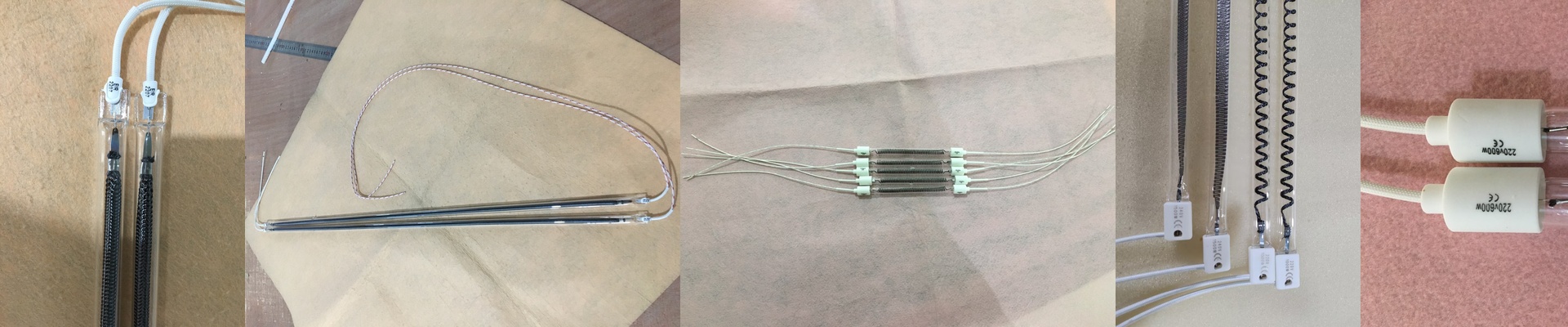
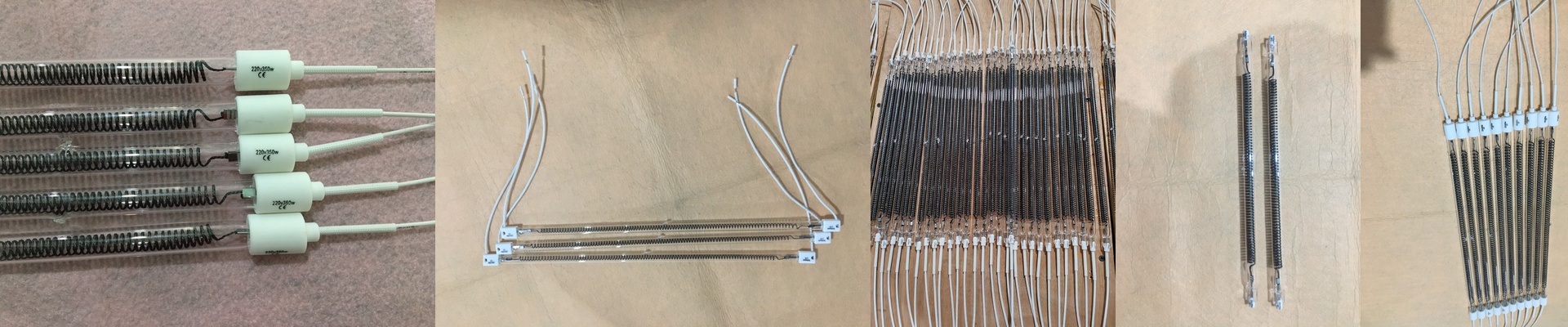
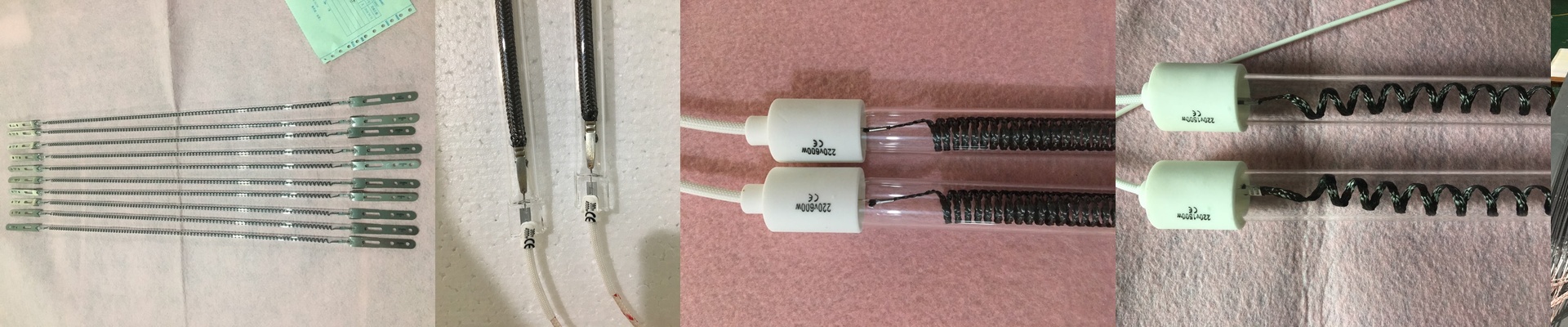
We build these things to take a beating. The quartz glass is reinforced because production lines vibrate, and things shake. We also ditched the flimsy connectors. You’ll find heavy-duty terminals here—the kind that won’t wiggle loose when the heat starts expanding the metal. Now, there is a catch. We push the power density high to keep the oven footprint small. But that creates a lot of waste heat around the housing. You’ve got to get your cooling fans and ventilation right. If you don’t, you’re just going to fry your wiring harnesses.
Making Life Easier
These modules are basically drop-in replacements. You don’t have to tear apart your oven frame just to upgrade a heating element. We standardized the mounting brackets and electrical leads, so swapping a lamp is quick and painless. When your power is steady, your parts are steady. You can finally stop fighting those annoying scrap rates and just get the job done.