Stop the Squeal: Why How You Cure Your Brake Pads Matters
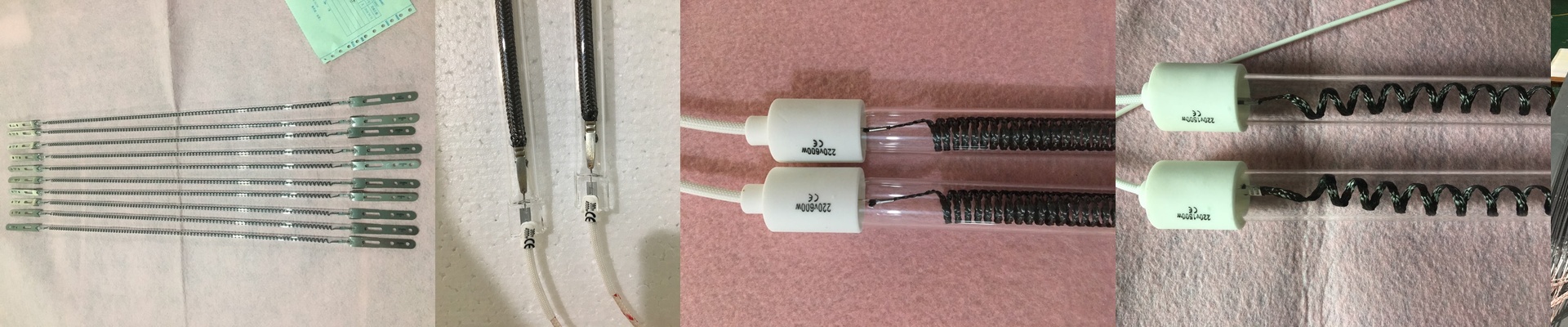
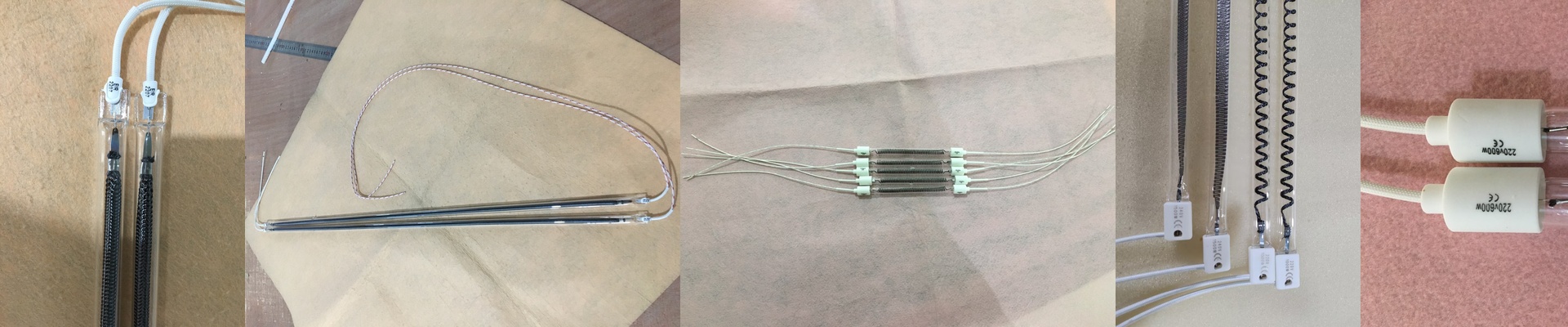
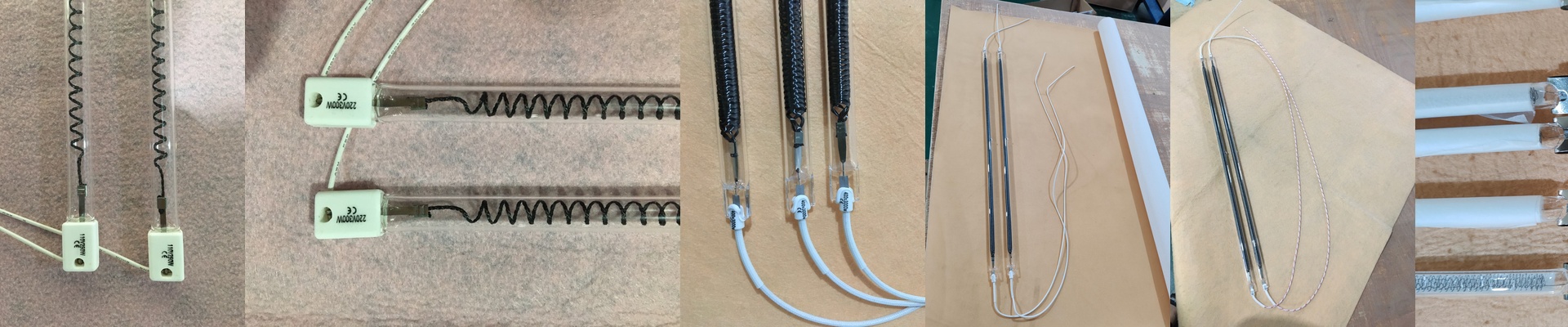
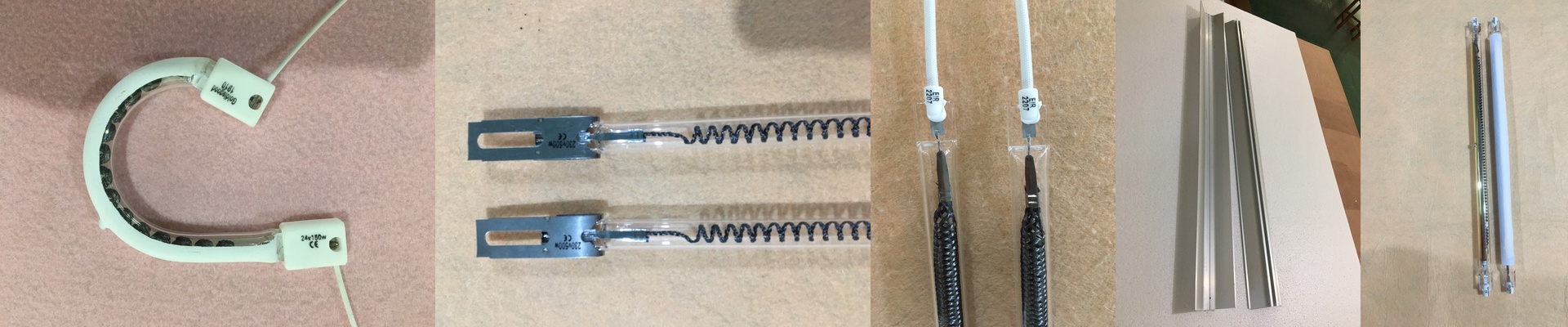
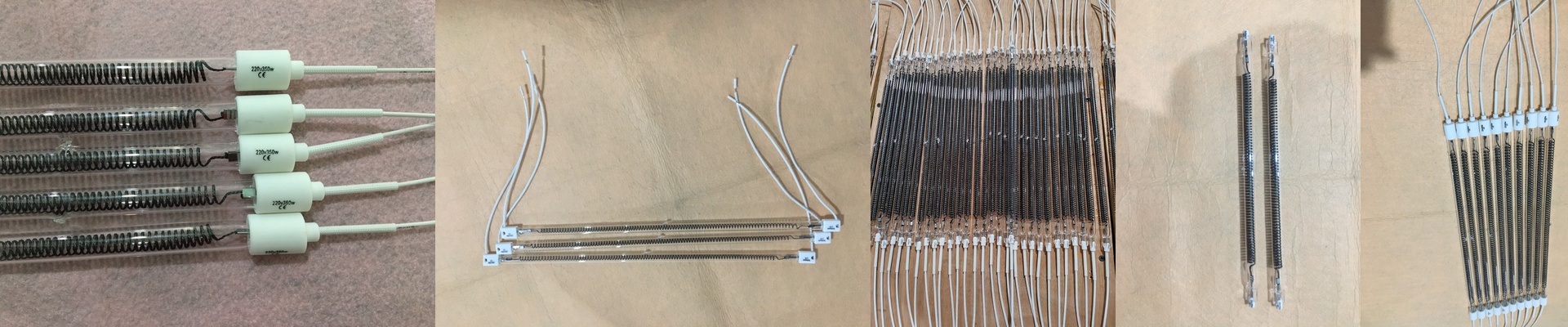
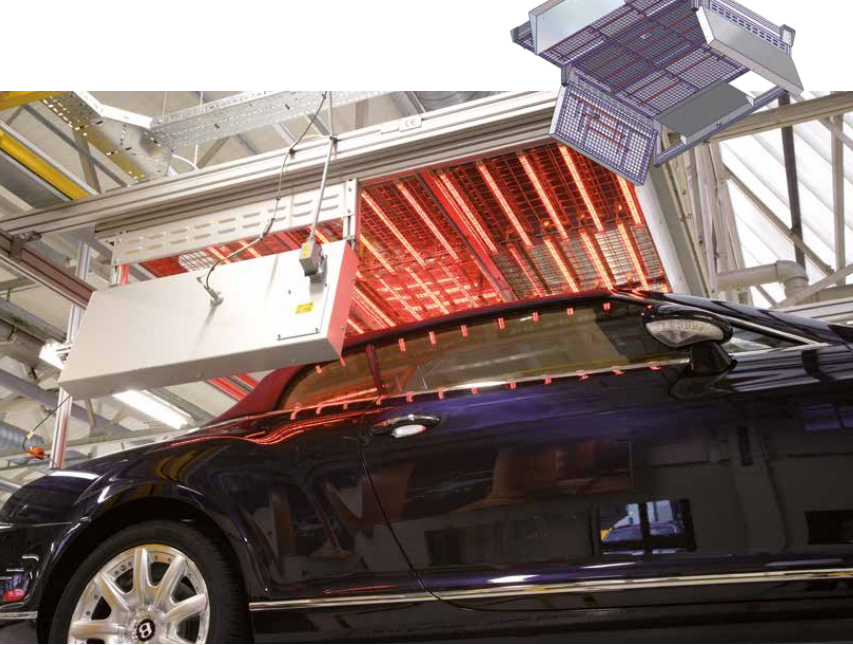
Ever wonder why some brake pads just won’t stop squealing? Usually, it comes down to how they were baked. If you’re using standard convection ovens, you’ve got a problem. The outside of the friction material cooks way faster than the center. It’s like trying to thaw a frozen steak in a microwave—the edges are done, but the middle is still cold. This creates internal stress and weird density gaps. When that pad hits the road, those inconsistencies cause vibrations. And that’s the noise you hear. Getting the heat where it actually belongs We do things differently. We use short-wave infrared (IR) lamps. Instead of just blowing hot air around the part, IR radiation actually sinks into the material. It hits the resin at its own natural frequency, meaning the core of the pad gets just as hot as the surface. You end up with a solid, uniform piece of material from top to bottom. No weak spots. No surprises. The balancing act To make this work, we use high-voltage quartz tubes. These things pack a massive amount of energy into a tiny space, which is great for speeding up your cycle times. But you have to be careful. It’s a lot of heat. If your conveyor is moving too slowly or the lamps are sitting too close, you’ll scorch the surface before the center even wakes up. It takes a bit of tweaking with the speed and distance to get it just right, but once you hit that sweet spot, it’s magic. Keeping things running We know these lamps live in a rough environment. That’s why we kept the design simple. We use standard connectors so your team can swap a lamp out quickly without hunting for weird adapters. We also use quartz glass because it can handle the shock of heating up and cooling down rapidly without cracking. One pro tip: keep an eye on your reflectors. Every few months, give them a look. If dust builds up on the mirrors, your efficiency tanks. The lamps have to work harder and run hotter to do the same job, which just wears them out faster. When you get the curing right—all the way through to the core—the instability disappears. And when the material is consistent, the noise finally stops.