Getting Your Brake Lining Curing Right: It’s All About the Lamp
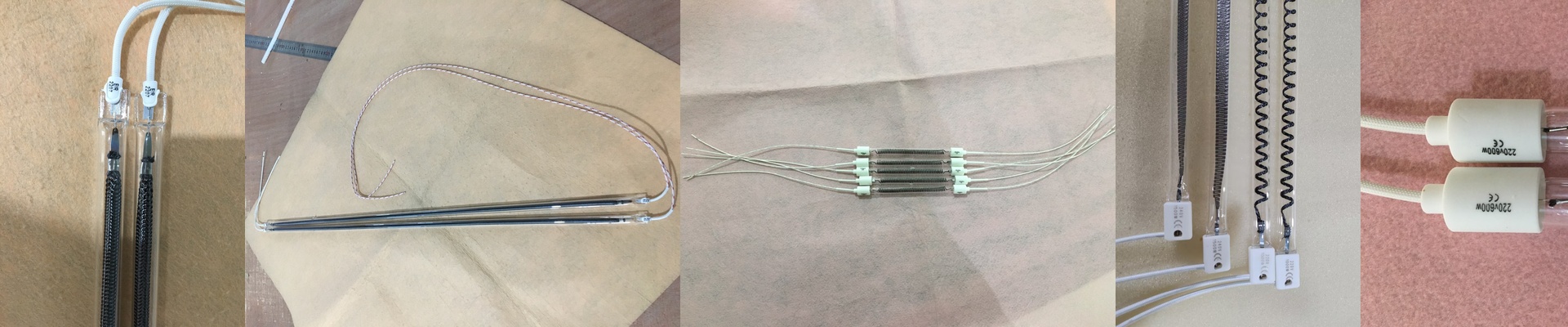
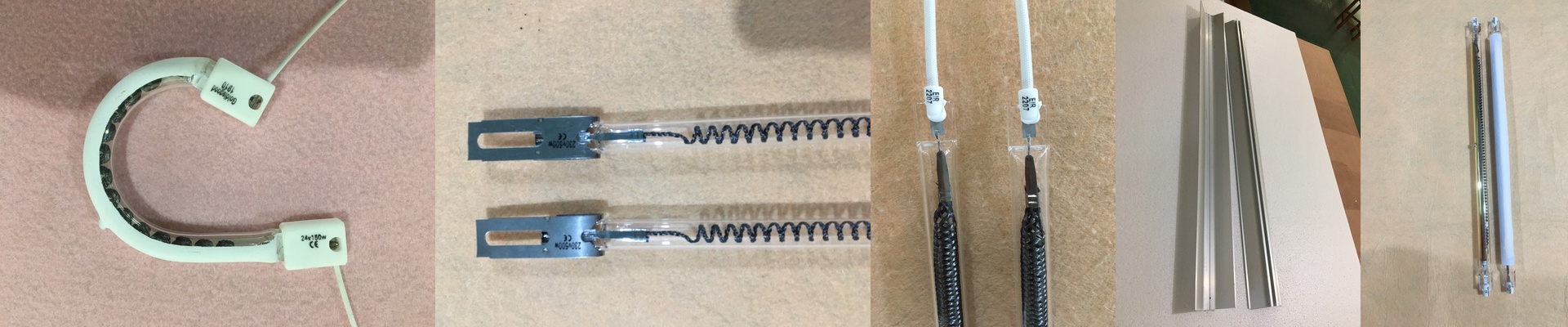
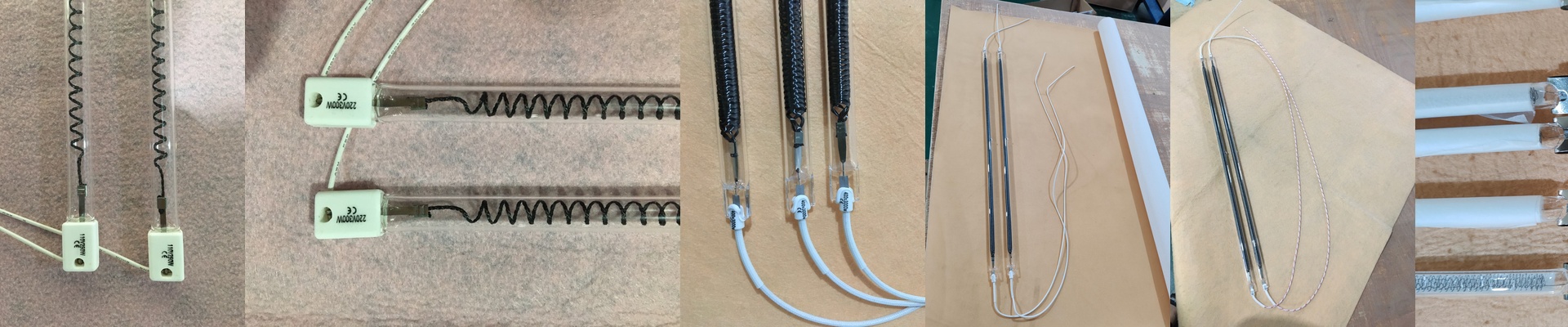
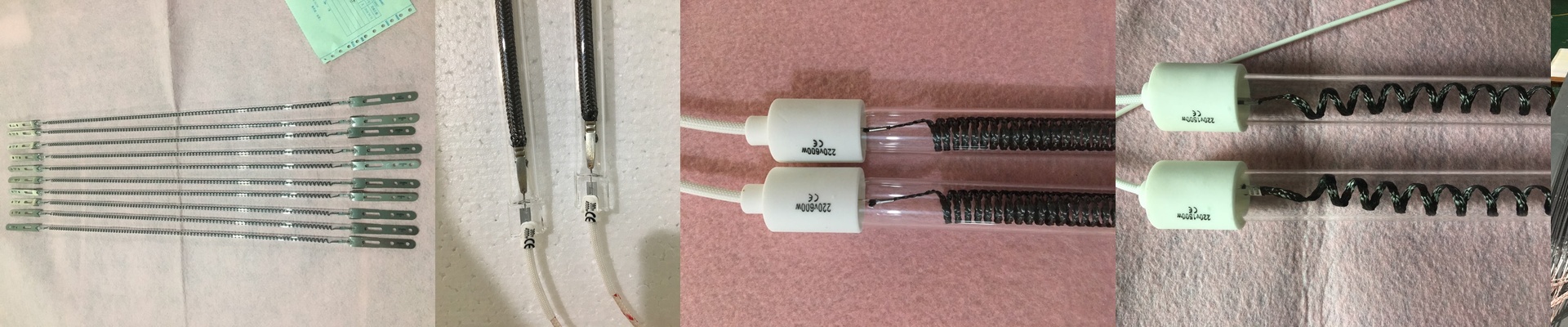
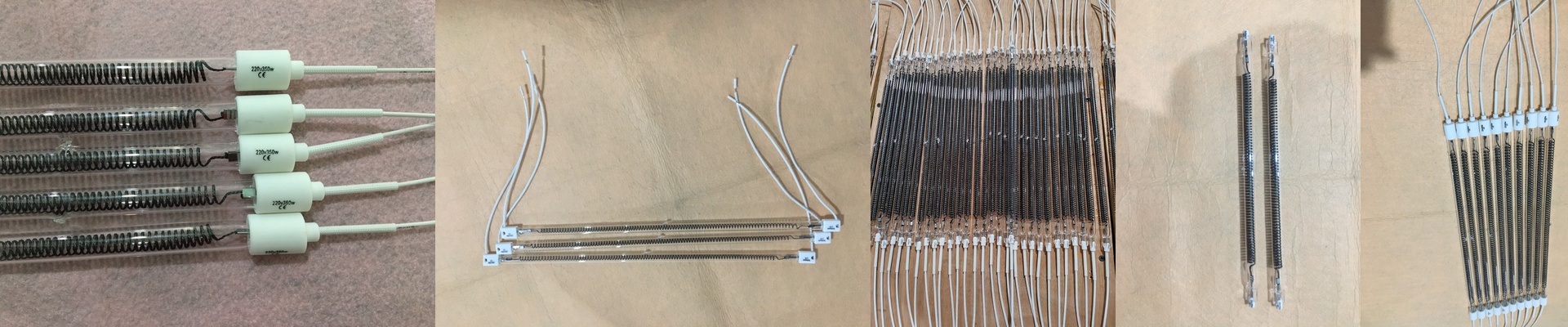
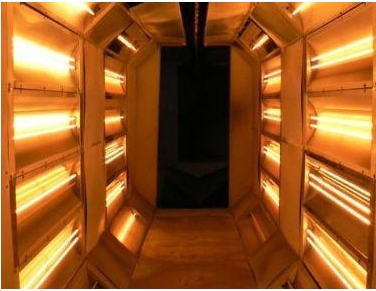
Here is the truth about curing brake linings: you can’t just throw the same heat at everything and hope for the best. If you treat ceramic pads the same way you treat semi-metallics, you’re asking for trouble. You’ll either end up with a core that’s barely cured or a surface that’s completely scorched. It’s a frustrating place to be. The secret is making sure the infrared wavelength actually matches what the material is made of, so the heat sinks in instead of just bouncing off. The Wavelength Struggle Semi-metallic pads are tricky. Because they’re packed with metal, they tend to reflect energy. To fight that, we use short-wave infrared (SWIR) lamps. They basically force the heat deep into the friction material where it belongs. Ceramics are a different story. With those, we tune the output carefully. Why? Because if you overdo it, you get surface glazing, and that ruins the pad. It really comes down to the specific resin mix you’re using—the lamp needs to speak the same language as your chemistry. The Hardware Side of Things We build these lamps with high-purity quartz tubes. They have to be tough because the thermal cycling in a curing oven is brutal. Depending on how much space you have, we can tweak the wattage and voltage to get the heat density just right. Now, high-wattage tubes are great if you’re running a high-volume line and need things to ramp up fast. But there’s a catch. If you cram too much power into a short tube and your voltage regulation is sloppy, you’re going to burn out your filaments. It’s a headache you don’t want. Just make sure your power supplies can handle that initial inrush current without spiking. Keeping Things Running We use standard connectors, so these are simple drop-in replacements. If a tube pops, you can swap it out in a few minutes without having to rewire your entire rack. One pro tip: install quartz shields. It sounds like a small detail, but it saves your skin. These shields stop curing resins from splashing onto the tubes. Without them, you get hot spots, and your lamps die way sooner than they should. And for heaven’s sake, keep them clean. Even a thin layer of dust can kill your heat output by 15%. It’s a simple fix that makes a massive difference.