Stop the Cracks: Getting Brake Lining Curing Right
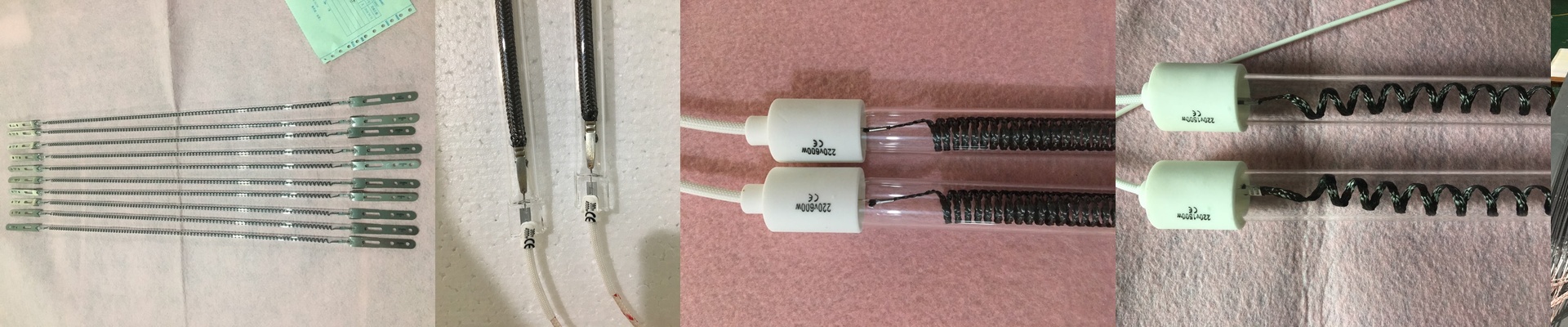
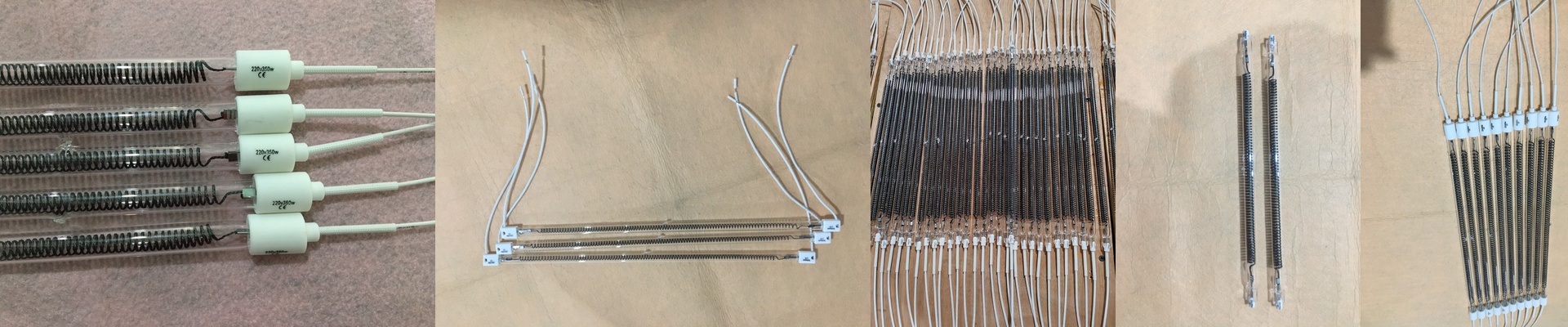
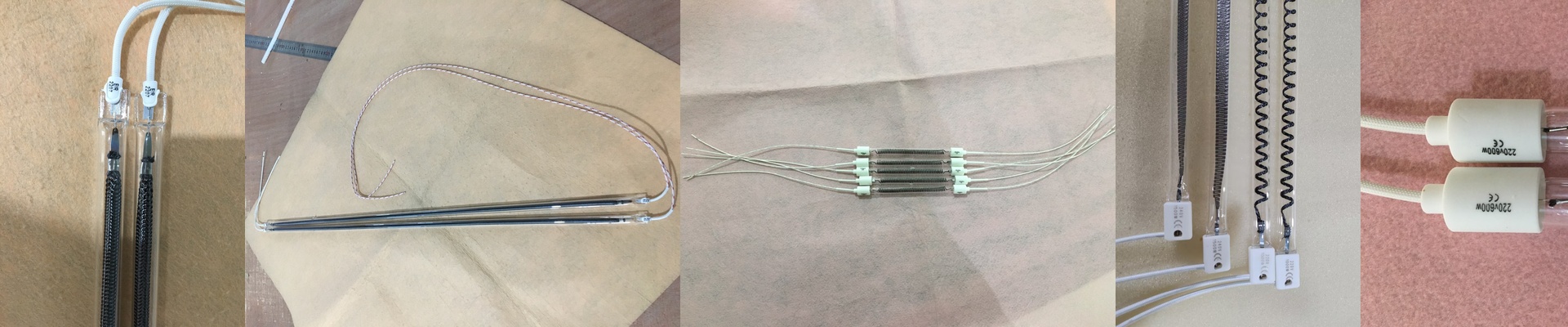
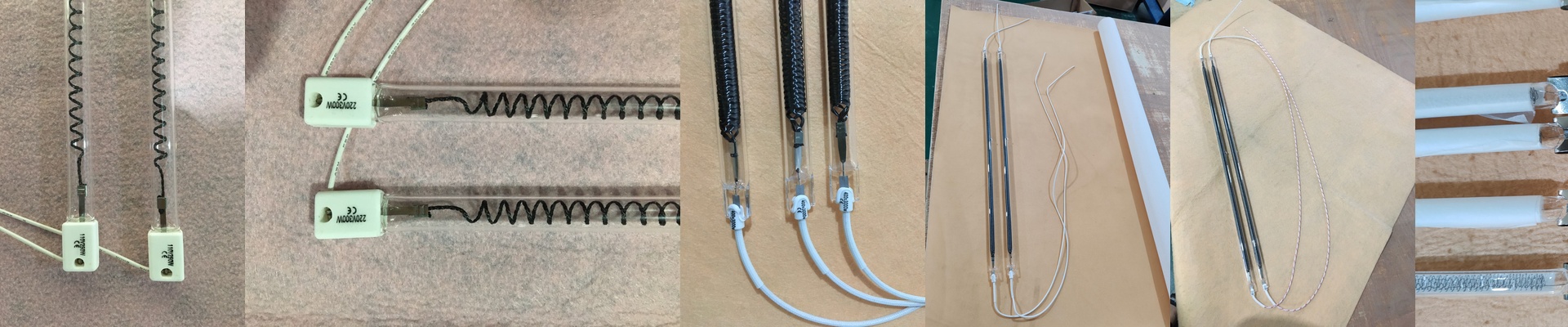
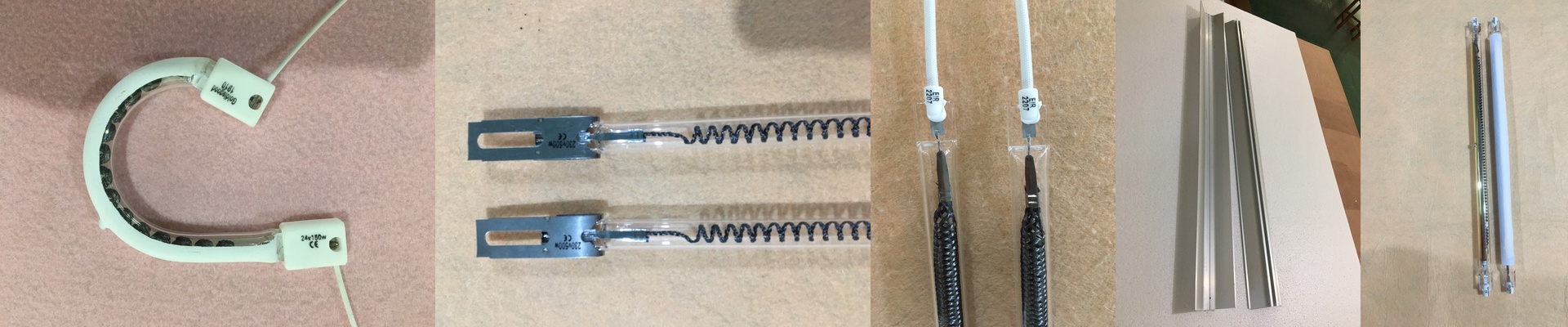
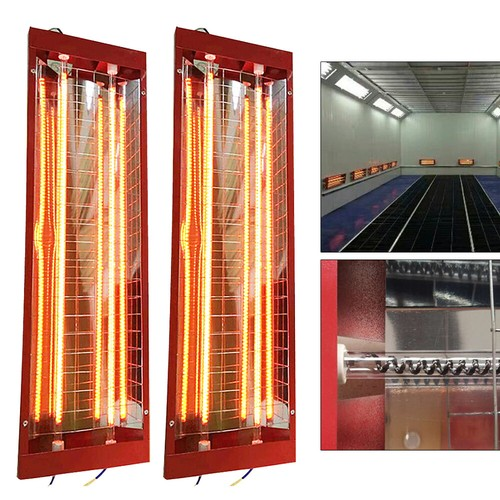
Curing brake linings is a bit of a balancing act. If you crank the heat too fast, the surface cooks while the core stays cold. That temperature gap creates a ton of stress, and before you know it, you’ve got surface cracks and tiny holes—porosity—all through the material. It ruins the structural integrity, and nobody wants that. We’ve found that shortwave infrared (IR) lamps are the best way to handle this. They let us control exactly how deep the heat goes and how hard it hits. It’s all about the ramp-up To keep those cracks away, you can’t just flip a switch to “high.” You need lamps that you can dim or divide into zones. Now, high-wattage quartz lamps are great because they get you to your target temperature quickly. But the secret is in the climb. If you shock the resin by pushing too many watts too fast, the volatile gases get trapped inside because they can’t escape in time. That’s how you end up with those annoying pores. You’ve got to match your power density to how thick the lining actually is. Why we stick with quartz We use high-purity quartz glass for a simple reason: it doesn’t warp. These lamps go through brutal heat cycles in the oven, and quartz just takes it. The beauty of shortwave IR is that it doesn’t waste time heating up the air in the oven. It dumps the energy straight into the material. This means your oven can be smaller and your cycles can be way faster. But here’s a heads-up. These lamps react instantly. That’s great for control, but it means if your power supply flickers or your PID controller glitches, your product feels it immediately. Make sure your electrical shielding is solid, or you’ll deal with temperature spikes you didn’t ask for. Building a stronger pad When you get the IR control right, the resin cross-links evenly from the outside in. No tension gaps, no peeling—just a solid bond. And if you set up a zoned heating system, you can kill off those “cold spots” that always seem to pop up in the oven. Every single brake pad in the batch cures at the same speed. That consistency is exactly what stops the cracking in its tracks.