Keeping Your Brake Pad Curing Steady (And Stress-Free)
If you’re making brake pads, you know the curing process is where things either go right or go south. You can’t have your heat drifting. If your temperature dips or spikes during a 24-hour run, you end up with friction coefficients that are all over the place. It’s a nightmare for quality control. We handle this by using custom infrared modules built for the long haul—meaning they don’t quit when the pressure is on.
The fight against power fluctuation
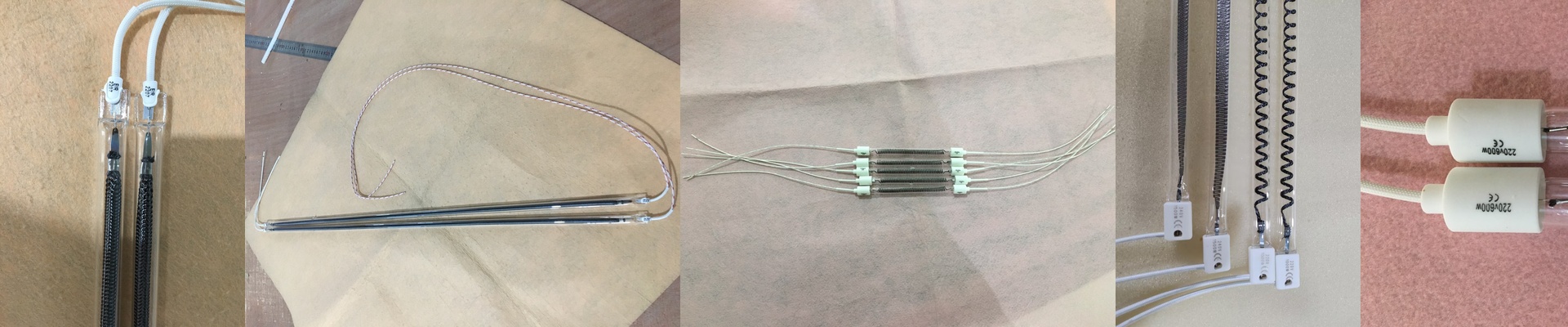
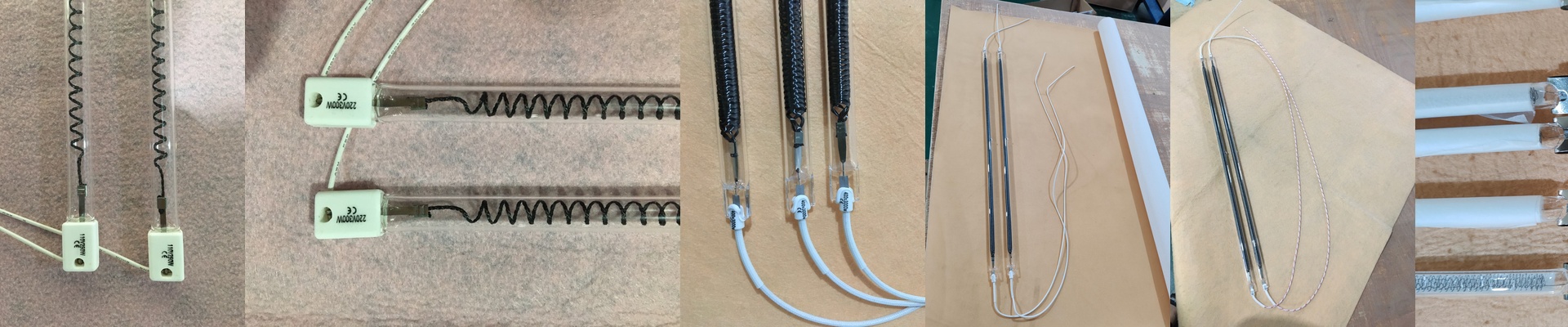
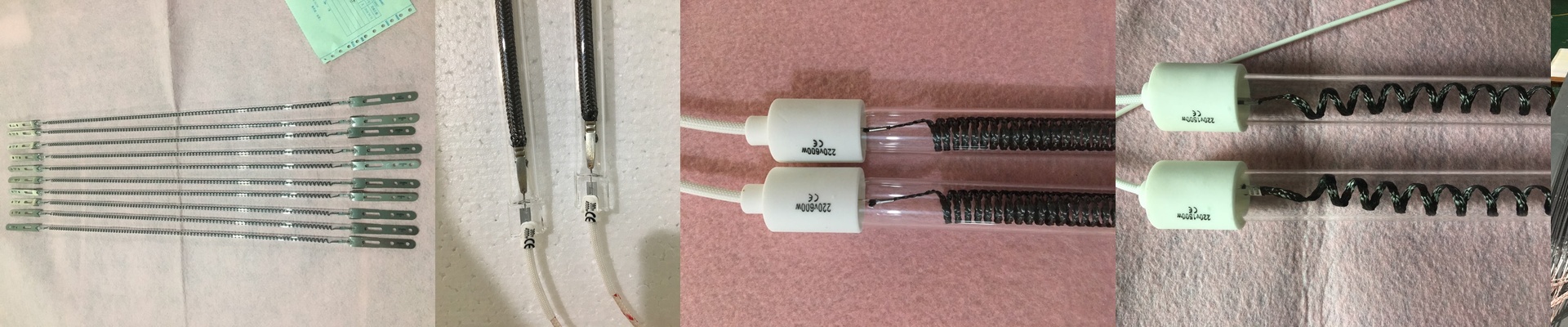
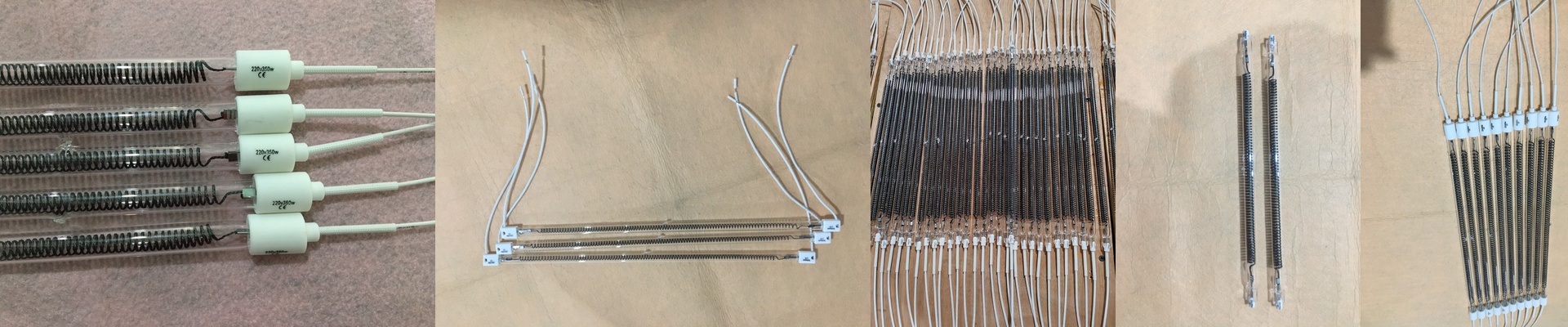
Getting to “zero fluctuation” isn’t magic; it’s about the hardware. Most standard lamps just can’t take the beating of a 24/7 cycle. They expand, they contract, and eventually, they snap. That’s why we use industrial-grade quartz tubes with filaments that actually stay stable. But here’s the thing: the lamps are only half the battle. This is where a lot of engineers get stuck—voltage stability. If your input voltage drifts by even 2%, your curing temperature shifts with it. To stop that, we use dedicated power controllers that smooth out those grid swings. We match the lamp’s wattage exactly to your conveyor speed so the output stays flat. Period.
Gear that actually lasts
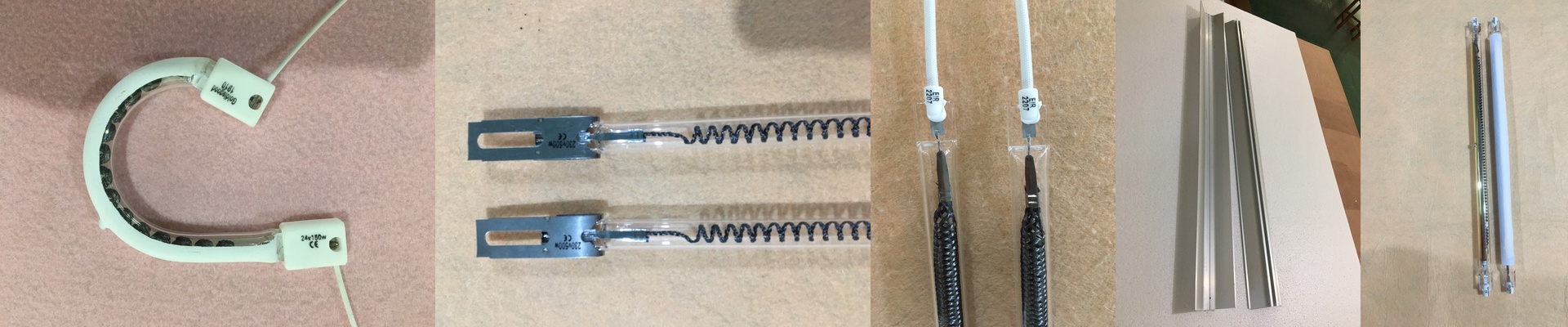
We go with shortwave IR emitters. Why? Because shortwave punches through the brake pad material much faster than longwave. This means you don’t need a massive, sprawling oven taking up half your floor space. And since friction plants are usually dusty and full of metallic bits, these tubes are built to take a beating. We also reinforced the connectors. You’ve probably seen those nasty arc-overs at the terminals—that’s usually just a loose connection causing heat buildup until the socket burns out. We fixed that. Plus, we rate all the wiring for the full current load with a 20% safety cushion, just to be safe.
The catch: Heat vs. Cooling
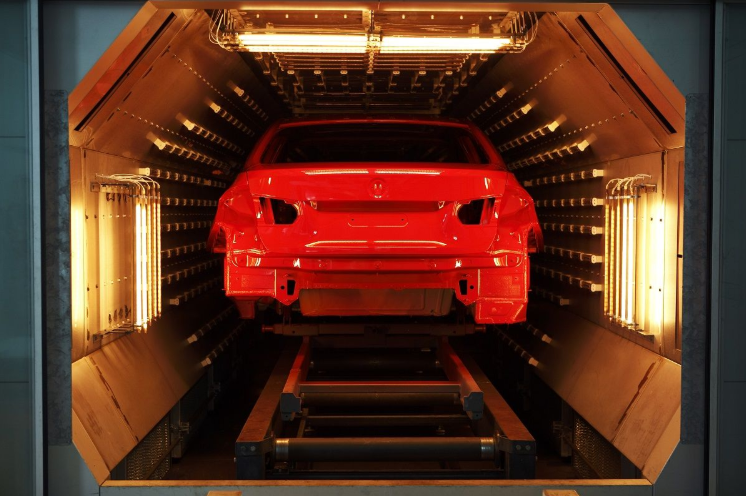
Now, these high-power modules put out a massive amount of heat. It’s great for getting pads out the door faster, but it’s a lot for an oven chassis to handle. You can’t just toss these into a standard box and hope for the best. If your cooling system isn’t up to the task, the ambient heat soak will actually warp your conveyor rails. The trick is balance. You need active ventilation to keep the electronics from frying while the pads get the heat they need.