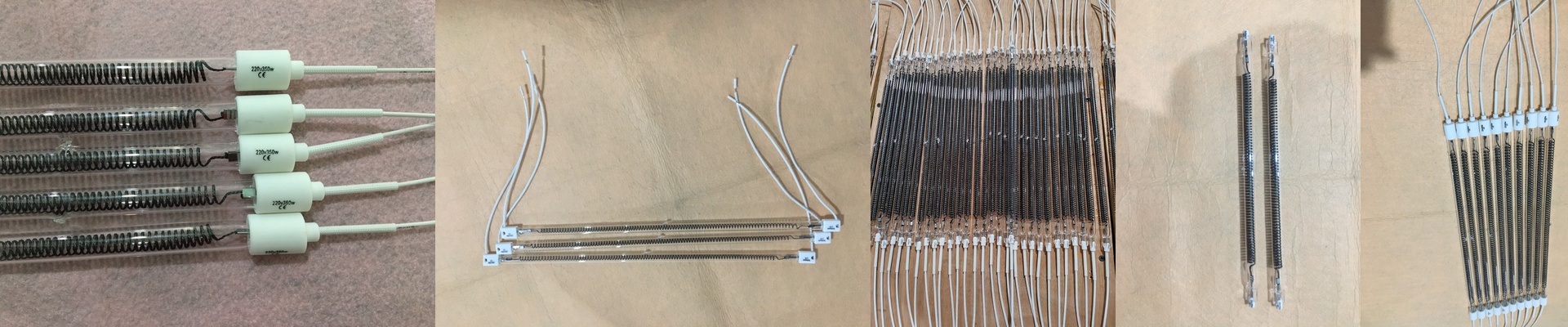
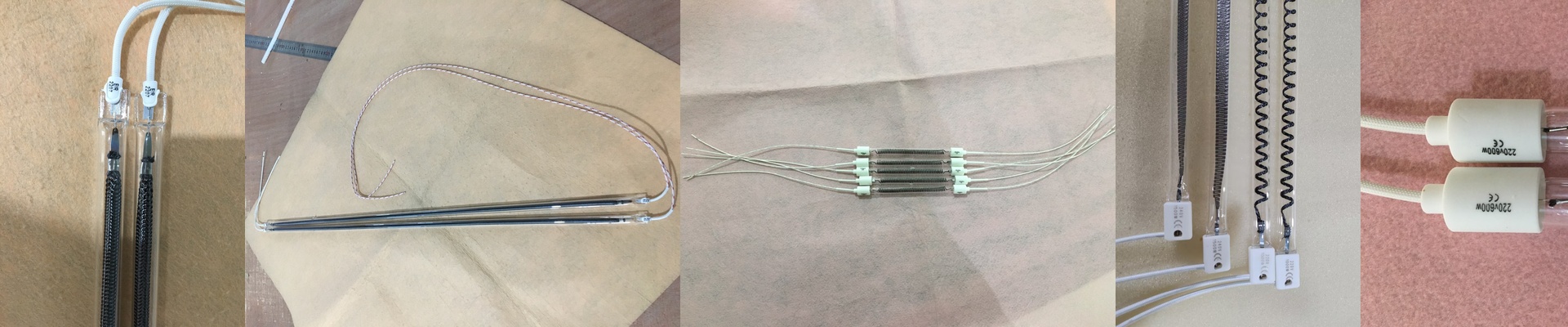
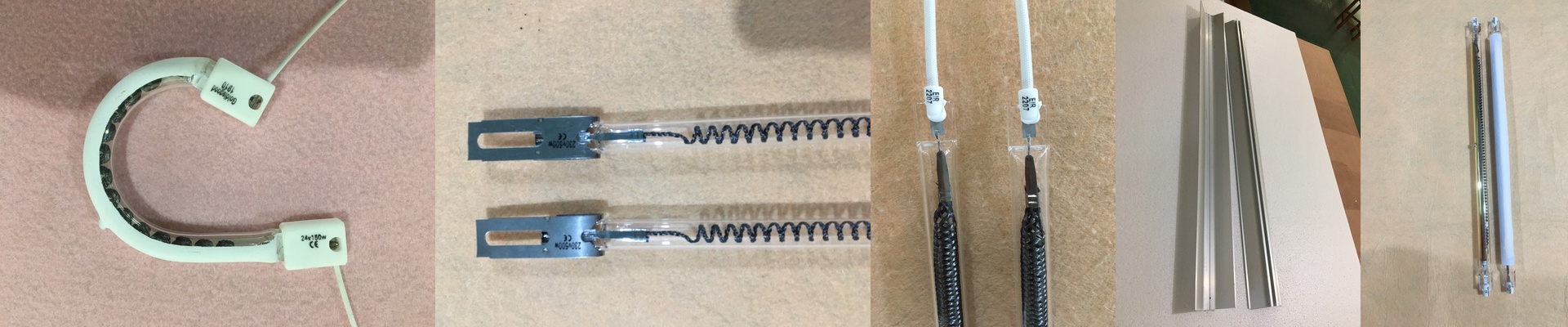
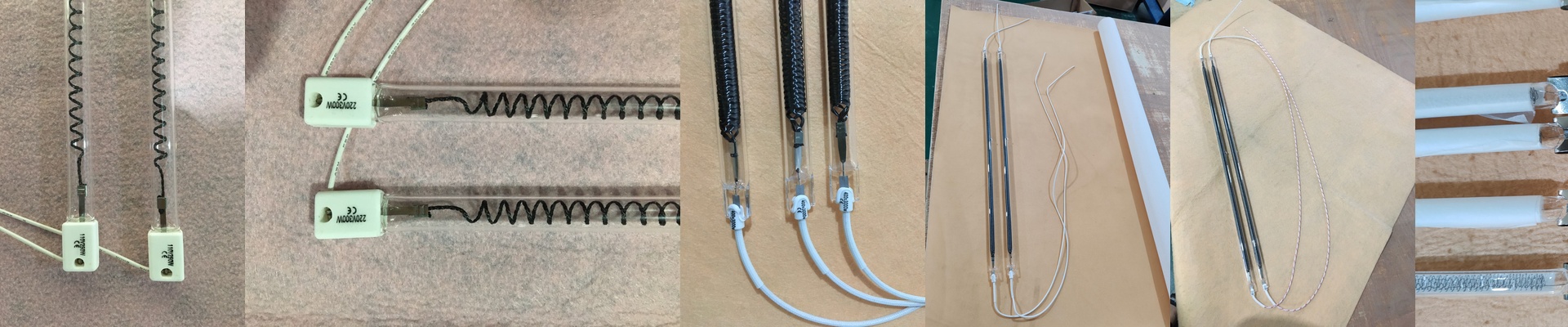
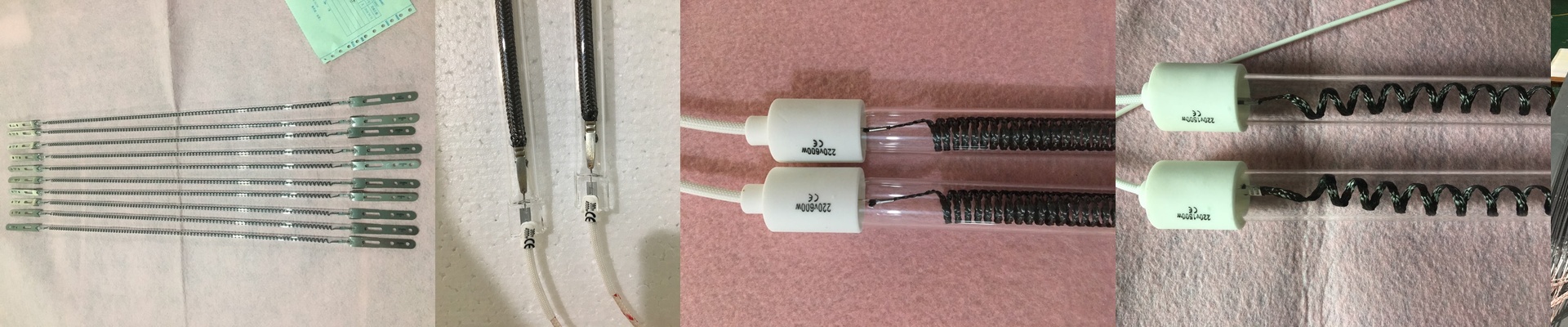
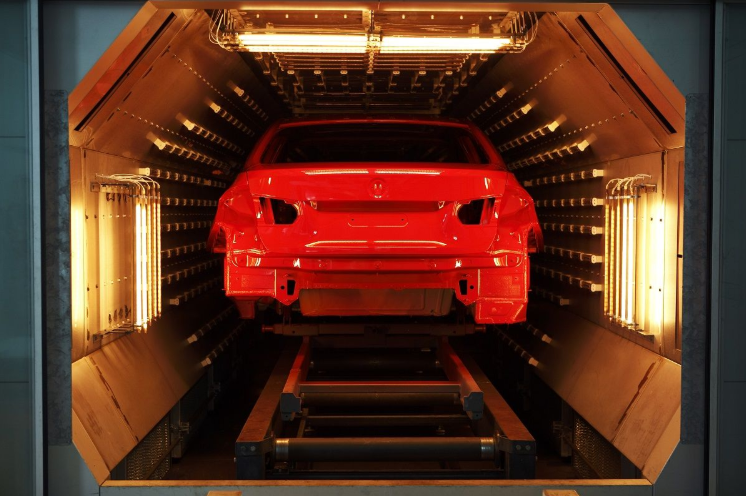
Ever wonder why some brake pads just won’t stop squealing? Most of the time, the problem starts way before the pads ever touch a car. It happens in the curing oven. See, standard convection ovens heat things from the outside in. If you’re dealing with thick pads, you often end up with a “cold core.” The outside is cooked, but the inside isn’t. That creates internal stress and weird density gaps. Once those pads hit the road, those imperfections turn into vibrations. And vibrations? That’s where your noise comes from. Here is a better way to do it. We use short-wave and medium-wave infrared (IR) emitters. Think of it like the sun hitting your skin—the heat doesn’t just sit on the surface; it sinks in. IR radiation goes straight into the friction material and gets the molecules moving deep inside the pad and on the surface at the same time. You get a uniform temp from the top all the way down to the backing plate. No density gaps, no stress, and way less noise. If you’re running a continuous line, we just tune the emitter arrays to match how fast your belt is moving. You need a lot of heat quickly to get those resins to lock together (cross-linking). We usually go with quartz-halogen tubes because they heat up in seconds. It beats wasting a ton of energy keeping a massive chamber idling. But there’s a catch. High-intensity IR packs a punch. If the belt moves too slowly, you’ll scorch the surface. It’s a balancing act between your wattage and your line speed. If you crank the power to save space in your factory, you’ll need to add a cooling zone right after the oven to lock everything in. At the end of the day, this just makes life easier on the shop floor. You’ll see way fewer scrapped parts and spend less time fixing noise complaints. I’d suggest wiring it up with a PID controller and a pyrometer. That lets you track the surface temp in real-time, so your cure stays perfect even if the factory gets freezing or boiling depending on the season.