Stop Fighting Part Warp in Your Interior Trim
If you’ve spent any time thermoforming automotive interiors, you know the frustration of “spring-back.” You pull a part out of the mold, it looks great for a second, and then—pop—it warps. It’s a nightmare. It usually happens because the part is fighting itself; internal stresses are trapped inside the material and they don’t get sorted out during curing. The fix? Zoned infrared (IR) curing lamps. Instead of treating the whole part like one big block, we break the heating area into independent zones. This lets you hit specific spots with exactly the amount of heat they need, and nothing more.
Why “Uniform Heating” is a Lie
Here’s the thing: in a complex car part, uniform heating doesn’t actually exist. The thick sections hold onto heat way longer than the thin edges. If you just blast the entire thing with one setting, you’re going to get uneven shrinkage. That’s where the warp comes from. By using zoned control, we can balance that heat. It forces the resin to cure at a steady pace across the whole footprint. It basically kills those internal stresses before the part even leaves the mold.
The Magic of Short-Wave IR
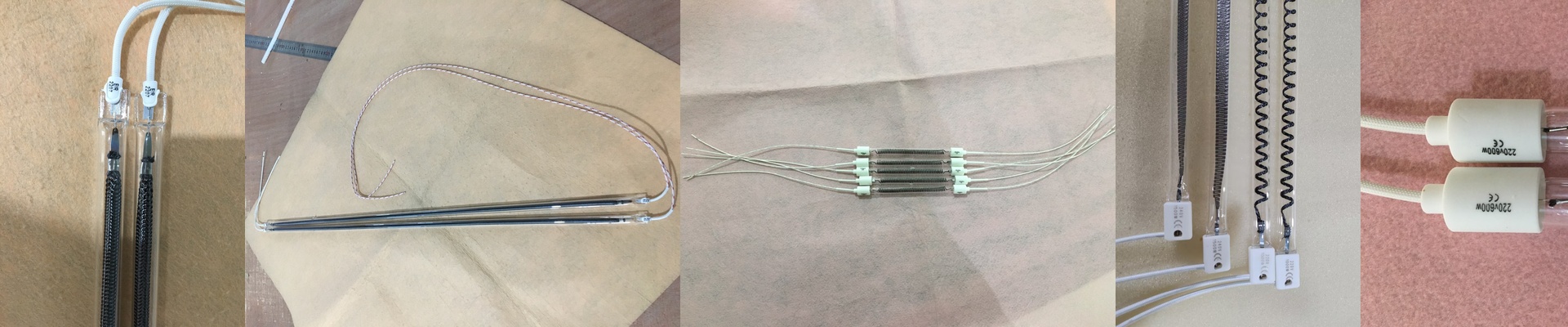
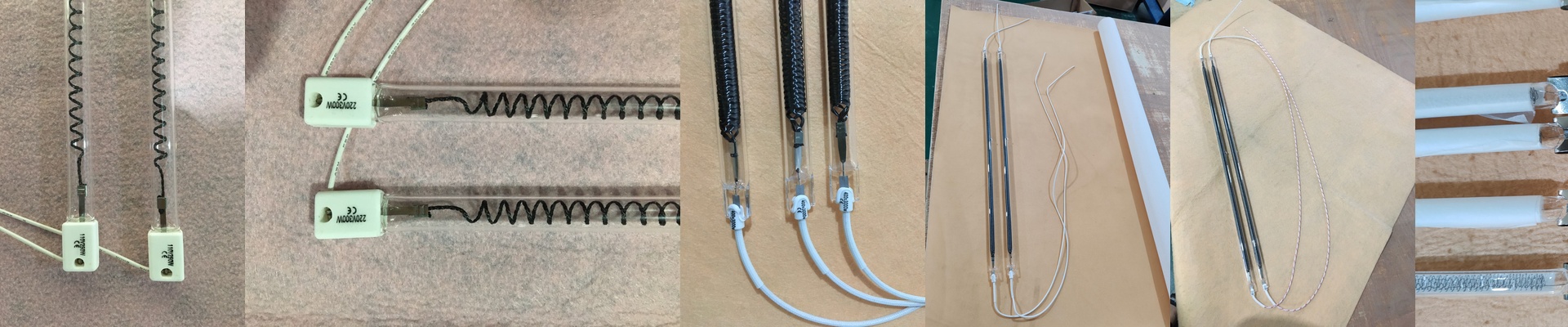
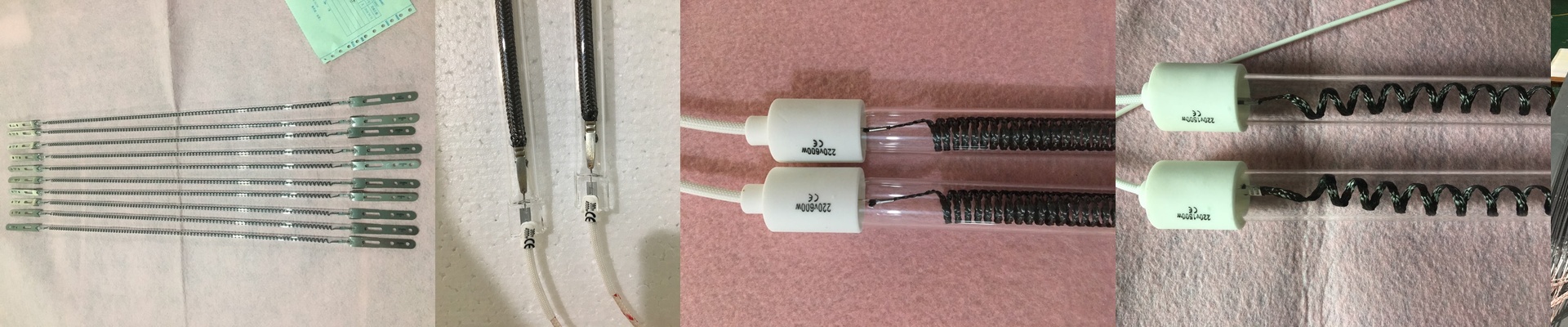
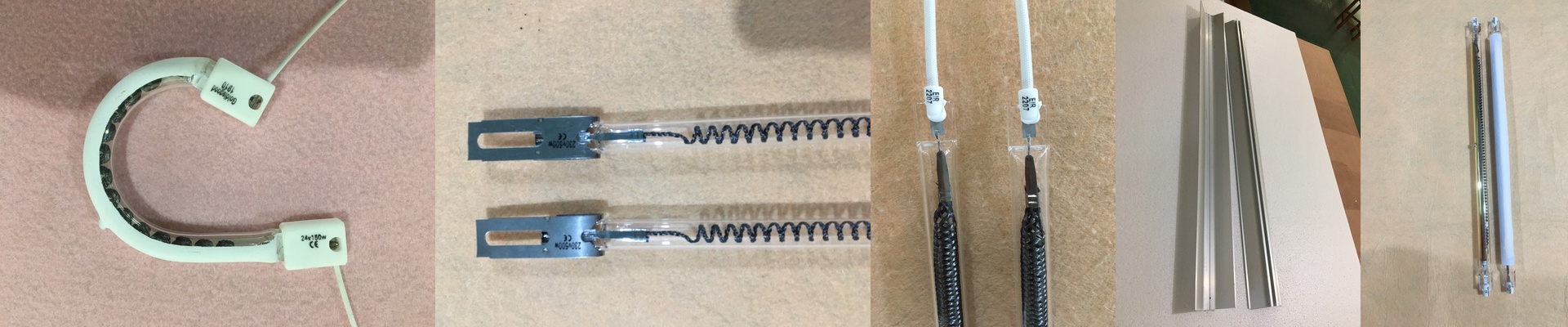
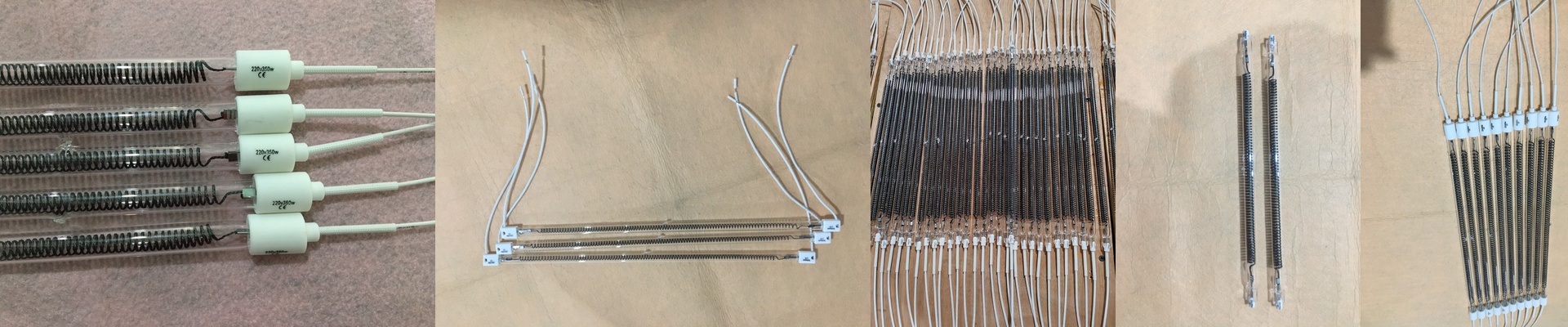
We stick with short-wave quartz lamps for this. Unlike those big convection ovens that just blow hot air around, short-wave radiation sinks deep into the resin, and it does it fast. The core of your part hits the curing temp without you accidentally frying the surface. It’s fast. Really fast. And that changes everything for your cycle times. But a word of caution: these lamps are powerful. If your conveyor slows down or a sensor glitches, you’ll scorch your material in a heartbeat. You also need to make sure your cooling system can handle the heat buildup in the tunnel, or you’ll end up burning out your lamps.
No More Guesswork
When you control the ramp-up and the soak time for each zone, the part actually stays the shape it’s supposed to be. You stop fighting the material. You stop praying that the tolerances hold. It takes a volatile chemical reaction and turns it into a predictable, repeatable process. It just works.