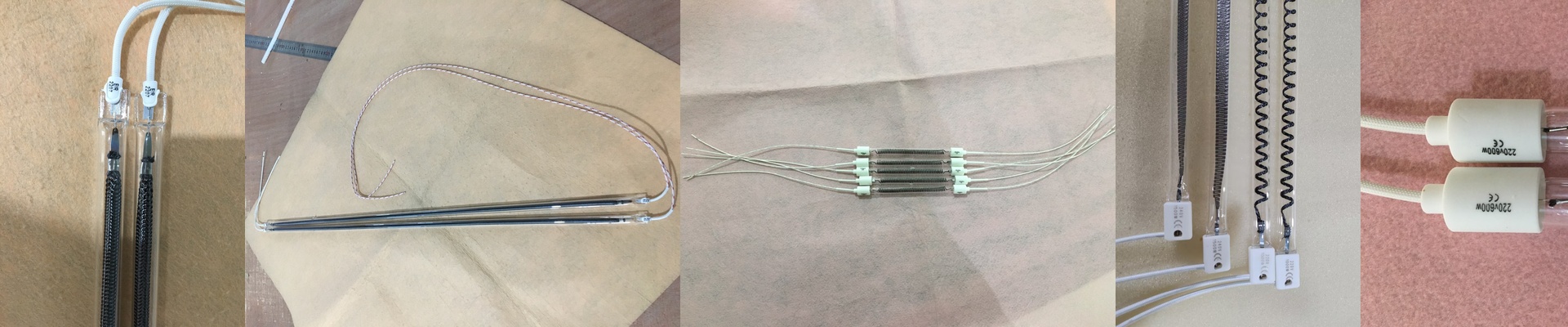
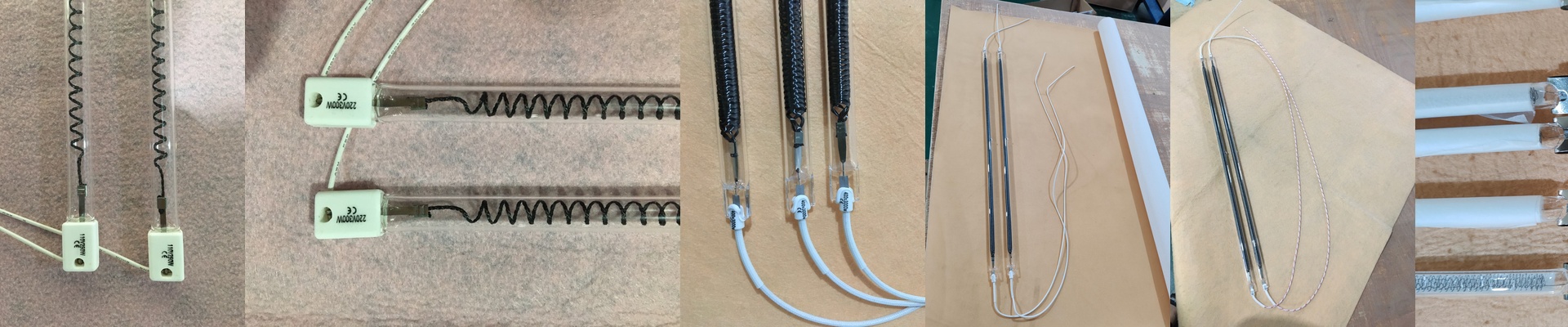
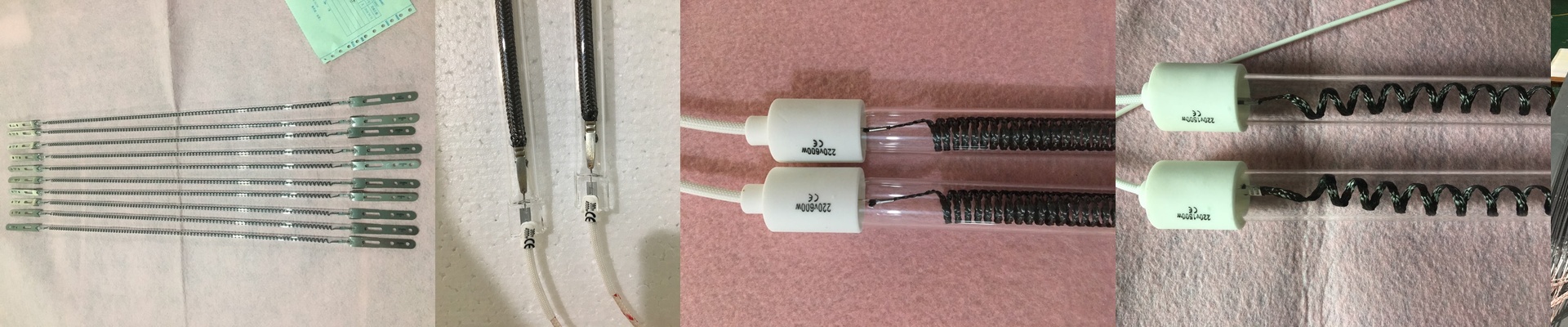
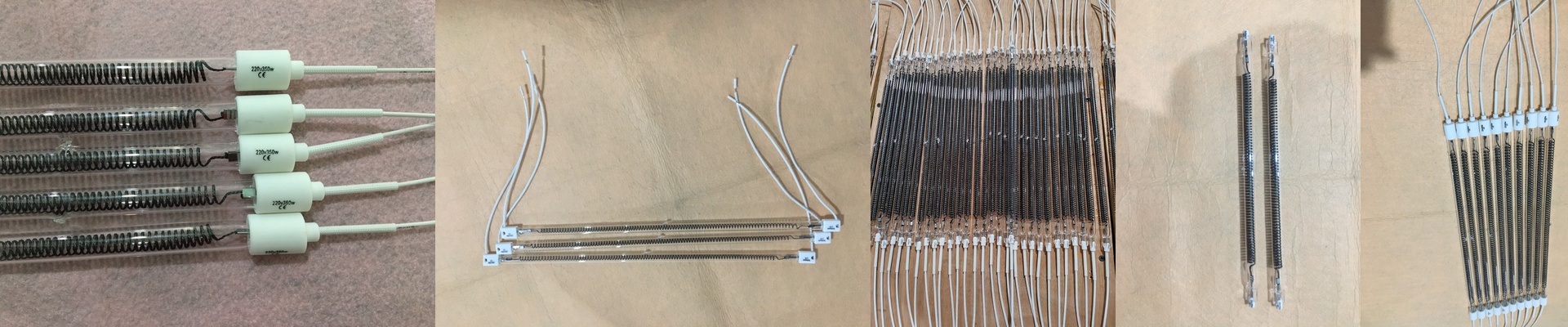
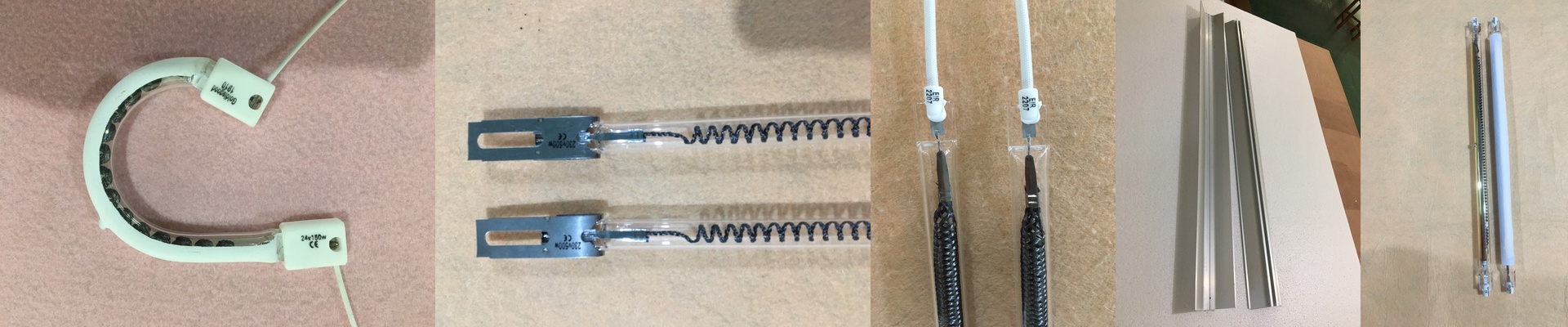
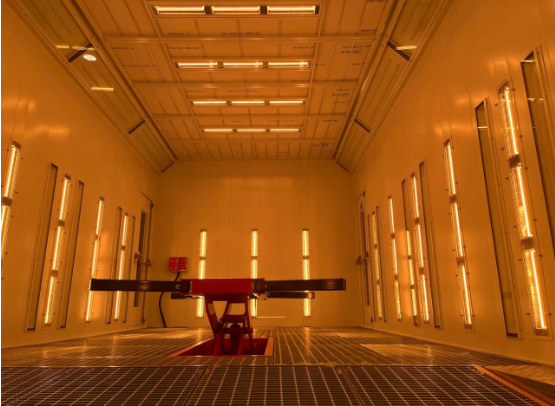
Ever wonder why some brakes just won’t stop squealing? A lot of the time, the problem actually starts way back in the curing oven. When your friction materials don’t cure evenly, you end up with internal stress and weird patches of resin density. That’s where the vibration comes from. That’s where the noise comes from. To fix it, we use shortwave infrared (IR) lamps to kill the problem before it even leaves the factory. Getting the heat where it matters Standard convection ovens are a bit slow. They heat the surface first and then hope the heat eventually crawls down to the core. It’s a slog. Shortwave IR is a different beast. It shoots radiation deep into the material, heating the resin across the whole cross-section all at once. You get a uniform cure from the very top right down to the backing plate. No guessing games. Finding the sweet spot We use high-wattage quartz halogen lamps for this. These tubes focus energy into a tight band that phenolic resins just soak up. By tweaking the wattage and the distance from the part, you can dial in exactly how much heat is hitting the material. But you have to be careful with your timing. If you push too much energy too fast, you’ll scorch the surface before the core even knows what’s happening. It’s a balancing act between getting parts out the door and keeping everything thermally stable. Keeping things running We designed these lamps to be swapped out quickly. We use standard R7s or SK15 connectors, so if a tube burns out, you just pull it and wire in a new one. You don’t have to tear down the whole heating bank. Just a heads-up: that quartz glass is tough against heat, but it’s fragile. Keep oil and fingerprints off the tubes. A simple smudge can create a hotspot, and that’s a fast track to a dead lamp. And please, don’t skimp on the ventilation. These IR arrays put out a massive amount of heat. If your cooling fans aren’t up to the task, you’ll end up cooking your own wiring and killing your lamp life.